

You Haven't Failed at Budgeting. The System Has.
Most budgets fail because they're built on the wrong assumptions, not because the person using them lacks discipline. This guide covers why that happens, what the Australian cost-of-living squeeze actually means for your money right now, and the honest order to fix things in.
Quick answer
Most budgets fail because they're built on the wrong assumptions, not from a lack of discipline. Decision fatigue and a vague goal do more damage than a missed coffee run ever could. The honest order to fix your finances is a small emergency fund first, then a clear picture of where your money goes, then high-interest debt, then saving habits that actually compound. Method matters far less than picking one and sticking with it for 90 days.
In this guide
- →Why most budgets fail, and why it usually isn't a willpower problem
- →What the Australian cost-of-living squeeze means for your money right now
- →The honest order to fix things: emergency fund, tracking, debt, then habits
- →How to pick a budgeting approach that actually fits how you live
- →The savings habits that move the needle, and the ones that are just theatre
- →How to know your system is actually working
🧠 Why Most Budgets Fail (and It's Not Your Fault)
Recent surveys put the number of Australians with less than $1,000 in savings somewhere between a third and just over 40%, one 2025 Finder survey found it as high as 9.2 million people. Separate research from Finder found that a large share of Australians say they don't have enough set aside for a genuine emergency, and that a meaningful proportion couldn't cover even a $1,000 unexpected bill without borrowing. Most of these people have tried budgeting. Some have tried it more than once.
The willpower myth
The standard story is that you just need more discipline. That story is wrong. Budgeting requires repeated decisions under stress, and decision fatigue is real: the more choices you're forced to make in a day, the worse your decision-making tends to get by evening. There's also psychological reactance at play. When a budget feels like a cage, your brain pushes back with small, rebellious spending. Willpower is a finite resource. A good system doesn't rely on it.
The "wrong method" trap
Jumping between budgeting methods keeps you in a permanent "starting over" loop. No method is objectively best. They're just frameworks, and the right one needs to fit your personality, your income pattern, and your actual life.
The missing piece
A budget without a specific goal attached is just a list of restrictions. "Save more money" is not a goal. "$8,000 by March for a car deposit" is a goal. Specificity is what makes the sacrifices actually feel worth it. Setting financial goals properly is worth doing before you touch a spreadsheet.
If budgeting has never stuck for you, the problem is far more likely to be a vague goal or a mismatched method than a lack of self-control.
🇦🇺 The Australian Cost-of-Living Reality Right Now
Between 2023 and 2025, Australian households got squeezed from multiple directions at once. National median weekly rent has pushed well past $650, and above $700 in some data sets, while grocery bills have climbed roughly 11% higher than a couple of years ago and energy costs have kept climbing too. Against all of that, the household saving ratio sat at just 3.8% in the December 2024 quarter, according to the Australian Bureau of Statistics.
🎯 The essential: If your budget keeps falling short, the problem isn't always your coffee habit. Sometimes the maths genuinely doesn't work because fixed costs have eaten a larger share of your income than they used to.
Focus ruthlessly on what's actually in your control, build a system that can hold up even in a tight environment, and stop comparing how saving feels now to how it felt five years ago. That comparison isn't fair to you.
🪜 The Honest Hierarchy: What to Fix First
Most personal finance advice throws everything at you at once: save more, invest, pay off debt, build an emergency fund, all starting today. In practice, doing all of it simultaneously is how people burn out and quit within a month. Here's the order that actually holds up.
$1,000 emergency fund
Track your spending
High-interest debt
Saving habits that compound
1. Emergency fund → 2. Track spending → 3. High-interest debt → 4. Saving habits
Step 1: Build a starter emergency fund (even $1,000)
Before aggressively paying down debt or investing, get $1,000 into a separate account. It covers most small emergencies, a car repair, a vet bill, the gap between jobs, and stops you reaching for a credit card the moment something goes wrong. Our emergency fund guide covers the full three to six month target once you're past this first milestone.
Step 2: Get a clear picture of where money is going
Aim for at least four weeks of honest tracking data before you set any targets. Guessing at your spending almost always underestimates it. Our how to budget guide covers the practical mechanics of actually doing this.
Step 3: Tackle high-interest debt
Australian credit card interest averages around 18.5%, and some cards run close to 21%. No savings account or investment reliably returns that. The debt snowball vs debt avalanche comparison breaks down the trade-offs, smallest balance first for momentum, or highest interest first for efficiency.
Step 4: Build saving habits that compound
Once high-interest debt is gone, redirect that cash flow to savings and investing outside super. Skipping straight to this step while carrying 18% debt is like filling a bucket with a hole in it. Two exceptions worth knowing: employer super matching is worth capturing even while paying down debt, because it's free money, and low-interest debt like HECS changes the calculus entirely.
🧭 Choosing a Budgeting Approach That Fits You
If you like structure, look at zero-based budgeting (every dollar assigned a job before the month starts) or the cash envelope method (physical cash per category, which works well for people who find digital spending too abstract to feel real).
If you want simple rules, the 50/30/20 rule (50% needs, 30% wants, 20% savings and debt) is imperfect in high-cost cities, but it's a reasonable starting framework.
If you hate tracking, try Pay Yourself First: transfer savings automatically on payday, live on the rest, no tracking or willpower required.
And if you want technology to do the heavy lifting, budgeting apps that connect to your bank accounts and auto-categorise spending can genuinely help. Our best budgeting apps comparison is worth checking before you pick one.
🎯 The essential: One honest note: the method matters far less than consistency. Run one approach for 90 days before you decide it isn't working and switch to another.
📈 The Savings Habits That Actually Move the Needle
Make saving the default rather than a decision, via automated transfers on payday. Use savings challenges, like the 52-week savings challenge or a no-spend challenge, as momentum tools rather than magic fixes.
Watch for lifestyle creep, the silent budget killer where every pay rise quietly gets absorbed into higher spending. Direct at least half of any raise to savings or debt before your spending has a chance to adjust around it.
Consider side income once your expenses are already lean. Realistic side hustle ideas can meaningfully change the maths without turning into a second full-time job.
📋 How to Budget: A Step-by-Step Guide That Actually Holds Up
The five-step process for building a budget that survives real life, and how to choose a method that fits how you actually spend.
📊 How to Know If It's Working
Monthly surplus is a useful short-term signal, but your net worth (what you own minus what you owe) is the real scoreboard. Tracking it every three to six months gives a far clearer picture than checking your bank balance every week.
Signs of genuine progress:
- Your emergency fund is growing, even slowly
- Your credit card balance is falling, not holding steady
- Your net worth is higher than it was six months ago
- You're not going further into debt to cover regular expenses
Revisit your budget whenever your income or major expenses change, or when it's stopped reflecting reality. A budget that no longer matches your life isn't a discipline problem either, it's just out of date.
You didn't fail at budgeting. You were handed a system built on willpower and no specific goal, and asked to make it work regardless. Fix the system first. The results follow.
SnowLetter
Australia's money news and our best reads, once a week.
❓ Frequently Asked Questions
How much should I save each month?
+
There's no universal answer, but 20% of after-tax income is a common starting point. Given current cost-of-living pressures, start with whatever you can sustain, even $50 a fortnight, and increase it over time as your situation allows.
What's the best budgeting method for Australians?
+
The one you'll actually still be using in three months. Zero-based budgeting suits detail-oriented people, the 50/30/20 rule suits simplicity, and Pay Yourself First suits people who hate tracking. Commit to one method for 90 days before you judge it or switch.
How much should I have in an emergency fund?
+
Three to six months of essential expenses is the standard target. If that number feels miles away right now, start with $1,000 as a first milestone. It covers most small shocks and buys you breathing room.
Should I pay off debt or save first?
+
Build a small emergency fund first (even $1,000), then focus on high-interest debt. Credit cards in Australia average somewhere around 18.5% interest, and some run over 20%, which costs more than almost any savings account or investment reliably returns. Low-interest debt like HECS is a different calculation and doesn't need the same urgency.
Why do I keep failing at budgeting?
+
It's probably not a willpower problem. The usual causes are a goal that's too vague to feel worth the sacrifice, a method that doesn't fit your personality, a budget too restrictive to actually sustain, or irregular expenses that were never accounted for in the first place.
How do I budget when my income is irregular?
+
Base your budget on your lowest realistic monthly income, not your average. In the good months, direct the surplus straight to your emergency fund or debt repayment rather than letting it quietly get absorbed into spending.
📚 Recommended reading
The Barefoot Investor
Scott Pape

The Barefoot Investor
Australia's best-selling money book ever. A simple system for accounts, budgeting, debt and a real emergency fund in one.
The Total Money Makeover
Dave Ramsey
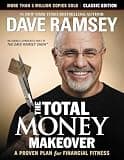
The Total Money Makeover
A no-nonsense, step-by-step plan for smashing debt with the snowball method and building a real emergency fund. The tough-love budgeting works anywhere, just use the ATO and super instead of his US tax tips.
Ditch the Debt and Get Rich
Effie Zahos
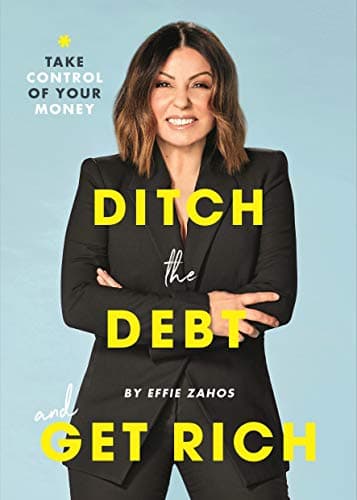
Ditch the Debt and Get Rich
One of Australia's most trusted money journalists shows you how to crush debt and build real wealth without giving up your flat white. Clear, doable steps you can start this week.
Some links above are affiliate links. If you buy through them, Snowball Invest may earn a small commission at no extra cost to you. We only recommend books we'd suggest anyway.
Sources
- 1. Breaking point: 9.2 million Aussies have less than $1,000 in savings, Finder
- 2. Rainy day denial: Aussies have insufficient emergency savings, Finder
- 3. Australian National Accounts (household saving ratio), Australian Bureau of Statistics
- 4. Australia's grocery bill, what the data actually shows, Fenro
- 5. What is the average rent in Australia, Mozo
- 6. What is the average credit card interest rate, Canstar
Was this article useful?
Related calculators
Articles in this guide

Cheapest Supermarket in Australia: Aldi vs Coles vs Woolworths
Which is the cheapest supermarket in Australia? Aldi, Coles, Woolworths, IGA and Costco compared on CHOICE basket data, plus how to shave your grocery bill.

Cashback Apps Australia: How They Work and What You'll Earn
A plain-English guide to cashback apps in Australia: how the retailer-pays model works, which platforms still run in 2026, and what you will actually earn.

25 Money Saving Tips Australia: A Practical Guide
25 practical money saving tips for Australians: cut grocery bills, compare energy plans, ditch bank fees and audit subscriptions without a lifestyle change.

Best Spending Tracker App Australia: A Plain-English Guide
Compare the best spending tracker apps in Australia: Up Bank, Frollo, WeMoney, PocketSmith and free options, plus how the Consumer Data Right keeps data safe.

How to Budget on an Irregular Income in Australia
Freelancer, casual or gig worker? Learn how to budget on an irregular income in Australia with a buffer account and set-asides for tax, GST and super.

How to Save Money as a Student in Australia
A practical guide to saving money as a student in Australia: Youth Allowance, concession cards, cheap food, textbook hacks, fee-free banking and housing tips.

How to Track Your Spending in Australia (And Stick With It)
Learn how to track your spending in Australia with a simple four-step method, easy categories and habit tips that actually stick past the two-week mark.

Children's Savings Account Australia: What Parents Need to Know
Everything Australian parents need on children's savings accounts: how bonus rates work, the $416 tax threshold, and how to use one to teach kids about money.

Living Paycheck to Paycheck in Australia: Break the Cycle
Half of Australian workers live paycheck to paycheck. Here is why it happens, the honest signs you are stuck, and five practical steps to build a real buffer.

How to Lower Your Bills in Australia (Without the Hassle)
A no-fluff guide to lowering your bills in Australia. Save $1,000+ a year on energy, internet, insurance, mortgage and subscriptions, with a phone script.

How to Save for a Wedding in Australia
The average Australian wedding costs $35,315. Here is how to set a realistic savings target, build a sinking fund, split it fairly, and avoid debt.

How Much Should You Spend on Food Per Week in Australia?
How much should you spend on food per week in Australia? See 2026 benchmarks for singles, couples and families, plus easy ways to cut your grocery bill.
ATM Withdrawal Limits in Australia
Confused about ATM withdrawal limits in Australia? What the ATM lets out, what your bank allows daily, and how to get more cash when you need it.

How to Make a Budget in Excel (Step by Step)
Build a simple monthly budget in Excel or Google Sheets from scratch. A step-by-step guide with the key formulas, a worked example, and tips.

What Is a Cash Budget?
A cash budget is a simple plan for your money in and out. How to build one, an example, and how to actually stick to it. Not financial advice.
How to Save for a Holiday in Australia
Want a holiday but not sure how to save for it? A practical guide to budgeting the trip, saving faster, and spending smarter. Not financial advice.

How Much Should You Have Saved by Age?
Anxious you are behind on savings? Rough Australian benchmarks by age, plus what actually matters more than a number. Not financial advice.

How to Save for a House Deposit in Australia
Saving a house deposit in Australia feels impossible, but it does not have to be. A practical, step-by-step guide to get there faster.

How to Save Money Fast on a Low Income in Australia
Saving on a low income is hard. Here's what actually works: government help you might be missing, quick wins, and a realistic plan for 2024-25.
Clever Ways to Save Money in Australia (That Actually Work)
Clever ways to save money in Australia right now: banking, groceries, fuel, subscriptions and mindset shifts that add up to thousands per year.

Budget Planner Template: The Complete Australian Guide
Use a budget planner template to take control of your money. Includes a 50/30/20 worked example, a step-by-step guide, and free Australian tools.
The 52-Week Savings Challenge: Save $5k, $10k or $20k in a Year
A structured savings challenge where your weekly deposit grows each week. How to scale it to save $5k, $10k or $20k in a year.

The Christmas Savings Plan: How to Actually Afford December Without the January Debt Hangover
Build a Christmas savings plan Australia that actually works. Real numbers, bank accounts, and practical steps to enjoy December without a January debt hangover.

Debt Snowball Method vs Debt Avalanche: Which One Actually Gets You Debt-Free Faster?
Debt snowball vs debt avalanche compared with a worked example using real Australian debts, total interest paid, and honest guidance on which suits you.
Best Budgeting Apps in Australia (2026 Update)
Open banking has matured, AI categorisation is now table stakes, and some apps you may remember are gone. Here's what the Australian budgeting app landscape actually looks like in 2026.
Your Net Worth Is the Score That Actually Matters
What net worth actually means, how to calculate yours, what counts as an asset vs a liability, and why it beats income as a measure of financial progress.

Passive Income Australia: The Honest, Boring-but-True Guide
The four real passive income streams for Australians: dividends and franking credits, savings interest, REITs and rental income.

Buy Now Pay Later Australia: The Real Cost Before You Tap
How BNPL actually works, the fee caps under the 2025 regulation, what changed on your credit file, and how it compares to a credit card.
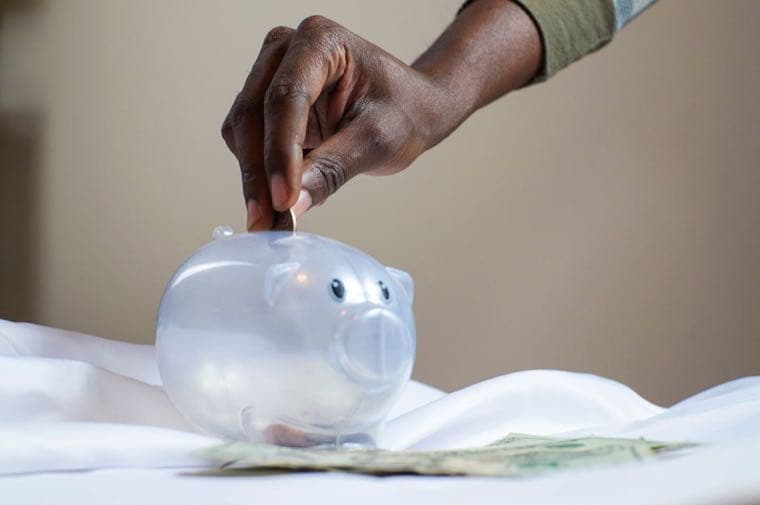
How to Save Money on Groceries in Australia
The habits that actually cut a grocery bill: reading unit prices properly, home brand vs name brand, and the specific swaps that add up over a year.
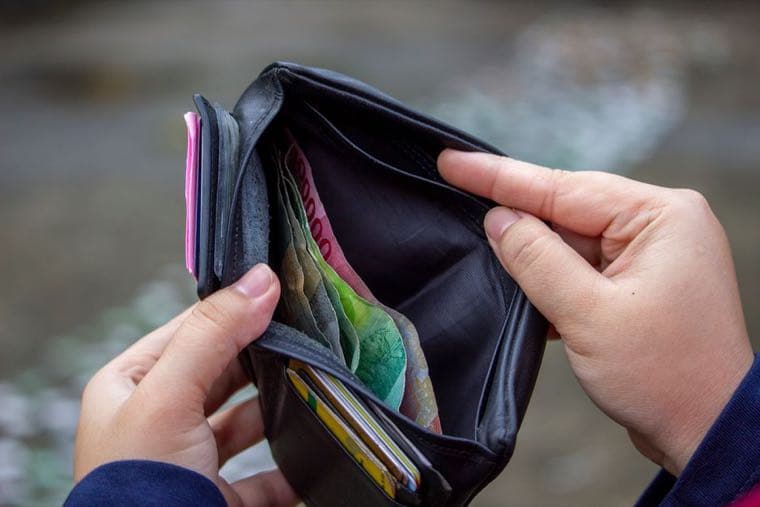
The No-Spend Challenge: How It Works and Whether It's Worth Trying
How to set up a no-spend challenge that actually survives a real month, what it genuinely teaches you, and the common ways these challenges fall apart.

The Cash Envelope Method (and "Cash Stuffing"): Does It Still Work?
How the cash envelope method and its viral "cash stuffing" revival actually work, the real pros and cons, and who genuinely benefits from using physical cash.

Zero-Based Budgeting Explained: Does Every Dollar Need a Job?
How zero-based budgeting actually works, a step-by-step guide to doing it, the real pros and cons, and who it genuinely suits versus simpler methods.
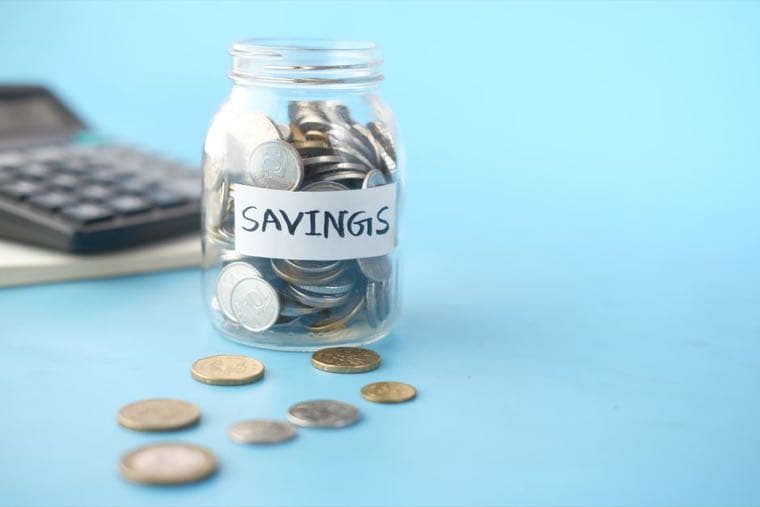
How Much Should You Have in an Emergency Fund?
How to size an emergency fund to your actual situation, the difference between an emergency fund and a rainy day fund, and where the money should actually sit.

Best High-Interest Savings Accounts in Australia (2026)
Not all high-interest savings accounts are created equal. This guide cuts through the headline rates to help you find the right account for your actual savings goal.
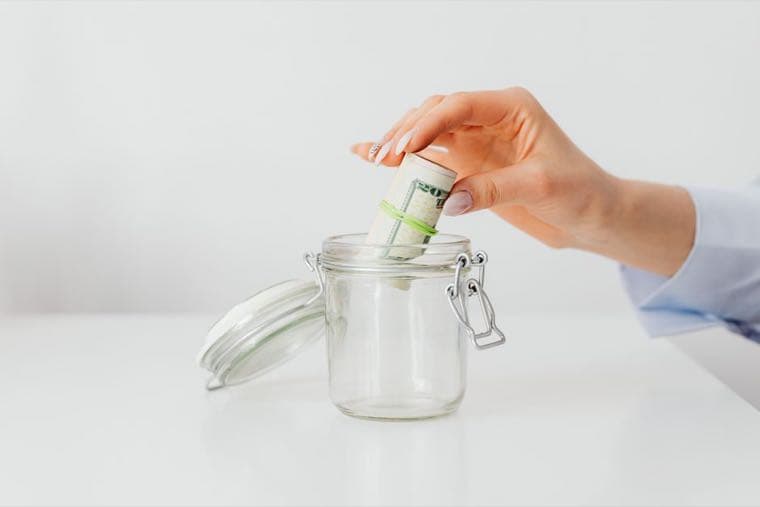
Subscription Creep: How to Find and Cut the Subscriptions You Forgot About
Subscription creep costs the average Australian over $1,600 a year. Here's a practical, step-by-step guide to finding forgotten subscriptions, using your banking app, and taking back control of your spending.

The 50/30/20 Rule Explained (and Whether It Actually Works)
How the 50/30/20 budgeting rule works, where it comes from, a worked example, and when the ratios genuinely need adjusting rather than forcing.
How to Save Money in Australia: What Actually Works
The savings tips that actually move the needle: cutting recurring bills, automating what's left, and why a small recurring saving beats a big one-off cut.
How to Set Financial Goals You'll Actually Achieve
Why most financial goals don't survive the year (real ASIC data), the SMART framework's origin, and how to turn any goal into a monthly number.
Frugal Living: What It Actually Means (and What It Doesn't)
The real difference between frugal and cheap, why loud budgeting and underconsumption core brought frugality back into fashion, and how it connects to FIRE.
Side Hustle Ideas That Actually Work in Australia (Plus the Tax Rules)
Real Australian side hustle statistics, the common categories, and the tax question most lists skip entirely: hobby vs business, ABNs, and the GST threshold.

Lifestyle Creep: What It Is and How to Actually Stop It
Why spending quietly rises to match income, the hedonic adaptation psychology behind it, real Australian statistics, and the one habit that actually stops it.

How to Budget: A Step-by-Step Guide That Actually Holds Up
The five-step process for building a budget that survives real life, why most budgets fail, and how to choose a method that actually fits how you spend.

How to Build a Family Budget That Actually Survives Contact With Kids
How to build a family budget with sinking funds for lumpy school costs and a couple's money routine that actually holds.
How to Budget for a Wedding in Australia (Without Going Into Debt)
The average Australian wedding costs $38,252 and couples typically overspend. How to set a budget, build a savings timeline, and avoid financing it with debt.
Sinking Funds: The Simple System for Irregular Expenses
Stop irregular expenses wrecking your budget. Learn how sinking funds Australia work, with real Aussie costs, a worked example, and the best bank accounts to use.

How to Stop Impulse Buying (and Actually Stick to It)
Learn how to stop impulse buying in Australia with practical systems that actually work. Real stats, psychology, and 7 habits to protect your savings.

How to Save for a Car in Australia (Step-by-Step Guide)
Learn exactly how to save for a car in Australia, set a realistic target, avoid hidden on-road costs, and build a plan that actually works. Beginner-friendly guide.