
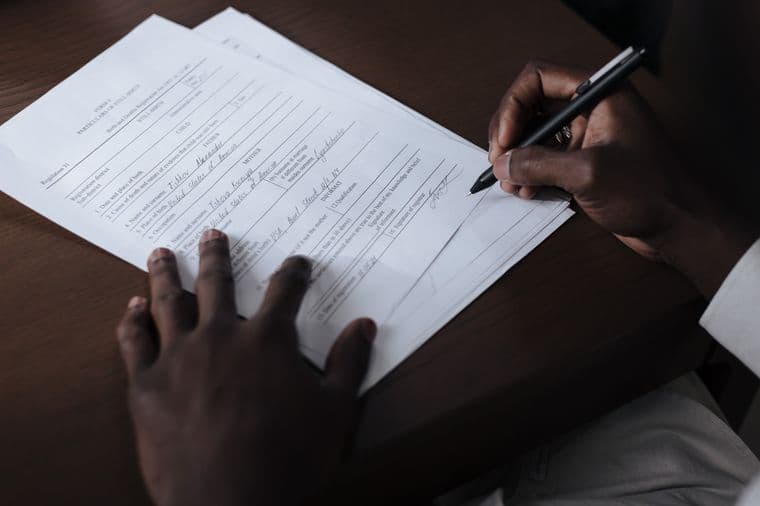
Living Paycheck to Paycheck in Australia: Break the Cycle
Half of Australian workers live paycheck to paycheck. Here is why it happens, the honest signs you are stuck, and five practical steps to build a real buffer.
 By Timothy Hirou GaschereauPublished
 10 min read
If your bank account is nearly empty the day before pay arrives, you are not alone. About 50% of Australian workers are living paycheck to paycheck right now, according to ADP Research's People at Work 2025 report. The good news is that this is fixable, not overnight and not with a single trick, but with a handful of practical moves done in the right order. This is part of our wider guide to saving and budgeting on Snowball Invest.
Quick answer
About half of Australian workers are living paycheck to paycheck, and it happens on high incomes too: more than one in three six-figure earners still run out of money before payday. The fastest first move is building a small cash buffer of around $500 so one unexpected bill stops derailing everything. Free, confidential help is available now via the National Debt Helpline: 1800 007 007.
In this guide
- →Why the cycle catches so many Australians, including high earners
- →Honest signs you are living pay to pay
- →Five concrete steps, in the order that actually works
- →What to do when the problem is income, not spending
- →Where to get free, confidential financial help
🌀 Why so many are stuck
🎯 The essential: The cycle is about the gap between income and outgoings, not the size of the income.
The cost-of-living squeeze is real. A 2024 Finder survey found 76% of workers said high living costs were hurting their ability to cover expenses, with grocery bills, rent or mortgage, petrol and energy the top stressors. These are not optional categories. The common threads:
- Cost-of-living pressures. Rents, groceries and energy have risen sharply. These are structural pressures, not personal failures.
- Lifestyle creep. When a pay rise arrives, spending expands to match it, so the gap stays the same or shrinks.
- No buffer. Without a few hundred dollars set aside, a flat tyre or vet bill triggers overdraft fees or credit card debt.
- Timing mismatches. A quarterly bill landing two weeks before payday can blow a hole in an otherwise manageable budget.
- Debt repayments come off the top every pay, from card minimums to buy-now-pay-later.
🔎 Honest signs you're in the cycle
Be honest here. Recognising the signs is the first step:
- Your balance is consistently near zero before pay arrives.
- You have no savings, or under $500.
- An unexpected $300 bill would cause genuine panic.
- You rely on a credit card or BNPL for regular expenses, not just big purchases.
- You are paying only the minimum on at least one debt.
- You feel relief on payday, then anxiety as the money disappears.
- You have borrowed from friends or family for everyday costs in the past year.
If three or more sound familiar, you are in the cycle. That is okay, and it is where most of the practical work happens.
🪜 5 steps to break the cycle
Step 1: build a tiny starter buffer. Get $500 in a separate account. Not $5,000, just $500. It is enough to absorb most small emergencies without a credit card. Find it fast by selling something, asking for a pay advance, pausing a subscription, or parking your next tax refund before spending any of it.
Step 2: track where the money actually goes. Spend one week writing down every transaction. Use a free app or a notes app. The goal is not to judge yourself, it is to see the real numbers, and you will almost certainly find a surprise. See our guide on how to track your spending.
Step 3: attack one big fixed cost, not lots of small ones. Cutting coffee does not fix a budget that is $600 short. The leverage is in rent, insurance, subscriptions and phone and internet plans. Renegotiating rent, re-shopping insurance or switching to a smaller telco can each save hundreds. Pick one big thing and fix it this month.
Step 4: automate savings on payday. Set up an automatic transfer for the day your pay lands. Even $20 a week is $1,040 a year. The amount matters less than the habit: if the money moves before you see it, you do not spend it.
Step 5: grow that buffer into a real emergency fund. The target is three months of essential expenses in a separate, high-interest account. That can feel overwhelming, so ignore the total and just keep the transfer running. See our emergency fund guide for the details.
If debt repayments are the thing eating each pay, the order you tackle them in matters. Our guide to the debt snowball vs avalanche walks through both approaches.
🧮 Budget Calculator
Map your income against your real spending and find the one big cost worth attacking first.
🧭 When it's income, not spending
Sometimes the budget does not balance no matter how carefully you track it. If your income genuinely does not cover essential costs, that is an income problem, not a spending problem, and it needs a different response.
Government support worth checking: energy rebates and concessions if you hold a Pensioner Concession Card, Health Care Card or Low Income Health Care Card; Centrelink payments like JobSeeker and Rent Assistance through Services Australia; and concession cards that unlock discounts on medicines, utilities and transport. Many eligible Australians have not applied.
Free financial help: the National Debt Helpline (phone 1800 007 007, weekdays 9:30am to 4:30pm; live chat weekdays 9:00am to 8:00pm) connects you with a qualified financial counsellor at no cost. They are not salespeople, they do not sell products, and everything is confidential. If you are feeling overwhelmed, calling that number is a genuinely good use of 30 minutes.
SnowLetter
Australia's money news and our best reads, once a week.
❓ Frequently asked questions
Is living paycheck to paycheck normal in Australia?
+
Yes, it is very common. ADP Research's 2025 report found 50% of Australian workers are living paycheck to paycheck despite record employment, and a separate Finder survey put the figure at over half of all Australians. It is not a personal failing, it reflects genuine pressure from high rents, rising grocery costs and stagnant real wages.
Can you live paycheck to paycheck on a good salary?
+
Absolutely. Finder's data shows more than one in three Australians earning over $100,000 a year still run out of money before payday. Lifestyle creep, large mortgage repayments and high fixed costs can absorb almost any income. The cycle is about the gap between income and outgoings, not the income figure itself.
How much should I have in savings as a buffer?
+
Start with $500. That is enough to handle most small emergencies without a credit card. From there, build toward one month of essential expenses, then three. Moneysmart recommends three months as a solid emergency fund target, which is roughly $10,500 for someone spending $3,500 a month on essentials.
What is the fastest way to stop living paycheck to paycheck?
+
Build a $500 cash buffer as quickly as possible, then set up an automatic savings transfer for the day after payday. Cutting one large fixed cost in the same month creates meaningful breathing room, and tracking your spending for one week usually reveals an easy win or two.
Where can I get free financial help in Australia?
+
The National Debt Helpline (1800 007 007) offers free, confidential advice from qualified financial counsellors, weekdays 9:30am to 4:30pm by phone and 9:00am to 8:00pm via live chat. Moneysmart has free calculators and a budget planner, and Services Australia can help you check eligibility for payments and concession cards.
📚 Recommended reading
The Barefoot Investor
Scott Pape

The Barefoot Investor
Australia's best-selling money book ever. A simple system for accounts, budgeting, debt and a real emergency fund in one.
The Richest Man in Babylon
George S. Clason
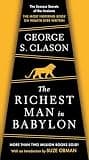
The Richest Man in Babylon
The original pay-yourself-first playbook, dressed up as ancient Babylonian parables. Almost a century old and the advice still lands.
Your Money or Your Life
Vicki Robin
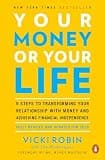
Your Money or Your Life
The book that basically kicked off the FIRE movement, reframing money as 'life energy' you trade your hours for. The nine-step program is pure gold, just swap the US retirement-account chapter for super.
Some links above are affiliate links. If you buy through them, Snowball Invest may earn a small commission at no extra cost to you. We only recommend books we'd suggest anyway.
Sources
Was this article useful?
Put it to your own numbers
Every calculator runs entirely in your browser, with nothing stored. See what these numbers look like for your own situation.
Explore the calculators →General information only. This article is educational and does not constitute personal financial advice. It does not account for your circumstances. Consider your own situation and seek advice from a licensed adviser before acting. Read our full disclaimer.

Timothy Hirou Gaschereau
Founder of Snowball Invest, not a financial adviser.
I write about what I'm learning myself, because nobody ever taught us how to take control of our own money. It's a skill, not a mystery, and it's never too late to learn it. The best day to start was yesterday, the second best is today.
LinkedIn →Related articles

25 Money Saving Tips Australia: A Practical Guide
25 practical money saving tips for Australians: cut grocery bills, compare energy plans, ditch bank fees and audit subscriptions without a lifestyle change.

How Much Should You Spend on Food Per Week in Australia?
How much should you spend on food per week in Australia? See 2026 benchmarks for singles, couples and families, plus easy ways to cut your grocery bill.

Average Cost of an Engagement Ring in Australia (2025 Price Guide)
The average engagement ring cost in Australia is $5,854. Real price tiers, natural vs lab-grown diamonds, and the moves that get you more ring for your money.