
Average Cost of an Engagement Ring in Australia (2025 Price Guide)
The average engagement ring cost in Australia is $5,854. Real price tiers, natural vs lab-grown diamonds, and the moves that get you more ring for your money.
 By Timothy Hirou GaschereauPublished
 9 min read
The average engagement ring cost in Australia sits at $5,854 right now, according to the Easy Weddings 2025 Australian Wedding Report. But averages can be misleading, so this guide is all about the numbers: what things actually cost, what drives the price, and how to stretch your budget further. It is part of our wider guide to money and relationships on Snowball Invest. For help deciding how much to spend, see our companion guide on how much to spend on an engagement ring. All prices are approximate and in Australian dollars, and vary by jeweller and specification.
Quick answer
The average cost of an engagement ring in Australia is $5,854 in 2025, according to the Easy Weddings 2025 Australian Wedding Report and Jewellery World industry data. Most couples spend somewhere between $5,000 and $15,000, but perfectly beautiful rings exist well below and above that band, and the median sits closer to $4,000. Lab-grown diamonds and alternative stones like moissanite can deliver a stunning ring for a fraction of the natural-diamond price.
In this guide
- →What Australians actually spend, by tier and by city
- →The 4 Cs and exactly what each one does to the price
- →Natural vs lab-grown diamonds, and the 70 to 90% saving
- →Moissanite, sapphire and morganite alternatives
- →The moves that genuinely get you more ring for your money
💍 What Australians actually spend
The national average is around $5,000 to $6,000, with the most commonly cited 2025 figure being $5,854. The median sits closer to $4,000, meaning roughly half of all buyers spend less than that. Here is how the market breaks down by tier.
| Tier | Price range | What you typically get |
|---|---|---|
| Budget | $500 to $2,000 | Moissanite or lab-grown solitaire, silver or 9ct gold, simple setting |
| Mid-range | $2,000 to $6,000 | 0.5 to 1ct lab-grown or smaller natural diamond, 18ct or white gold |
| Premium | $6,000 to $15,000 | 1ct+ natural diamond, 18ct gold or platinum, custom setting |
| Luxury | $15,000+ | 2ct+ natural diamond, bespoke design, premium certification, platinum |
Prices also vary by city. Data from DDS Diamonds and Q Report shows Sydney and Melbourne averaging around $6,000, while Brisbane and Perth sit closer to $5,300, and Adelaide often comes in at $5,000 to $7,000 depending on the jeweller and design.
🔬 The 4 Cs and the price
Every diamond, natural or lab-grown, is graded on four characteristics. Understanding them is the fastest way to stop feeling like you are guessing at a price tag.
- Cut. How well the diamond is shaped and faceted, and the single biggest driver of sparkle. Jumping from Good to Excellent on a 1ct stone can add $500 to $1,500, and it is almost always worth it.
- Colour. Graded D (colourless) to Z. Most people cannot tell a D from an H with the naked eye. Going from G to D on a 1ct natural diamond can add $1,000 to $3,000 or more.
- Clarity. Internal flaws and surface marks. An eye-clean SI1 looks identical to a VS1 without magnification but can cost $800 to $2,000 less on a 1ct stone.
- Carat. The weight. Prices jump sharply at magic weights like 0.5ct, 1ct and 2ct. A 0.97ct stone can cost $1,000 to $2,500 less than a 1.00ct of identical quality, and the difference is invisible on the finger.
🎯 The essential: Prioritise cut over everything else. A well-cut smaller stone outsparkles a poorly cut larger one every time. Do not trade cut for a bigger carat number.
🧪 Natural vs lab-grown diamonds
This is the biggest pricing conversation in the Australian jewellery market right now. Lab-grown diamonds are chemically and physically identical to natural diamonds: same hardness, same sparkle, same certification process. The only difference is origin.
| Stone type | 1ct solitaire | 2ct solitaire |
|---|---|---|
| Natural diamond | $6,000 to $13,500 | $20,000+ |
| Lab-grown diamond | $1,200 to $3,000 | $4,500 to $7,500 |
That is a saving of 70% to 90% for the same visual result, according to Q Report's 2025 analysis. On resale, natural diamonds generally hold some value (though rarely close to retail), while lab-grown stones have seen significant price compression and currently have very limited resale value. If you are buying for love and not as an investment, and you probably are, this matters less than it sounds.
✨ Moissanite and other alternatives
Not everyone wants a diamond, and the alternatives have come a long way.
- Moissanite. A lab-created gemstone almost as hard as a diamond, with even more fire and brilliance. A quality gold-set moissanite ring typically costs $950 to $2,500, with budget silver options well under $500.
- Sapphire. Durable enough for everyday wear and timeless (think Princess Diana's ring). Australian jewellers typically run $3,000 to $8,000 or more depending on stone quality and setting.
- Morganite. A peachy-pink stone having a serious moment. Softer than diamond, so it needs a protective setting. Generally $1,500 to $4,000 for most designs.
🧾 Where the money goes
When you pay $8,000 for an engagement ring, you are not just paying for a stone. Here is roughly where it goes.
The diamond or gemstone is usually the biggest chunk, 50% to 80% of the total. The setting and metal add $500 to $3,000 or more (platinum costs 40% to 60% more than gold for the same design). Retail markup is real: bricks-and-mortar jewellers typically apply 100% to 200% over cost, while online-first jewellers run closer to 45% to 75%, which is why the same stone and setting can cost noticeably less online. Brand premium is the invisible line item that adds cost with nothing to do with the ring itself.
🎯 How to get more ring for your budget
These are the moves that actually make a difference.
- Go just under round carat weights. A 0.90ct or 0.97ct looks identical to a 1.00ct but saves $1,000 to $2,500.
- Choose a lab-grown diamond. A visually larger, higher-quality stone for a fraction of the natural price.
- Prioritise cut over everything else. Sparkle beats size every time.
- Drop one or two colour grades. F to H saves real money with no visible difference, especially in yellow gold.
- Choose an eye-clean SI1 over a VS2. If you cannot see the inclusion without a loupe, it does not exist for practical purposes.
- Buy online from a reputable, certified retailer. GIA or IGI-certified stones at lower prices than most physical stores.
- Consider alternative stones. A moissanite or sapphire ring gives you a stunning result for a fraction of the diamond price.
The average is a reference point, not a rule. A well-cut lab-grown or moissanite ring bought with care can look every bit as beautiful as a natural diamond costing five times more. Spend on the stuff you can see, skip the stuff you cannot.
🧮 Budget Planner
Map out what is possible at your price point, and balance the ring against the wedding and everything else coming up.
SnowLetter
Australia's money news and our best reads, once a week.
❓ Frequently asked questions
What is the average cost of an engagement ring in Australia in 2025?
+
The national average is approximately $5,854, according to the Easy Weddings 2025 Australian Wedding Report. Most couples spend between $5,000 and $15,000, but the median sits closer to $4,000, meaning plenty of people spend less.
What is the cheapest engagement ring option in Australia?
+
A moissanite solitaire in a silver or 9ct gold setting can be found from around $500 to $1,500 from Australian online retailers. Lab-grown diamond solitaires start from around $1,200 to $1,800. These are not compromise rings; they are genuinely beautiful choices.
How much cheaper is a lab-grown diamond compared to a natural diamond?
+
Significantly cheaper. In 2025, a 1ct lab-grown diamond typically costs $1,200 to $3,000 in Australia, versus $6,000 to $13,500 for a natural diamond of the same size and quality. That is a saving of roughly 70% to 90%.
Do lab-grown diamonds hold their value?
+
Generally, no. Lab-grown diamond prices have dropped sharply as supply has grown, and resale values are very low. Natural diamonds also lose value at resale (rarely close to retail price), but they hold more than lab-grown stones do. If long-term resale value matters to you, natural diamonds are the better choice.
What is the best stone for the money in Australia?
+
It depends on your priorities. For maximum sparkle at minimum cost, moissanite is hard to beat at $950 to $2,500 for a quality ring. For a stone that looks and is chemically identical to a diamond, lab-grown is the pick. For something unique with colour, a blue sapphire or peachy morganite offers excellent value and a distinctive look.
Where should I buy an engagement ring in Australia?
+
You have good options across the board. For in-store custom work, jewellers like Larsen Jewellery and local independents offer personalised service. For online value, Australian-based options like Cullen Jewellery are well regarded. Always look for GIA or IGI certification on any diamond you buy.
📚 Recommended reading
The Barefoot Investor
Scott Pape
The Barefoot Investor
Australia's best-selling money book ever. A simple system for accounts, budgeting, debt and a real emergency fund in one.
She's on the Money
Victoria Devine
She's on the Money
Written for millennials, walks through budgeting, clearing debt, saving, investing and buying property with real stories.
Sort Your Money Out and Get Invested
Glen James
Sort Your Money Out and Get Invested
From the host of the my millennial money podcast, a step-by-step Aussie plan to fix your spending, clear debt and actually start investing. Practical and refreshingly free of finance-bro nonsense.
Some links above are affiliate links. If you buy through them, Snowball Invest may earn a small commission at no extra cost to you. We only recommend books we'd suggest anyway.
Sources
Was this article useful?
Put it to your own numbers
Every calculator runs entirely in your browser, with nothing stored. See what these numbers look like for your own situation.
Explore the calculators →General information only. This article is educational and does not constitute personal financial advice. It does not account for your circumstances. Consider your own situation and seek advice from a licensed adviser before acting. Read our full disclaimer.

Timothy Hirou Gaschereau
Founder of Snowball Invest, not a financial adviser.
I write about what I'm learning myself, because nobody ever taught us how to take control of our own money. It's a skill, not a mystery, and it's never too late to learn it. The best day to start was yesterday, the second best is today.
LinkedIn →Related articles
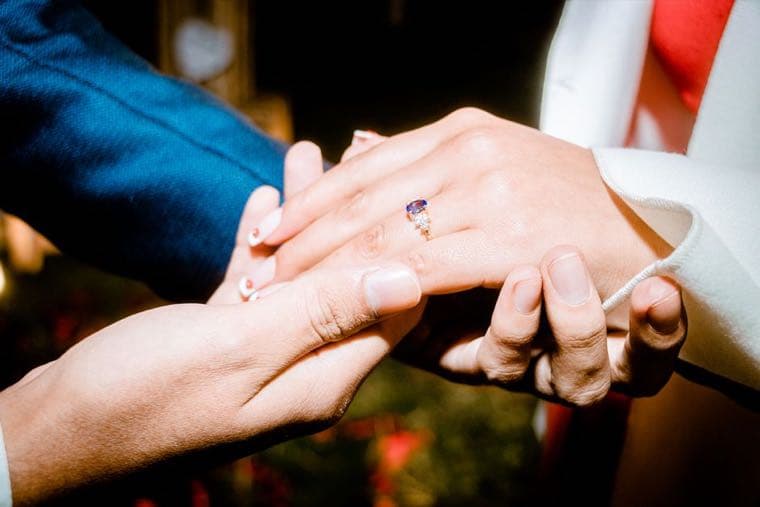
How Much Should You Spend on an Engagement Ring?
Forget the two months salary myth. A practical, savings-based framework for setting your engagement ring budget in Australia, with worked examples.
How Much to Give for a Wedding Gift in Australia
No fixed rule exists. Rough Australian cash gift ranges by relationship, plus tips for when money is tight. General info, not advice.
How Much Does It Cost to Raise a Child in Australia?
How much does it cost to raise a child in Australia? The real numbers by age, from childcare to Year 12, plus practical ways to keep every stage on budget.