

Sort Your Money Out and Get Invested: An Honest Review
Our honest Sort Your Money Out and Get Invested review: Glen James's Sound Financial House framework, the strengths, the weaknesses, and who it's really for.
 By Timothy Hirou GaschereauPublished
 10 min read
If you're a millennial or Gen X Australian who's never really sorted your finances, this book is probably the most useful thing you could read right now. If you already know your way around an ETF, you can skip it. That's the short version. Here's the full picture. It's part of our personal finance book reviews on Snowball Invest.
Quick answer
One of the best-structured Australian personal finance books for beginners. It's practical, genuinely local, and built around a logical sequence that takes you from clearing consumer debt all the way through to investing. The tone is direct and occasionally blunt. It's not for experienced investors, but if you're starting from scratch, this is the one to pick up. Our rating: 4 out of 5.
Want to read Sort Your Money Out and Get Invested?
A genuinely Australian, step-by-step plan from a former financial adviser. Great first money book.
In this guide
- →What the book is about: Glen James, and the Sound Financial House framework
- →Genuine strengths and the real criticisms, side by side
- →Who it's for, and who should skip it
- →What critics and readers say, on Goodreads and Reddit
- →The Australian angle, and how it stacks up against Barefoot and She's on the Money
📖 What is Sort Your Money Out about?
Glen James spent roughly a decade as a licensed Australian financial adviser before launching the My Millennial Money podcast in 2018. That matters: this isn't a podcaster with opinions, it's someone who spent years sitting across from real clients fixing real money problems. The book, published by Wiley in 2021, runs to 372 pages across nine chapters.
The spine of the book is his "Sound Financial House" framework: you build your finances in a specific order, like a house, and you don't put the roof on before the foundations. The four foundations come first.
| Foundation | What it covers |
|---|---|
| 1. Spending plan | A cashflow system using a bucket approach, so your money goes where you want. |
| 2. Cashed up and debt free | An emergency fund plus a clear plan to clear consumer debt before you invest. |
| 3. Protection plan | Life, TPD, trauma and income protection insurance. |
| 4. Wills and estate plan | A will, power of attorney, enduring guardianship and advance care directive. |
Once the foundations are solid, the framework moves up: super and career on the floor, lifestyle goals as the walls, and investing in shares and property as the roof. The core argument is simple: don't rush to the roof, get the foundations right first.
That second foundation is worth pausing on. If you want the specifics on building the buffer James talks about, our guide to how big your emergency fund should be fills in the numbers, and if you're carrying consumer debt, our comparison of the debt snowball versus the debt avalanche covers the two clearance methods the book only gestures at.
⚖️ Strengths and weaknesses
What it gets right
- ✓Genuinely Australian: super, the ASX, Australian tax and mortgages are all covered properly.
- ✓Practical and structured: the Sound Financial House gives you a clear sequence, no guessing what's next.
- ✓Honest about debt: it makes the case for clearing consumer debt before investing.
- ✓Credentialled author, not just a podcaster with opinions.
- ✓Accessible tone: no jargon, no condescension, easy to follow for a first-timer.
- ✓Broader than Barefoot: more depth on insurance, estate planning, property and asset allocation.
Where it falls short
- ✕Beginner-only: if you already know your super from your ETFs, there's little new here.
- ✕Podcast-companion feel: some sections read a bit light, like a transcribed episode.
- ✕Strong personal opinions: refreshing for some, a touch preachy for others.
- ✕Crowded space: it sits alongside Barefoot, She's on the Money and Barefoot Kids.
- ✕No advanced investing strategy: the shares and asset-allocation chapters are introductory only.
👤 Who should read it, and who should skip it?
Read it if you
- ✓Are a complete beginner who doesn't know where to start.
- ✓Are carrying consumer debt and wondering whether to invest first or pay it down.
- ✓Have never properly looked at your superannuation.
- ✓Found The Barefoot Investor too rigid or prescriptive.
Skip it if you
- ✕Are an experienced investor already managing a diversified portfolio.
- ✕Want a detailed ETF strategy or asset-allocation framework.
- ✕Have already worked through the basics and want the next level.
If the super chapter is the one that finally gets you to engage, our plain-English guide to what superannuation actually is is a good next stop, before you decide whether your fund's fees are worth worrying about.
🔍 What do critics say?
There aren't major newspaper reviews of the book itself, which is normal for Australian personal finance titles aimed at a general audience. What does exist is a solid presence in Australian finance resource lists: it's featured in "best Australian money books" round-ups by advisers and finance communities, and the Australian Financial Review has covered Glen James's podcast business (describing it as a million-dollar operation that started as a laugh). The most common shorthand from reviewers: a modern, more flexible version of The Barefoot Investor.
💬 What do readers say? Goodreads and Reddit
On Goodreads the book holds around 4.02 out of 5 from 513 ratings, a very tight cluster at the top (30% five stars, 45% four). On Audible Australia it's near-perfect, with listeners praising James's own narration as relatable and clear. The praise that recurs: easy to understand, practical, no-BS and relatable. The criticism: the tone can feel blunt or presumptive.
On r/AusFinance it's a regular recommendation in "where do I start with money" threads, and the Glen James Spending Plan gets discussed positively as a standalone budgeting tool. The consensus: a solid starting point for anyone who hasn't sorted the basics yet.
🇦🇺 The Australian angle
This matters more than it sounds. A huge proportion of the personal finance content available in Australia is adapted from American books and podcasts, and while the advice isn't wrong, it doesn't map cleanly onto Australian super, the ASX, our tax brackets or mortgage structures. This book is written for Australians, by an Australian, with Australian systems in mind. That's a real advantage.
Compared to The Barefoot Investor, James's book is broader and less lecture-y: if Barefoot felt too rigid, this is worth trying. Compared to She's on the Money (which skews toward a female audience and leans into the psychology of money), this one is more structured and step-by-step. All three occupy similar beginner territory with plenty of overlap, so if you haven't read any of them, start with whichever tone appeals to you most.
💰 The verdict
Sort Your Money Out and Get Invested is one of the best-structured Australian personal finance books for beginners, and it doesn't try to be anything else. The Sound Financial House framework is genuinely useful, the Australian focus is a real advantage, and the breadth (debt and spending plans through to super, insurance, property and shares) gives you a working map of the whole landscape in one read. The one star it loses is the beginner ceiling: if you already know the basics, there's nothing here to stretch you. But if you're starting from scratch, or you've been meaning to sort your finances for years and just haven't, this is the book to pick up. Our rating: 4 out of 5.
Want to read Sort Your Money Out and Get Invested?
Ready to finally get the foundations right? Grab a copy and work the framework.
SnowLetter
Australia's money news and our best reads, once a week.
❓ Frequently asked questions
Is Sort Your Money Out and Get Invested worth reading?
+
Yes, if you're an Australian beginner who hasn't sorted the basics yet. It's practical, structured and genuinely written for the Australian context. If you're already managing a diversified portfolio, it won't add much.
Who is Glen James?
+
Glen James is a former Australian financial adviser with roughly a decade of advising experience, an Advanced Diploma of Financial Planning and a Fellow Chartered Financial Practitioner designation. He's also the host of the money money money podcast (formerly My Millennial Money), which launched in 2018 and has grown to a community of tens of thousands.
How does it compare to The Barefoot Investor?
+
The Barefoot Investor is more prescriptive and system-focused. Sort Your Money Out is broader, covering insurance, estate planning, property and asset allocation in more depth, and it's less rigid. Both are good beginner books. If Barefoot felt too strict, try James's book instead.
Is it good for beginners?
+
It's specifically designed for beginners. The Sound Financial House framework walks you through the right order to sort your finances, from spending plans and debt clearance through to investing. Goodreads readers rate it around 4.0 out of 5, with about three quarters giving it four or five stars.
Does it cover superannuation?
+
Yes, a dedicated chapter covers super, including your options and why the best fund isn't always the one with the lowest fees. It's introductory rather than advanced, but a solid starting point for anyone who's never properly engaged with their super.
Is it still relevant in 2026 and beyond?
+
The core principles, spend less than you earn, clear consumer debt, understand your super, get insured, then invest, don't go out of date. The Australian tax and regulatory environment does change, so some specific details may shift, but the framework and the sequencing remain sound.
📚 Get the book (and two Aussie next reads)
Sort Your Money Out and Get Invested
Glen James
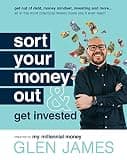
Sort Your Money Out and Get Invested
From the host of the my millennial money podcast, a step-by-step Aussie plan to fix your spending, clear debt and actually start investing. Practical and refreshingly free of finance-bro nonsense.
The Barefoot Investor
Scott Pape
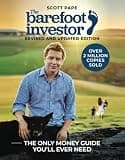
The Barefoot Investor
Australia's best-selling money book ever. A simple system for accounts, budgeting, debt and a real emergency fund in one.
She's on the Money
Victoria Devine
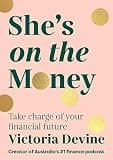
She's on the Money
Written for millennials, walks through budgeting, clearing debt, saving, investing and buying property with real stories.
Some links above are affiliate links. If you buy through them, Snowball Invest may earn a small commission at no extra cost to you. We only recommend books we'd suggest anyway.
Sources
Was this article useful?
Put it to your own numbers
Every calculator runs entirely in your browser, with nothing stored. See what these numbers look like for your own situation.
Explore the calculators →General information only. This article is educational and does not constitute personal financial advice. It does not account for your circumstances. Consider your own situation and seek advice from a licensed adviser before acting. Read our full disclaimer.

Timothy Hirou Gaschereau
Founder of Snowball Invest, not a financial adviser.
I write about what I'm learning myself, because nobody ever taught us how to take control of our own money. It's a skill, not a mystery, and it's never too late to learn it. The best day to start was yesterday, the second best is today.
LinkedIn →Related articles

The Quick-Start Guide to Investing: An Honest Review
Our honest review of The Quick-Start Guide to Investing by Glen James and Nick Bradley: a beginner-friendly Aussie investing guide, its strengths, and who it's for.

The Barefoot Investor Review: Honest, Unfiltered, Australian
Our honest Barefoot Investor review covers the bucket system, the 9 steps, the real criticisms, and whether Scott Pape's book is still worth it for Australians.

She's on the Money Review: Honest and Actually Useful
Our honest She's on the Money book review: what Victoria Devine gets right, where it falls short, and whether it's worth your time as an Australian reader.