
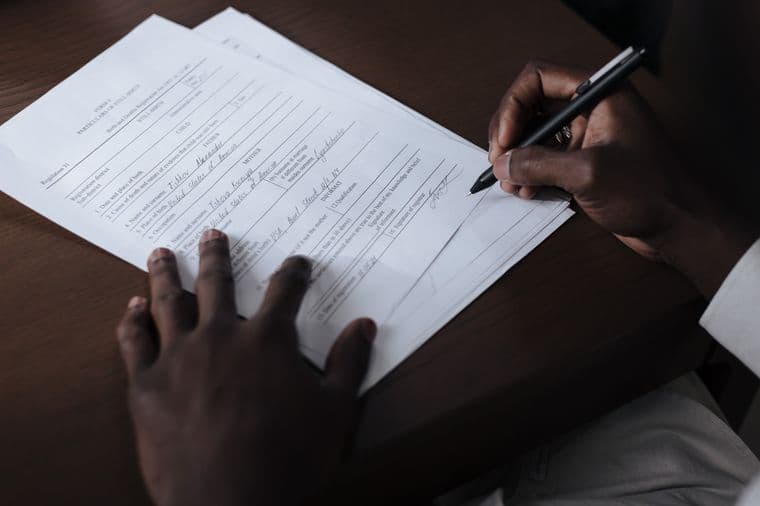
Best Spending Tracker App Australia: A Plain-English Guide
Compare the best spending tracker apps in Australia: Up Bank, Frollo, WeMoney, PocketSmith and free options, plus how the Consumer Data Right keeps data safe.
 By Timothy Hirou GaschereauPublished
 9 min read
Most Australians reckon they have a good handle on where their money goes. They are usually wrong, and the gap between what you think you spend and what you actually spend is where savings disappear. This guide compares the tools that close that gap. It is part of our wider guide to saving and budgeting on Snowball Invest.
Quick answer
There is no single best app for every Australian. The right choice depends on whether you want to switch banks, share your data, or keep everything offline. Apps using the Consumer Data Right framework (like Frollo and WeMoney) are regulated and safer than older screen-scraping. Free options are genuinely good: Up Bank, Frollo, WeMoney and the Moneysmart budget planner all have solid free tiers. And if privacy is your priority, a spreadsheet beats every app on the list.
In this guide
- →Why tracking is the habit that changes everything
- →Manual vs automatic tracking, and which suits you
- →Up Bank, Frollo, WeMoney, PocketSmith, spreadsheets and the free Moneysmart tool
- →How Open Banking and the Consumer Data Right protect your data
- →How to actually stick with it past week one
🎯 Why tracking changes everything
🎯 The essential: Tracking is not about being frugal or obsessing over coffee. It is about having real data so you can make real decisions.
ASIC's Moneysmart research has found that 74% of Australians set a budget but only 29% actually stick to one, and nearly half have regretted their spending in a given year. Tracking closes that gap. Reviewing your statements even once a month can surface forgotten subscriptions, duplicate charges or a takeaway habit that has quietly doubled.
The good news is the tools have made this genuinely easy. Whether you want to automate everything or keep it old-school with a spreadsheet, there is a method that fits how you live.
⚖️ Manual vs automatic tracking
There are two broad approaches, and neither is universally better. Manual tracking means recording transactions yourself. The friction is part of the value: writing something down forces you to notice it. Automatic tracking connects an app to your accounts so transactions are imported and categorised for you. It is lower effort, but you are sharing financial data with a third party.
| Manual | Automatic | |
|---|---|---|
| Effort | High (regular input) | Low (set and forget) |
| Accuracy | Depends on your discipline | Depends on the app's categories |
| Privacy | Full control, nothing shared | Data shared with the provider |
| Cost | Free (spreadsheet or paper) | Often free, some paid tiers |
📱 The main Australian-friendly options
Up Bank is a licensed neobank, so you need to bank with Up to use its tracking. If you are open to that, the Insights tab automatically categorises every transaction, shows trends, and lets you create Savers for goals. There is a 2Up feature for couples. Cost: free.
Frollo is an Australian fintech and one of the most capable pure trackers. It connects to 130-plus banks using the Consumer Data Right, so you do not switch banks or hand over logins. A free tier is available, with some premium features behind a paid plan.
WeMoney connects via CDR and screen-scraping, and shows spending, net worth, debts and your credit score in one place, plus a community feature. Core features are free; a Pro plan adds custom categories and desktop access.
PocketSmith stands out for cash flow forecasting, projecting your finances forward on a calendar so you can see if you will be in the red before payday. The free plan is limited; paid plans start around AUD $14.95 a month. Particularly useful for irregular income.
A spreadsheet gives you complete control, zero privacy risk and costs nothing. Export CSV files from your bank and paste them in. Our free budget planner template can save you the setup.
The ASIC Moneysmart budget planner is a free, government-built tool with no account required and no data stored. The most accessible starting point for anyone who has never tracked before.
Picking the tool is the easy part. Once you have a tool, the method matters more, and our guide to how to track your spending walks through the simple weekly routine that makes it stick.
🔐 Open Banking and your data
If you use Frollo, WeMoney or any app that connects automatically, it helps to understand how that works. Australia's Consumer Data Right (CDR) is a government framework, regulated by the ACCC, that lets you securely share banking data with accredited third parties. Open Banking went live on 1 July 2020. Accredited apps receive read-only data through a secure API, with your explicit consent, without ever seeing your bank password. You can revoke access any time through your bank's consent portal.
- Always read an app's privacy policy before connecting your accounts.
- Check what data it collects beyond transactions (some collect device data and location).
- If you stop using an app, revoke its access through your bank, not just by deleting the app.
🔁 How to actually stick with it
- Commit for 30 days before judging any method. Everything feels clunky in week one.
- Set a weekly 10-minute money date to review and correct categories.
- Do not aim for perfection. A rough picture beats no picture. Miss a week? Pick it back up.
- Use the data to set one specific goal, like cutting $50 a week from eating out.
- Automate where possible and celebrate small wins.
🧮 Budget Calculator
Turn the numbers your tracker surfaces into a plan you can actually follow.
📊 Who should just use a spreadsheet
Apps are not for everyone. A spreadsheet is often the better choice if any of these apply:
- You bank across multiple institutions that do not all support CDR yet.
- You are privacy-conscious and do not want to share data with any third party.
- You want to customise categories in a way no app allows.
- You enjoy building and maintaining a system, or you are just starting out.
If that is you, grab the free budget planner template and start there. You can always move to an app later.
SnowLetter
Australia's money news and our best reads, once a week.
❓ Frequently asked questions
Is there a free spending tracker app in Australia?
+
Yes, several. Frollo and WeMoney both have solid free tiers covering the core tracking features. Up Bank is free too, though you need to bank with them. The ASIC Moneysmart budget planner is completely free with no account required, and a spreadsheet is free and gives you the most control.
Are spending tracker apps safe to use in Australia?
+
Apps accredited under Australia's Consumer Data Right (CDR) are regulated by the ACCC and use secure, read-only data access rather than storing your bank password. This makes them significantly safer than older screen-scraping methods. Always read the privacy policy, check what data an app collects, and revoke access if you stop using it.
What is the best budgeting app for Australians?
+
There is no single answer. Frollo is strong for multi-bank spending tracking, WeMoney suits people who want debts and credit health alongside spending, PocketSmith is the pick for cash flow forecasting, and Up works well if you are happy to bank with them. A spreadsheet beats all of them on privacy. The best app is the one you will actually use consistently.
Can I track spending without connecting my bank account?
+
Absolutely. Manual tracking via a spreadsheet, notebook or notes app works well. You can also export CSV files from your internet banking and paste them into a spreadsheet, which gives you the data without sharing credentials. The Moneysmart budget planner needs no bank connection at all.
How long does it take to see results from tracking?
+
Most people notice something useful within two to four weeks, simply because they start seeing patterns. Actual behaviour change usually takes one to three months of consistent tracking. The key is not to wait for a perfect system, even a rough record for 30 days tells you more than you expect.
📚 Recommended reading
The Barefoot Investor
Scott Pape

The Barefoot Investor
Australia's best-selling money book ever. A simple system for accounts, budgeting, debt and a real emergency fund in one.
She's on the Money
Victoria Devine
She's on the Money
Written for millennials, walks through budgeting, clearing debt, saving, investing and buying property with real stories.
The Psychology of Money
Morgan Housel
The Psychology of Money
19 short stories on how people actually think and feel about money, not just the maths of it.
Some links above are affiliate links. If you buy through them, Snowball Invest may earn a small commission at no extra cost to you. We only recommend books we'd suggest anyway.
Sources
Was this article useful?
Put it to your own numbers
Every calculator runs entirely in your browser, with nothing stored. See what these numbers look like for your own situation.
Explore the calculators →General information only. This article is educational and does not constitute personal financial advice. It does not account for your circumstances. Consider your own situation and seek advice from a licensed adviser before acting. Read our full disclaimer.

Timothy Hirou Gaschereau
Founder of Snowball Invest, not a financial adviser.
I write about what I'm learning myself, because nobody ever taught us how to take control of our own money. It's a skill, not a mystery, and it's never too late to learn it. The best day to start was yesterday, the second best is today.
LinkedIn →Related articles
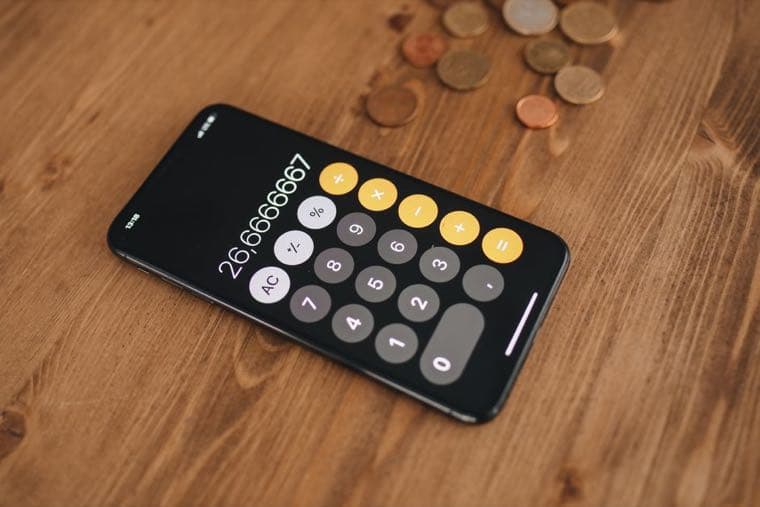
Best Budgeting Apps in Australia (2026 Update)
Open banking has matured, AI categorisation is now table stakes, and some apps you may remember are gone. Here's what the Australian budgeting app landscape actually looks like in 2026.

What Is a Cash Budget?
A cash budget is a simple plan for your money in and out. How to build one, an example, and how to actually stick to it. Not financial advice.

How to Make a Budget in Excel (Step by Step)
Build a simple monthly budget in Excel or Google Sheets from scratch. A step-by-step guide with the key formulas, a worked example, and tips.