

How to Lower Your Bills in Australia (Without the Hassle)
A no-fluff guide to lowering your bills in Australia. Save $1,000+ a year on energy, internet, insurance, mortgage and subscriptions, with a phone script.
 By Timothy Hirou GaschereauPublished
 9 min read
Here is a fact nobody tells you: your loyalty to a provider is costing you money. Energy retailers, insurers, telcos and banks quietly roll long-term customers onto worse deals while dangling their sharpest prices in front of new sign-ups. It is called the loyalty tax, a textbook case of status quo bias, and it is completely legal. A few phone calls a year can realistically save you $1,000 or more. This is part of our wider guide to saving and budgeting on Snowball Invest.
Quick answer
The loyalty tax is real: staying put quietly costs you hundreds every year. Compare energy plans on Energy Made Easy (or Victorian Energy Compare in VIC) and call your provider for their best offer. Switch to an MVNO for mobile and right-size your NBN plan to save $300 to $600 a year combined. Re-shop insurance at every renewal and drop add-ons you never use. Use the phone script in this article; the worst they can say is no.
In this guide
- →The biggest energy lever, plus hardship programs and rebates
- →MVNOs and right-sizing your NBN plan
- →Re-shopping insurance and cutting add-ons
- →Banking fees and the mortgage move worth the most
- →A copy-paste phone script and a yearly habit that keeps it up
⚡ Electricity and gas
🎯 The essential: Energy is usually the biggest lever, and the rules are on your side here.
- Compare your current plan on Energy Made Easy (or Victorian Energy Compare in VIC). Plug in your usage and see what else is out there.
- Call your provider and ask for their best offer. The Default Market Offer means retailers must display a reference price, so use it as leverage.
- Switch if the numbers make sense. Switching or negotiating can save $200 to $400 a year for a typical household.
Two things worth knowing: every retailer is legally required to have a hardship policy approved by the AER, and they cannot disconnect you while you are on an agreed payment plan. Most states also offer energy concessions or rebates for eligible households, so check your state government site or ask your retailer.
📶 Internet and mobile
Telcos are masters of the loyalty tax. If you have been on the same plan for two or more years, you are almost certainly overpaying.
- MVNOs: same towers, lower price. Boost Mobile runs on the full Telstra network; Woolworths Mobile uses Telstra Wholesale, covering 98.8% of the population on 4G. For most users the difference is zero.
- Right-size your NBN plan. Streaming 4K needs around 25 Mbps, so unless you run a heavy home office, NBN 50 is usually enough and $10 to $20 a month cheaper than NBN 100.
- Call your provider with a specific competitor offer and ask them to match it.
Combined, mobile and internet changes typically save $300 to $600 a year, depending on how much you are overpaying now.
🛡️ Insurance (car, home, health)
The loyalty tax hits hardest in insurance. Premiums creep up at renewal, and most people just pay.
- Re-shop every year. Set a reminder two weeks before renewal, get comparison quotes, then call your insurer with the best one. They will often match or beat it.
- Raise your excess for a lower premium, but only if you have an emergency fund that could cover it.
- Drop add-ons you do not use, like hire car cover or roadside assist you already have through a motoring club.
- Check your health extras. If you have not used dental, optical or physio in a year, you may be paying for cover you do not need.
Rough savings: $200 to $500 a year, sometimes more if you are significantly over-insured.
🏦 Banking and your mortgage
Ditch the fees. Monthly account-keeping fees are largely unnecessary now. Most big-four banks have fee-free options, and neobanks like Up or ING have made no-fee banking the default.
Your mortgage is the big one. A 0.25% rate cut on a $500,000 mortgage saves roughly $1,250 a year. Call your bank and ask for a rate review; if they will not budge, talk to a mortgage broker about refinancing. This is the highest-value move on the list, even if it takes more effort than a phone call.
Credit cards: annual fees on cards you barely use are pure waste. If you are not getting value from the rewards, cancel the card. If debt is the real weight, our guide to the debt snowball vs avalanche covers how to clear it in the right order.
🧮 Budget Calculator
See what an extra $1,000 freed up from bills does for the rest of your plan.
📺 Streaming and subscriptions
This one sneaks up on everyone. Open your bank statement and count the recurring charges. Most people find two or three they had forgotten.
- Audit everything first. Look for monthly charges between $5 and $25, the sweet spot where subscriptions hide.
- Rotate, do not stack. Binge one service for a month or two, cancel, move to the next. Most have no lock-in.
- Share where the terms allow, but check first since policies have tightened.
Rough savings: $300 to $600 a year if you trim two or three services you are barely using.
📞 The just ask script
This works for energy, internet, insurance and banking. Use it or adapt it to your style:
"Hi, I have been a customer for X years. I have had a look around and I can get [competitor offer] for $X less per month. Is there anything you can do to keep my business?"
Stay calm, be friendly, and have the competitor's details in front of you. If they say no, ask for the retentions team. If they still say no, actually switch. The worst outcome is that you hang up where you started.
🗓️ Make it a yearly habit
- Set a calendar reminder every 12 months, or two weeks before each renewal.
- Do one bill per weekend rather than everything at once.
- Keep a simple spreadsheet of what you pay, compared and switched to.
- Think about where the savings go. An extra $1,000 a year, invested consistently, compounds into something significant, which is the whole idea behind the snowball effect.
For the wider picture on recurring costs, see our guide on how to save money.
SnowLetter
Australia's money news and our best reads, once a week.
❓ Frequently asked questions
How much can I realistically save by lowering my bills?
+
Most households can save $1,000 to $2,000 a year by actively reviewing energy, internet, insurance and subscriptions. The exact figure depends on how long you have been on the same plans and how much you are overpaying. Energy and insurance tend to offer the biggest individual wins.
Is it worth switching energy providers every year?
+
Yes, in most cases. The energy market is competitive, and introductory discounts often expire after 12 months. A quick comparison on Energy Made Easy takes about 10 minutes and can save $200 to $400. Even if you stay after negotiating a better rate, the exercise is worth it.
Will calling my insurer to negotiate affect my policy?
+
No. Asking for a better price does not change your coverage or claims history. The worst that happens is they say no and you shop elsewhere. Your policy stays in force until you actively cancel it.
What's the easiest bill to lower first?
+
Subscriptions. Open your bank statement, find the streaming and app services you are paying for, and cancel the ones you do not use. It takes 15 minutes and the savings start immediately. Mobile plans are the next quick win, since switching to an MVNO is straightforward and low-risk.
Do MVNOs have worse coverage than Telstra or Optus?
+
It depends on the MVNO. Boost Mobile runs on the full Telstra network, so its coverage is identical to Telstra's retail service. Woolworths Mobile uses Telstra Wholesale and covers 98.8% of the population on 4G, close but slightly smaller in remote areas. For metro and suburban users the practical difference is negligible.
Can I lower my bills if I'm renting?
+
Absolutely. Renters can switch energy providers (the account is usually in your name), switch mobile plans, renegotiate internet, cut subscriptions and review insurance. The main thing renters cannot control is the mortgage, but everything else applies fully.
📚 Recommended reading
The Barefoot Investor
Scott Pape

The Barefoot Investor
Australia's best-selling money book ever. A simple system for accounts, budgeting, debt and a real emergency fund in one.
The Joyful Frugalista
Serina Bird
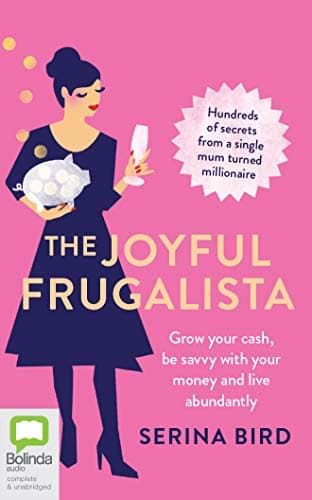
The Joyful Frugalista
Frugal living that feels fun instead of miserable, from an Aussie who saved a fortune without hating her life. Packed with everyday tips to spend less, save more and still enjoy the good stuff.
Money Magnet
Steve McKnight
Money Magnet
Steve McKnight, one of Australia's best-known investors, walks through the mindset and money habits that build lasting wealth. A motivating, no-nonsense read for anyone ready to get serious about their fortune.
Some links above are affiliate links. If you buy through them, Snowball Invest may earn a small commission at no extra cost to you. We only recommend books we'd suggest anyway.
Sources
Was this article useful?
Put it to your own numbers
Every calculator runs entirely in your browser, with nothing stored. See what these numbers look like for your own situation.
Explore the calculators →General information only. This article is educational and does not constitute personal financial advice. It does not account for your circumstances. Consider your own situation and seek advice from a licensed adviser before acting. Read our full disclaimer.

Timothy Hirou Gaschereau
Founder of Snowball Invest, not a financial adviser.
I write about what I'm learning myself, because nobody ever taught us how to take control of our own money. It's a skill, not a mystery, and it's never too late to learn it. The best day to start was yesterday, the second best is today.
LinkedIn →Related articles

25 Money Saving Tips Australia: A Practical Guide
25 practical money saving tips for Australians: cut grocery bills, compare energy plans, ditch bank fees and audit subscriptions without a lifestyle change.

How to Save Money as a Student in Australia
A practical guide to saving money as a student in Australia: Youth Allowance, concession cards, cheap food, textbook hacks, fee-free banking and housing tips.

How Much Should You Spend on Food Per Week in Australia?
How much should you spend on food per week in Australia? See 2026 benchmarks for singles, couples and families, plus easy ways to cut your grocery bill.