
How to Save Money as a Student in Australia
A practical guide to saving money as a student in Australia: Youth Allowance, concession cards, cheap food, textbook hacks, fee-free banking and housing tips.
 By Timothy Hirou GaschereauPublished
 11 min read
Being a student in Australia is brilliant, and also quietly expensive. Between rent, groceries, textbooks and the occasional flat white that somehow costs $6.50, the money disappears fast. The good news is there are real levers you can pull, and most cost nothing to set up. This is part of our wider guide to saving and budgeting on Snowball Invest. Government rates are indexed, so always verify current figures.
Quick answer
Check whether you qualify for Youth Allowance, Austudy or Rent Assistance through Services Australia; many students leave this money on the table. Get your state's concession card for roughly half-price transport, and sign up to UNiDAYS and Student Beans for discounts. Use the library before buying textbooks, switch to a fee-free bank account and a cheap MVNO phone plan, and claim the tax-free threshold when you start a job so your employer does not over-withhold.
In this guide
- →Government payments most students miss: Youth Allowance, Austudy, Rent Assistance
- →Transport concessions and student discount platforms
- →Cheap food, textbook hacks and student software deals
- →Fee-free banking and cheap MVNO phone plans
- →Housing strategies and earning on the side without a tax surprise
🏛️ Government help you might be missing
🎯 The essential: This is the section most students skip. Do not.
Youth Allowance is a fortnightly payment for full-time students aged 16 to 24 (or apprentices). As of January 2026, maximum rates range from about $418.90 per fortnight (single, under 18, at home) to $677.20 (single, living away) and $854.20 (single, with children). The personal income test starts once you earn more than $539 a fortnight, so part-time work will not necessarily cut you off.
Austudy is the equivalent for full-time students aged 25 or older, with a maximum single rate of $677.20 per fortnight. Rent Assistance can be paid on top of either, up to $219.40 per fortnight for a single non-sharer. Receiving these usually means you also get a Health Care Card, which cuts PBS scripts to $7.70 and unlocks discounts on some utilities and council rates.
Use the Services Australia payment finder to check what you are entitled to. It takes about five minutes and could be worth hundreds a fortnight.
🚌 Transport and everyday concessions
Each state runs its own concession system, but the discount is typically around 50% off the adult fare for eligible full-time students: the Concession Opal (NSW), Concession Myki (VIC), Concession go card (QLD), Concession Metrocard (SA) and Student SmartRider (WA). Check your state transport authority for exact eligibility, especially for international and part-time students.
UNiDAYS and Student Beans are free to join with a .edu.au email and cover discounts on clothing, tech, food delivery and streaming. And always ask before you pay, even at businesses not listed on those platforms, since many cafes, cinemas and local shops offer unlisted student discounts. The worst they can say is no.
🍜 Cheap food and groceries
- Shop Aldi first for home-brand staples, then fill gaps elsewhere.
- Meal prep on Sundays. A big pot of soup or a batch of rice and beans costs $15 to $20 and covers five or six lunches, versus the $15 campus sandwich.
- Check your student union for subsidised meals and weekly specials that are not widely advertised.
- Use the loyalty apps to scan weekly specials before you shop.
- Avoid daily food delivery. Fees and service charges add $5 to $8 per order, which is $35 to $56 a week in fees alone. Save the apps for a treat.
📚 Textbooks and study costs
- Library first, always. Most course texts are on short-loan or e-reserve, which is often all you need.
- Buy second-hand via Facebook Marketplace or campus groups, often 50 to 80% cheaper. Last year's edition is usually fine (check with your lecturer).
- Use legal free resources like Open Library at archive.org and Google Scholar for journal articles.
- Check student software deals. Microsoft 365 is often free through your student email; Adobe, Spotify and Apple Music offer heavily discounted student plans.
💳 Banking and your phone plan
Monthly account fees of $5 to $10 add up to $60 to $120 a year for nothing. Most major and challenger banks offer zero-fee accounts; Up, ING and Macquarie all have accounts with no monthly fees. Compare options on Moneysmart and read the Product Disclosure Statement first.
You do not need a $60 to $70 phone plan as a student. MVNOs like Boost, Woolworths Mobile, Aldi Mobile and Circles.Life run on the same Telstra or Optus networks for under $20 a month with decent data. Port your existing number when you switch, it takes about 24 hours.
🏠 Housing
Housing is one of the biggest costs, and the strategies that work are not glamorous but they add up:
- Share houses. Splitting rent three or four ways is one of the most powerful moves you can make. Use Flatmates.com.au or your uni's group.
- Staying at home for the first year or two can save $10,000 to $20,000 in rent, if it is logistically possible.
- On-campus accommodation sometimes bundles utilities, internet and meals; compare the all-in weekly cost against a private rental before assuming it is expensive.
- Avoid rental traps: never sign without inspecting, check your state's bond lodgement rules, and get $10 to $20 a month contents insurance for your laptop and belongings.
💼 Earning on the side
Claim the tax-free threshold. The first $18,200 you earn each year is tax-free. When you start a job, tick the box on your TFN declaration. If you do not, your employer withholds tax from dollar one and you wait until your return to get it back.
Casual work in hospitality, retail and campus jobs is the classic option, and peer tutoring pays well at $25 to $50 an hour. A word of caution on gig work: food delivery and rideshare count as self-employment income, so no tax is withheld. Set aside roughly 20 to 25% of every payment for tax and declare it all.
🧮 Budget Calculator
Map your Centrelink, casual pay and expenses in one place so you know exactly what you have to work with.
SnowLetter
Australia's money news and our best reads, once a week.
❓ Frequently asked questions
How much Youth Allowance can I get as a student?
+
It depends on your age, living situation and whether you have children. As of January 2026, rates range from around $418.90 per fortnight (single, under 18, living at home) to $854.20 per fortnight (single, with children). Rates are indexed and updated regularly, so always verify the current figures with Services Australia.
Do I need to lodge a tax return as a student?
+
Generally yes, if you earned any income during the financial year. Even if you earned under $18,200 and owe no tax, lodging is often required and can result in a refund if your employer withheld too much. Check the ATO's do I need to lodge tool.
What is the best bank account for students in Australia?
+
There is no single answer, but look for zero monthly fees, no ATM fees and a decent savings rate. Compare current options on Moneysmart and read the Product Disclosure Statement before signing up. This is general information only, not personal financial advice.
Can I get Centrelink if I live at home with my parents?
+
Yes, but the payment rate is lower (the at-home rate) and your parents' income may be assessed under the parental means test if you are under 22. Use the Services Australia payment finder to check your specific situation.
Is it worth getting a student concession card for public transport?
+
Absolutely. If you use public transport even a few times a week, a concession card pays for itself quickly. The discount is typically around 50% off adult fares across most Australian states.
📚 Recommended reading
The Barefoot Investor
Scott Pape

The Barefoot Investor
Australia's best-selling money book ever. A simple system for accounts, budgeting, debt and a real emergency fund in one.
On Your Own Two Feet
Helen Baker

On Your Own Two Feet
An Aussie financial planner's essential guide to money independence for women, covering every life stage from single to separated. Warm, practical and genuinely on your side.
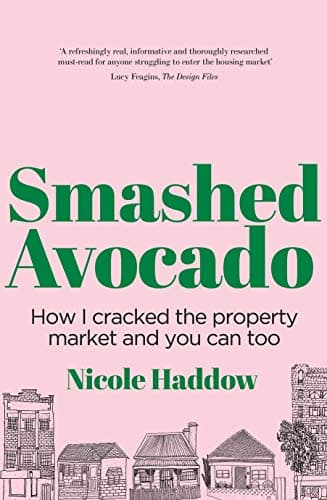
Smashed Avocado
Nicole Haddow
Smashed Avocado
A millennial who ditched the rent trap and cracked the property market by 30, told with honesty and humour. If you have ever been told your brunch is why you cannot buy a home, this Aussie story is your comeback.
Some links above are affiliate links. If you buy through them, Snowball Invest may earn a small commission at no extra cost to you. We only recommend books we'd suggest anyway.
Sources
Was this article useful?
Put it to your own numbers
Every calculator runs entirely in your browser, with nothing stored. See what these numbers look like for your own situation.
Explore the calculators →General information only. This article is educational and does not constitute personal financial advice. It does not account for your circumstances. Consider your own situation and seek advice from a licensed adviser before acting. Read our full disclaimer.

Timothy Hirou Gaschereau
Founder of Snowball Invest, not a financial adviser.
I write about what I'm learning myself, because nobody ever taught us how to take control of our own money. It's a skill, not a mystery, and it's never too late to learn it. The best day to start was yesterday, the second best is today.
LinkedIn →Related articles

25 Money Saving Tips Australia: A Practical Guide
25 practical money saving tips for Australians: cut grocery bills, compare energy plans, ditch bank fees and audit subscriptions without a lifestyle change.

How to Lower Your Bills in Australia (Without the Hassle)
A no-fluff guide to lowering your bills in Australia. Save $1,000+ a year on energy, internet, insurance, mortgage and subscriptions, with a phone script.

How Much Should You Spend on Food Per Week in Australia?
How much should you spend on food per week in Australia? See 2026 benchmarks for singles, couples and families, plus easy ways to cut your grocery bill.