

The Total Money Makeover Review: Dave Ramsey for Aussies
An honest Australian review of Dave Ramsey's The Total Money Makeover: the 7 Baby Steps, the debt snowball, what translates here, and what to ignore.
 By Timothy Hirou GaschereauPublished
 11 min read
Dave Ramsey is one of the most famous, and most polarising, personal finance voices in the world. The Total Money Makeover is his flagship book, and it's helped a lot of people dig out of serious consumer debt. It's also attracted plenty of legitimate criticism, especially from Australians who find large chunks of it don't apply here. Here's an honest look. It's part of our personal finance book reviews on Snowball Invest.
Quick answer
A genuinely useful behavioural reset for anyone drowning in consumer debt. The debt snowball and the emergency fund concept translate well to Australia. But the investing advice is US-specific, the 12% return assumption is optimistic, and the blanket anti-debt stance needs serious filtering before you apply it here. Read it as a mindset tool, not a complete financial plan. Our rating: 3.5 out of 5.
Want to read The Total Money Makeover?
If consumer debt is your problem, this is a proven kick up the backside. Cheap and motivating.
In this guide
- →What the book is about: the debt snowball, gazelle intensity and the 7 Baby Steps
- →Genuine strengths and the real criticisms, side by side
- →Who it's for, and who should skip it
- →What critics and readers say, including the 12% return debate
- →The Australian angle: what works, and why HECS is not consumer debt
📖 What is The Total Money Makeover about?
At its core it's about one thing: getting out of debt and staying out. Ramsey argues most financial problems come down to behaviour, not maths. His answer is the debt snowball (list your debts smallest balance to largest, ignore interest rates, pay minimums on everything except the smallest, then throw every spare dollar at that one, and roll the freed-up payment into the next) plus "gazelle intensity," a singular, urgent focus on becoming debt-free. The whole thing is structured as seven sequential Baby Steps.
- Save a small starter emergency fund (about $1,000 in the US original).
- Pay off all debt except the house using the debt snowball.
- Save 3 to 6 months of expenses in a fully funded emergency fund.
- Invest 15% of household income for retirement (401k/Roth in the US, super here).
- Save for your children's education (US ESAs and 529s, which don't map to Australia).
- Pay off your home early.
- Build wealth and give.
The steps are sequential by design, which removes decision fatigue. That structure is one of the book's genuine strengths.
⚖️ Strengths and weaknesses
What it gets right
- ✓The debt snowball's psychological power is real: quick wins build momentum that keeps you going.
- ✓Gazelle intensity is a genuine mindset shift, treating debt like a predator chasing you.
- ✓It's accessible and jargon-free, no finance degree required.
- ✓The emergency fund concept is solid advice anywhere.
- ✓The tough-love motivation genuinely works for people in a debt crisis.
- ✓The seven-step framework removes decision fatigue for people who feel overwhelmed.
Where it falls short
- ✕Very US-centric: 401k, Roth IRA and 529 college plans don't exist here.
- ✕The 12% expected return claim is optimistic, closer to 10% nominal and ~7% real.
- ✕His preference for actively managed funds contradicts the evidence (most trail their index after fees).
- ✕The blanket anti-debt stance is dogmatic: a 20% credit card is not a 5.5% mortgage.
- ✕The blanket anti-credit-card stance ignores disciplined users who pay in full for rewards.
- ✕The religious framing throughout is not for everyone.
👤 Who should read it, and who should skip it?
Read it if you
- ✓Are carrying serious consumer debt (cards, personal loans, car finance) and feel overwhelmed.
- ✓Have tried budgeting before and failed, and need a behavioural reset rather than more information.
- ✓Respond well to tough-love coaching and a clear, no-excuses framework.
- ✓Are just starting out and want a simple, motivating entry point.
Skip it or read it selectively if you
- ✕Are already a disciplined investor with no consumer debt.
- ✕Have only a mortgage and are weighing paying it down vs investing.
- ✕Want Australian-specific guidance on super, ETFs or property.
- ✕Are put off by religious framing in financial content.
🔍 What do critics say?
The criticism clusters around four areas. The 12% return figure: critics argue Ramsey uses arithmetic averages to arrive at it, when the compounded long-term US market return is closer to 10% nominal and roughly 7% real, so using 12% in projections leads people to undersave. The active-fund preference: he recommends actively managed funds believing skilled managers beat the market, but roughly 80% underperform their benchmark after fees, and even Warren Buffett endorses low-cost index funds for ordinary investors. The anti-credit-card position: outlets like The Points Guy argue a blanket rejection costs disciplined users real rewards value, since the problem is carrying a balance, not the card. And the snowball vs avalanche debate: the avalanche (highest interest first) saves more total interest, but Ramsey bets on the snowball's psychology, and for people who've failed before, that's probably right.
💬 What do readers say? Goodreads and Reddit
On Goodreads the book sits at 4.22 out of 5 from nearly 99,000 ratings, with 48% giving it five stars, a strong signal it delivers for its intended audience. Positive reviews praise the clarity of the Baby Steps and the results people achieved; critical reviews flag the repetitiveness, the religious content and the rigidity.
On r/personalfinance it's praised as a behavioural tool for consumer-debt crisis, while the investing advice is widely criticised as outdated versus low-cost index funds. On r/AusFinance the tone is more sceptical, commenters note the "debt is bad" framing oversimplifies the Australian context where investment debt, property and HECS-HELP all work quite differently.
🇦🇺 The Australian angle
What translates well: the debt snowball and budgeting discipline work anywhere. If you have credit card, car or personal loan debt, the snowball is a legitimate, psychologically effective way to attack it (our guide to the debt snowball vs avalanche compares the two). The emergency fund concept is equally sound. Keep those parts.
What to ignore or adapt: the retirement advice references 401ks and Roth IRAs, your equivalent is superannuation (the concessional cap is $32,500 for 2026-27, taxed at 15% inside the fund), and beyond super, low-cost index ETFs are the Australian mainstream. The 12% return assumption doesn't apply here. And critically, HECS-HELP is not consumer debt: it carries no interest, is indexed only to the lower of CPI or WPI (a few percent recently), and is repaid through the tax system once your income crosses the threshold, so throwing extra money at it instead of investing is usually the wrong move. Finally, Australian credit cards and property (where investment loans can be tax-effective through negative gearing) need local context that Ramsey's all-debt-is-evil framing simply doesn't provide. Always get advice from a licensed adviser before decisions in this area.
💰 The verdict
A good book for a specific problem. If you're in serious consumer debt and you've tried other approaches without success, this could genuinely change your financial life, the debt snowball works, the emergency fund works, and the behavioural intensity is exactly what some people need. But it's not a complete financial plan, and definitely not an Australian one: the investing advice is US-specific, the 12% figure is misleading, the active-fund preference contradicts the evidence, and the anti-debt stance needs heavy filtering here. Read it if you need a behavioural reset on consumer debt, treat it as a starting point, then find Australian-specific resources for the investing side. Our rating: 3.5 out of 5.
Want to read The Total Money Makeover?
Ready to attack your consumer debt? Grab a copy and start the snowball.
SnowLetter
Australia's money news and our best reads, once a week.
❓ Frequently asked questions
Is The Total Money Makeover worth reading for Australians?
+
Yes, with caveats. The debt snowball, emergency fund and behavioural discipline sections translate well and are genuinely useful for anyone carrying consumer debt. The investing chapters, retirement account references and college-savings advice are US-specific and should be largely ignored or adapted. Treat it as a debt-management tool, not a complete financial guide.
What are the 7 Baby Steps?
+
(1) Save a small starter emergency fund, (2) pay off all debt except the house using the debt snowball, (3) save 3 to 6 months of expenses, (4) invest 15% of household income for retirement, (5) save for your kids' education, (6) pay off your home early, and (7) build wealth and give. Steps 4 and 5 reference US-specific accounts that don't exist in Australia.
Does the debt snowball method actually work?
+
It works for a lot of people, particularly those who've struggled with motivation. Paying the smallest debt first isn't mathematically optimal, the debt avalanche (highest interest first) saves more in total interest, but the snowball's quick wins build momentum, and for people who've tried and failed before, that momentum is often the difference between finishing and giving up.
Is Dave Ramsey's 12% return realistic?
+
It's optimistic. Critics argue it reflects an arithmetic average rather than a compounded return, the compounded long-term return of the US market is closer to 10% nominal and roughly 7% real after inflation. The RBA found Australian equities returned a geometric mean of around 10% a year from 1917 to 2019. Planning on 12% leads to undersaving, so use more conservative projections.
Should Australians follow Ramsey's advice on credit cards?
+
Not necessarily. Cutting up all credit cards makes sense if you carry a balance and struggle with spending. It doesn't make sense for disciplined users who pay in full every month and earn genuine rewards value from Australian cards. The problem is debt, not the card. If you're not carrying a balance, it's your call.
What should Australians use instead of Ramsey's US investing advice?
+
Start with your superannuation (the concessional contributions cap is $32,500 for 2026-27, taxed at 15% inside the fund). For investing beyond super, low-cost index ETFs on the ASX are a widely used, evidence-backed option that avoids the high fees of the actively managed funds Ramsey prefers. For personal advice, speak with a licensed adviser, and ASIC's Moneysmart is a good free starting point.
📚 Get the book (and two Aussie debt next reads)
The Total Money Makeover
Dave Ramsey
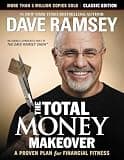
The Total Money Makeover
A no-nonsense, step-by-step plan for smashing debt with the snowball method and building a real emergency fund. The tough-love budgeting works anywhere, just use the ATO and super instead of his US tax tips.
The Barefoot Investor
Scott Pape
The Barefoot Investor
Australia's best-selling money book ever. A simple system for accounts, budgeting, debt and a real emergency fund in one.
Ditch the Debt and Get Rich
Effie Zahos
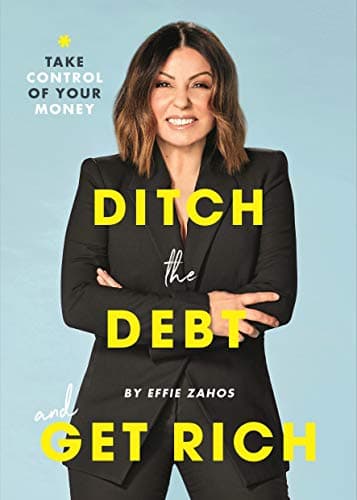
Ditch the Debt and Get Rich
One of Australia's most trusted money journalists shows you how to crush debt and build real wealth without giving up your flat white. Clear, doable steps you can start this week.
Some links above are affiliate links. If you buy through them, Snowball Invest may earn a small commission at no extra cost to you. We only recommend books we'd suggest anyway.
Sources
Was this article useful?
Put it to your own numbers
Every calculator runs entirely in your browser, with nothing stored. See what these numbers look like for your own situation.
Explore the calculators →General information only. This article is educational and does not constitute personal financial advice. It does not account for your circumstances. Consider your own situation and seek advice from a licensed adviser before acting. Read our full disclaimer.

Timothy Hirou Gaschereau
Founder of Snowball Invest, not a financial adviser.
I write about what I'm learning myself, because nobody ever taught us how to take control of our own money. It's a skill, not a mystery, and it's never too late to learn it. The best day to start was yesterday, the second best is today.
LinkedIn →Related articles

Ditch the Debt and Get Rich by Effie Zahos: An Honest Review
Our honest Ditch the Debt and Get Rich review: Effie Zahos's practical Aussie guide to clearing debt and building wealth, its strengths, and who should read it.

Debt Snowball Method vs Debt Avalanche: Which One Actually Gets You Debt-Free Faster?
Debt snowball vs debt avalanche compared with a worked example using real Australian debts, total interest paid, and honest guidance on which suits you.

Atomic Habits Summary: The Four Laws, Explained Properly
The four laws of behaviour change, habit stacking, the two minute rule and identity based habits, distilled. Plus what each one looks like applied to your money.