

Clever Ways to Save Money in Australia (That Actually Work)
Clever ways to save money in Australia right now: banking, groceries, fuel, subscriptions and mindset shifts that add up to thousands per year.
 By Timothy Hirou GaschereauPublished
 9 min read
Try it yourself
Cost of living is biting hard. Groceries, rent, energy bills, insurance, everything is up. Here's the thing: most people don't need a radical lifestyle overhaul. They need a handful of specific, targeted changes that compound over time. This guide covers the best money saving tips across banking, groceries, transport, subscriptions, and mindset, with real dollar figures. It's part of our saving and budgeting series.
🎯 The essential: Switch to a high-interest savings account and earn 5 to 6% p.a. instead of near zero. Audit your subscriptions (households average about $63/month on digital ones). Meal planning and unit pricing can claw back $200 to $400 a year. Automate your savings on payday so the decision is made before you can spend it.
Banking and bills
This is where the biggest, most effortless wins live. You don't have to change your behaviour much, you just need to move your money to the right place.
- Switch to a high-interest savings account. Most Australians park savings in a big-four account earning 0.01 to 1% p.a. Competitive HISAs offer up to 5.5 to 6% p.a. On $10,000, that's roughly $550/year versus $100, a $450 difference for doing nothing but switching.
- Ditch account fees. Monthly account-keeping fees of $5 to $10 add up to $60 to $120/year. Several banks offer fee-free everyday accounts. Pull up three statements and search for any recurring fee.
- Review your energy and phone plans. Households that haven't switched energy plans in 3+ years pay an average of $221 more per year. On phones, MVNOs like Boost, Woolworths Mobile, and Belong run on the major networks for $20 to $40/month less.
- Use the free government energy comparison sites. Energy Made Easy (most states) and Victorian Energy Compare (VIC) let you enter your actual usage to find the cheapest plan, independently and free.
Groceries and food
Australians waste around $2,500 per household per year in food. That's not a rounding error, that's a holiday.
- Meal planning (the boring tip that works). Plan five dinners before you shop, write the list, stick to it. A household of two that plans and shops once a week can save $50 to $100/week. Plan around what's on special.
- Master unit pricing. Supermarkets must display price per 100g or per litre. The bigger pack isn't always cheaper. Checking every time can save $200 to $400/year, and it helps to start at the cheapest supermarket in Australia for your basket.
- Cut food waste with smart storage. Use FIFO in your fridge (First In, First Out), and freeze bread, meat, and leftovers before they expire. Apps like Too Good To Go sell discounted surplus food.
- Cashback and loyalty apps. Cashrewards and ShopBack offer 2 to 10% back at major retailers, and our roundup of the best cashback apps in Australia compares them. Redeem loyalty points for grocery discounts, where the value is best, not flights or gift cards.
Transport and subscriptions
- Audit your subscriptions (the silent budget killer). Households average $63/month on digital subscriptions. Cancel anything you haven't used in 30 days. Rough saving: $360 to $960/year.
- Fuel savings and the petrol price cycle. Prices follow a cycle; apps like MotorMouth show live prices. Stacking Woolworths or Coles 4c/litre dockets can save $200 to $400/year.
- Novated lease (if you're an employee buying a car). Salary- packaging a car pre-tax reduces taxable income. Eligible EVs under the threshold are FBT-exempt (as at 2024-25). See our novated lease guide. Not for everyone, so check with your provider.
- Cancel, negotiate, or threaten to leave. Call your insurer, internet, or phone provider and ask for a better rate. Retention teams can offer 10 to 20% discounts. Rough saving: $100 to $300/year per provider, for one phone call.
Mindset and habits
The tips above are tactical. This section is about the habits that make them stick.
- Automate your savings (pay yourself first). Set up an automatic transfer on payday to a separate HISA. Even $50/fortnight is $1,300/year. The single most powerful habit, and it needs zero willpower after setup.
- The 48-hour pause rule. Before any non-essential purchase over $50, wait 48 hours. Most impulse buys evaporate. This is the antidote to emotional spending.
- No-spend days and weeks. Pick two or three no-spend days a week. At $10 to $30 saved per day, even two days a week adds up to $1,000 to $3,000/year.
- Build a fun fund. Deprivation budgets fail. Allocate a small, guilt-free spending amount each month. You're not restricting yourself, you're choosing where your money goes before the month starts.
- How to save money fast on a low income in Australia
How much can you actually save?
| Tip | Effort | Estimated annual saving |
|---|---|---|
| Switch to a HISA | Low | $300 to $500+ |
| Review energy plan | Low | $221 to $467 |
| Audit subscriptions | Low | $360 to $960 |
| No-spend days (2/week) | Medium | $1,000 to $3,000 |
| Meal planning | Medium | $600 to $1,200 |
| Phone plan switch (MVNO) | Low | $240 to $480 |
| Fuel apps and timing | Low | $200 to $400 |
| Negotiate with providers | Medium | $100 to $300 per provider |
| Unit pricing at the supermarket | Low | $200 to $400 |
You don't need to do all of these at once. Stack three or four low-effort switches and one habit, and you can realistically free up well over $2,000 a year without feeling deprived. Redirect it into your emergency fund or investments.
The bottom line: saving money in Australia in 2025 is less about heroic self-denial and more about a handful of smart switches plus a couple of sustainable habits. Start with one thing from banking and bills today, then plug your numbers into a budget planner to see it all add up.
SnowLetter
Australia's money news and our best reads, once a week.
❓ Frequently asked questions
How much can the average Australian realistically save by switching banks?
+
Switching from a big-four standard savings account to a competitive high-interest savings account can save you $300 to $500+ per year on a $10,000 balance, depending on the rate difference. The bigger your savings balance, the more meaningful the switch becomes. Use MoneySmart or Canstar to compare current rates before moving.
Are cashback apps actually worth it?
+
Yes, for most people. Cashrewards and ShopBack are free to use, and if you're already shopping at major retailers, earning 2 to 10% back costs you nothing extra. The main risk is that they nudge you to spend more than you planned. Use them on purchases you were already going to make, not as a reason to buy something new.
What's the easiest single change to make today?
+
Set up an automatic savings transfer for payday. It takes about 10 minutes, requires no ongoing willpower, and starts working immediately. If you want a close second, spend 15 minutes on Energy Made Easy or Victorian Energy Compare to see if you're overpaying on electricity.
Is a novated lease worth it for everyone?
+
No. A novated lease works best for employees with a reasonable income who are planning to buy a car anyway and whose employer offers salary packaging. The EV FBT exemption (as at 2024-25) makes it particularly attractive for eligible electric vehicles. But it's not the right fit for everyone. Talk to your employer's salary packaging provider and a qualified adviser before committing.
How do I stop impulse buying without feeling deprived?
+
Two things work together. First, use the 48-hour pause rule for any non-essential purchase over $50. Second, build a fun fund: a set amount each month that you can spend on anything, guilt-free. The combination of a pause mechanism and a guilt-free allowance removes the feeling of deprivation that kills most budgets.
Where do I start if I'm completely overwhelmed?
+
Pick one thing from the banking and bills section. Just one. Switch your savings account, or check your energy plan, or cancel one forgotten subscription. Getting a small win builds momentum. You don't need to implement everything at once, you just need to start somewhere today.
📚 Recommended reading
The Barefoot Investor
Scott Pape

The Barefoot Investor
Australia's best-selling money book ever. A simple system for accounts, budgeting, debt and a real emergency fund in one.
Smashed Avocado
Nicole Haddow
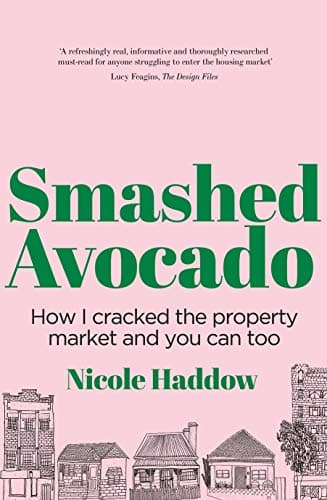
Smashed Avocado
A millennial who ditched the rent trap and cracked the property market by 30, told with honesty and humour. If you have ever been told your brunch is why you cannot buy a home, this Aussie story is your comeback.
Making Money Made Simple
Noel Whittaker

Making Money Made Simple
Australia's classic, comprehensive money guide covering tax, super and investing, updated for today.
Some links above are affiliate links. If you buy through them, Snowball Invest may earn a small commission at no extra cost to you. We only recommend books we'd suggest anyway.
Sources
This article is general information only and does not constitute personal financial advice. Rates, plans, and offers change over time and the dollar figures here are indicative. Consider your own circumstances and compare current options before you switch.
Was this article useful?
Put it to your own numbers
Every calculator runs entirely in your browser, with nothing stored. See what these numbers look like for your own situation.
Try the Budget Planner calculator →General information only. This article is educational and does not constitute personal financial advice. It does not account for your circumstances. Consider your own situation and seek advice from a licensed adviser before acting. Read our full disclaimer.

Timothy Hirou Gaschereau
Founder of Snowball Invest, not a financial adviser.
I write about what I'm learning myself, because nobody ever taught us how to take control of our own money. It's a skill, not a mystery, and it's never too late to learn it. The best day to start was yesterday, the second best is today.
LinkedIn →Related articles

25 Money Saving Tips Australia: A Practical Guide
25 practical money saving tips for Australians: cut grocery bills, compare energy plans, ditch bank fees and audit subscriptions without a lifestyle change.

How to Save Money as a Student in Australia
A practical guide to saving money as a student in Australia: Youth Allowance, concession cards, cheap food, textbook hacks, fee-free banking and housing tips.

How to Lower Your Bills in Australia (Without the Hassle)
A no-fluff guide to lowering your bills in Australia. Save $1,000+ a year on energy, internet, insurance, mortgage and subscriptions, with a phone script.