
Emotional Spending: Why You Do It and How to Stop
What is emotional spending, why your brain loves it, and 6 practical strategies to break the cycle. A plain-English guide for Australians.
 By Timothy Hirou GaschereauPublished
 9 min read
Try it yourself
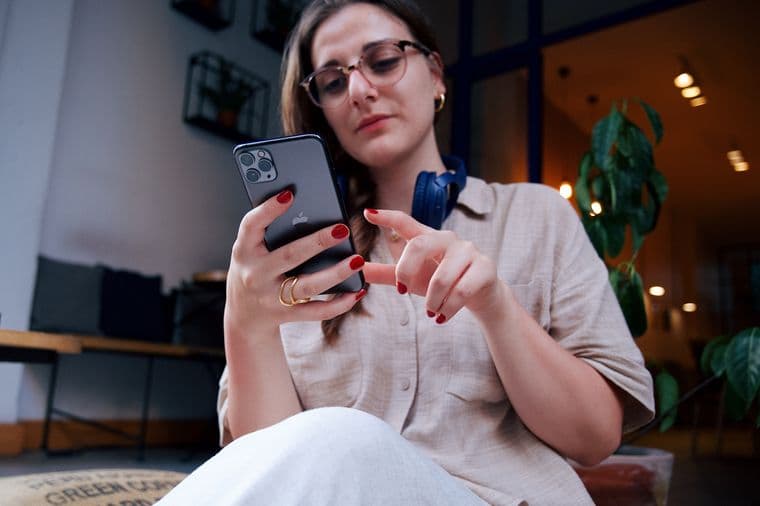
We've all been there. Rough day at work, open the laptop, and somehow end up with three things in a cart you didn't know existed an hour ago. That's emotional spending in action, and it's far more common than most people admit. This isn't about being bad with money. It's about being human. This article is part of our money mindset series, and it's general information only.
🎯 The essential: Emotional spending means buying things to manage feelings, not because you actually need them. Your brain's dopamine system makes shopping feel like a quick fix. Stress, boredom, loneliness, and social comparison are the biggest triggers. A 24-to-48-hour pause rule, a guilt-free fun fund, and automated savings are three of the most effective tools.
What is emotional spending?
Emotional spending is the habit of buying things in response to how you're feeling, rather than because you genuinely need or planned to buy them. It's different from intentional spending, which is deliberate: you know what you're buying, why, and you've weighed it against your budget. Emotional spending skips all of that. The feeling comes first, the justification comes second. The key distinction: you're not shopping to get something, you're shopping to feel something different. It's not a character flaw. It's a behavioural pattern, and behavioural patterns can be changed. When the pattern becomes constant and hard to control, it can tip into compulsive buying disorder, which is a recognised mental health condition rather than just a habit.
The brain chemistry behind it
Your brain has a reward system, and it loves novelty and anticipation. When you spot something appealing, your brain releases dopamine, a chemical linked to motivation and the anticipation of reward. That rush happens before you even buy anything. Then you buy the thing, and the dopamine spike fades fast, often within minutes of the package arriving. But your brain has logged the experience: “Shopping made me feel better.” So next time you're stressed or bored, it nudges you back to the checkout. It's the wanting, not the having, that drives the loop.
Common emotional spending triggers
Most emotional spending traces back to one of these:
- Stress. When cortisol is high, the brain actively seeks quick relief, and buying something new fits the bill. Stress spending is one of the most documented forms.
- Boredom. Scrolling with nothing to do is a retailer's dream. Boredom creates a low-level discomfort that shopping temporarily relieves.
- Sadness. This is where retail therapy gets its name. Buying feels like a small act of self-care, but it's a short-term patch on a longer-term feeling.
- Loneliness. Purchasing can feel like connection, especially when it involves browsing social content or interacting with brands.
- Celebration. “I deserve this” is legitimate, but it can become a habit where any positive event becomes a spending trigger.
- Social comparison. Seeing someone's renovation or holiday online creates a gap, and buying can feel like closing it, even briefly. See our guide on doom spending.
How retailers and apps are designed to exploit this
Emotional spending doesn't happen in a vacuum. Entire industries are built to catch you at your most vulnerable. One-click purchasing removes every step between impulse and purchase. Flash sales and countdown timers create artificial urgency that bypasses rational thought. Retargeted ads follow you around after a single glance. Buy Now Pay Later reduces the immediate pain of paying, so the bill arrives later while the dopamine hit arrives now. And “you deserve it” marketing gives you permission to spend emotionally by reframing the purchase as self-care. None of this means you're weak. It means you're up against systems refined by billions of dollars in behavioural research.
How to recognise your own emotional spending patterns
Before you can change a pattern, you have to see it clearly.
- Check your bank statement with fresh eyes. Go back three months and look for clusters: small purchases on Sunday nights, a spike after a stressful week, orders placed late at night.
- Notice the emotional state before you buy. Ask “how am I feeling right now?” before you open a shopping app. That awareness alone can interrupt the loop.
- Watch for buyer's remorse. Feeling flat or guilty shortly after a purchase is a reliable signal it was emotionally driven, not intentional.
- Track spending by mood. Even a simple phone note (“bought X, was feeling Y”) for a few weeks can reveal patterns you'd never otherwise notice.
Practical strategies to break the cycle
- Identify your triggers. Note what you were feeling before a purchase you regret. Over time your specific triggers become obvious.
- Use the pause rule. Wait 24 to 48 hours before any non-essential purchase. Most emotionally driven urges fade within a day. This is delayed gratification in practice.
- Find alternative coping mechanisms. Meet the underlying need another way: a walk when stressed, a book when bored, a call to a friend when sad.
- Remove friction-free purchasing. Delete saved card details, unsubscribe from sale emails, and remove shopping apps from your home screen.
- Budget a guilt-free fun fund. Deprivation doesn't work. Give yourself a set weekly amount for guilt-free spending, no justification required. A budget template makes this easy.
- Automate your savings first. Set up an automatic transfer on payday, before you can spend it. When the decision is made in advance, you remove the willpower equation.
- The Diderot effect: why one purchase leads to another
Emotional trigger vs healthier response
| Trigger | Emotional spending response | Healthier alternative |
|---|---|---|
| Stress | Online shopping binge, treating yourself | 20-minute walk, call a friend, breathwork |
| Boredom | Scrolling and adding to cart | Free activity, podcast, book, hobby project |
| Sadness | Retail therapy, comfort items | Reach out to someone, journal, favourite show |
| Loneliness | Buying things that feel like connection | Text or call a friend, free community event |
| Celebration | Splurge purchase as a reward | Use your fun fund intentionally, plan a free celebration |
| Social comparison | Buying to close the perceived gap | Unfollow triggering accounts, audit your feed |
The goal isn't to white-knuckle through every urge, it's to meet the underlying need another way and add a little friction between impulse and purchase. Awareness plus a 48-hour pause breaks most of the loop.
When emotional spending is a sign you need more support
Most people experience emotional spending occasionally. That's normal. But sometimes it tips into something that needs more than a 48-hour pause. It might be time to seek support if you feel unable to stop even when you want to, if spending is numbing anxiety or distress, if debt is accumulating and you're avoiding your accounts, if you're hiding purchases, or if the guilt afterward is significant and recurring.
Beyond Blue has a free money and mental health toolkit, and a 24/7 support line on 1300 22 4636. For financial counselling, the National Debt Helpline offers free, confidential help from qualified financial counsellors on 1800 007 007. There's no shame in any of this. Spending to cope is a very human response to a very hard world, and getting help is just the next, smarter version of that same instinct.
The bottom line: you're not broken, and you're not alone. Almost everyone has bought something they didn't need to feel better about something they couldn't control. The difference between occasional retail therapy and a cycle that hurts you is awareness, and you've already started building that.
SnowLetter
Australia's money news and our best reads, once a week.
Curious what your money personality says about your spending? Take the 2-minute quiz.
❓ Frequently asked questions
Is retail therapy actually bad?
+
Not inherently. An occasional intentional purchase to lift your mood, within your budget, is fine. The problem is when retail therapy becomes the default response to any difficult emotion, when it's unplanned, and when it's leaving you worse off financially or emotionally. Intentional is the key word.
What's the difference between emotional spending and just enjoying shopping?
+
Enjoying shopping is fine. Emotional spending is specifically about using a purchase to manage or escape a feeling, rather than because you genuinely want or need the item. A good test: if the emotion driving the purchase disappeared, would you still buy it?
How do I stop impulse buying online?
+
Start by removing friction-free access: delete saved card details, log out of accounts, and delete shopping apps. Then add the pause rule: 24 to 48 hours between impulse and purchase. Unsubscribe from promotional emails and mute or unfollow accounts that trigger comparison or desire.
Can budgeting help with emotional spending?
+
Yes, significantly. A budget that includes a guilt-free fun fund is especially effective because it removes the all-or-nothing dynamic. You're not forbidden from spending on things you enjoy; you're just doing it intentionally, within a set amount. ASIC's MoneySmart has a free budget planner.
What if my partner is an emotional spender?
+
Approach it with curiosity, not criticism. Shame rarely changes behaviour; it usually makes it worse. Start by talking about shared financial goals rather than individual spending habits. If the spending is causing real financial strain, a session with a free financial counsellor through the National Debt Helpline can give you both a neutral space to work through it.
When should I seek help for emotional spending?
+
If spending feels compulsive, if it's connected to anxiety or depression, if debt is building up, or if you're hiding purchases, it's time to talk to someone. Beyond Blue (1300 22 4636) offers mental health support, and the National Debt Helpline (1800 007 007) offers free financial counselling. Both are confidential.
📚 Recommended reading
The Psychology of Money
Morgan Housel
The Psychology of Money
19 short stories on how people actually think and feel about money, not just the maths of it.
Your Money or Your Life
Vicki Robin
Your Money or Your Life
The book that basically kicked off the FIRE movement, reframing money as 'life energy' you trade your hours for. The nine-step program is pure gold, just swap the US retirement-account chapter for super.
The Barefoot Investor
Scott Pape

The Barefoot Investor
Australia's best-selling money book ever. A simple system for accounts, budgeting, debt and a real emergency fund in one.
Some links above are affiliate links. If you buy through them, Snowball Invest may earn a small commission at no extra cost to you. We only recommend books we'd suggest anyway.
Sources
This article is general information only and does not constitute financial or mental health advice. If you're struggling with spending, debt, or your mental health, please reach out: Beyond Blue on 1300 22 4636 and the National Debt Helpline on 1800 007 007 are free and confidential.
Was this article useful?
Put it to your own numbers
Every calculator runs entirely in your browser, with nothing stored. See what these numbers look like for your own situation.
Try the Budget Planner calculator →General information only. This article is educational and does not constitute personal financial advice. It does not account for your circumstances. Consider your own situation and seek advice from a licensed adviser before acting. Read our full disclaimer.

Timothy Hirou Gaschereau
Founder of Snowball Invest, not a financial adviser.
I write about what I'm learning myself, because nobody ever taught us how to take control of our own money. It's a skill, not a mystery, and it's never too late to learn it. The best day to start was yesterday, the second best is today.
LinkedIn →Related articles
The Framing Effect: How the Same Fact Can Cost You Thousands
The framing effect tricks your brain into bad money calls every day. Learn the psychology, spot the retail traps, and defend your wallet with 3 tactics.

Hedonic Adaptation: Why More Money Rarely Feels Like Enough
Hedonic adaptation keeps you chasing the next buy no matter how much you earn. The psychology, the real cost, and four ways to break the cycle.

Compulsive Buying Disorder: Signs, Causes, and How to Get Help in Australia
Compulsive buying disorder is a real psychological condition, not a character flaw. Learn the signs, the causes, and where to get help in Australia.