
Doom Spending: Why We Spend More When the Future Feels Uncertain
Doom spending is spending money on non-essentials as a coping response to economic anxiety. Here's what's driving it in Australia and how to address it without shame.
 By Timothy Hirou GaschereauPublished
 9 min read
Try it yourself
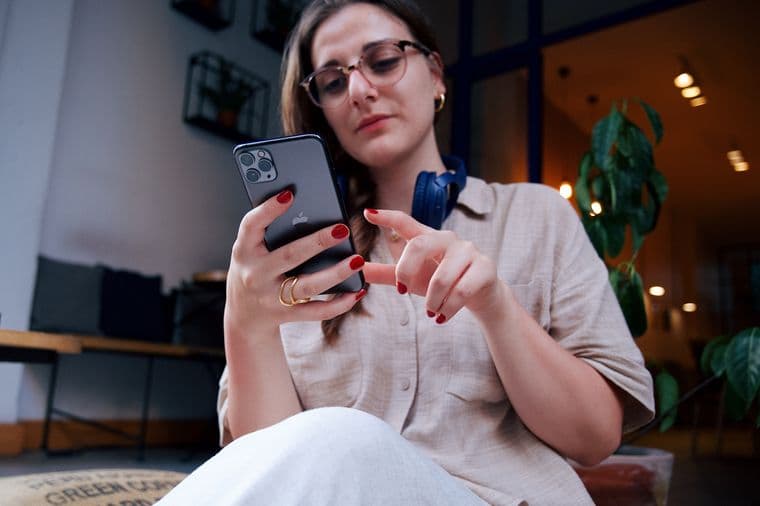
You know the feeling. You've just read another headline about house prices, or done the maths on what a deposit would actually take, and something in you goes quiet and a little hopeless. An hour later there's a parcel on the way, something you didn't really need, bought for reasons that had nothing to do with wanting it and everything to do with needing to feel something other than that hopelessness. This is doom spending, and it's part of a wider guide to money mindset on Snowball Invest.
This article is general information only, not personal financial or medical advice. If you're concerned about your spending or your mental health, please speak with a qualified professional.
Quick answer
Doom spending is spending money on non-essentials as a coping response to economic anxiety and pessimism about the future. It's not a character flaw. In Australia right now, the conditions driving it are genuinely severe. The risk is that it can become a cycle that makes things harder. The way through it is understanding the anxiety underneath, not stricter willpower.
In this guide
- →What doom spending actually is, and how it differs from ordinary impulse buying
- →The psychology behind it, present bias, loss of control, and social comparison
- →Why it's such a rational response to conditions in Australia right now
- →The risk: how it can become a cycle that deepens the exact problem it's responding to
- →A compassionate, practical framework for addressing it, without shame
🛍️ What is doom spending?
Doom spending is spending money on things you don't necessarily need, as a way of coping with anxiety about the future. It's the "why bother saving for a house I'll never afford, I might as well enjoy it now" mindset. The purchase itself usually isn't really the point, it's the relief that comes from briefly not feeling hopeless.
The term picked up mainstream attention via a CNBC story published on 29 November 2023, built around a survey from Intuit Credit Karma. That survey found more than a quarter of Americans (27%) said they doom spend to cope with stress, rising to 37% of Gen Z and 39% of millennials. It spread quickly from there through TikTok and Instagram, where younger people were already having frank conversations about economic pessimism, and picked up wide coverage through early 2024.
Doom spending isn't the same as ordinary impulse buying. Impulse purchases happen in the moment, you see something, want it, buy it. Doom spending is specifically tied to pessimism about the future, a reaction to feeling like traditional financial milestones, like owning a home or a stable financial future, are genuinely out of reach. The spending is a response to that feeling, not just a momentary temptation.
It's genuinely common, and not just overseas. Research from Leo Burnett's "Good Study", presented at a University of Technology Sydney forum on consumer behaviour in March 2025, put the figure at 29% of Australians now doom spending, using it as a way to inject a sense of meaning or distraction into a world that feels increasingly out of control. The exact number will vary depending on how a survey defines the behaviour, but the direction is consistent across every study on the topic: this is a widespread, recognisable pattern, not a fringe one.
| Impulse buying | Doom spending | |
|---|---|---|
| What triggers it | Seeing something appealing in the moment | Anxiety or hopelessness about the future |
| What it's really about | The item itself | Relief from a feeling |
| The underlying logic | "I want that" | "Why bother saving for something that feels impossible anyway" |
| What actually helps | Shopping habits, a cooling-off period | Addressing the anxiety underneath |
Doom spending is also worth telling apart from a broader worldview it sometimes gets lumped in with. Our guide to financial nihilism covers the belief that saving and planning no longer work at all, a settled worldview rather than an anxiety-driven behaviour, though the two can absolutely show up together. And if the spending itself starts to feel uncontrollable, it may be closer to compulsive buying disorder, which is treated as a clinical issue.
🧠 The psychology behind doom spending
Present bias, amplified. Our brains are wired to value rewards now over rewards later, that's normal and it's calledpresent bias. But when the future feels genuinely unaffordable, that bias gets amplified. If someone genuinely believes they'll never own a home, the rational calculation shifts, why sacrifice today for a goal that feels impossible anyway?
Loss of control, and the search for agency. When big things feel completely out of your hands, the housing market, inflation, the general state of the world, spending on small things can feel like reclaiming some of that control. Psychologists describe this as a "passive to active flip": you can't fix housing affordability, but you can choose to buy the thing in front of you right now, and that choice itself feels like something.
Social comparison, amplified by social media. TikTok and Instagram create a constant stream of other people appearing to spend freely, travel constantly, and live well. Whether that reflects their actual financial situation is beside the point, the comparison normalises the behaviour and makes restraint feel like deprivation rather than a choice. That same upward comparison is the engine behind a closely related pattern, our guide to money comparison anxiety looks at what happens when that constant measuring against others becomes the main lens for judging your own finances.
Anxiety
The future feels genuinely out of reach
Spending
A purchase offers a sense of control
Relief
The anxious feeling eases, briefly
Guilt
Relief fades, often replaced by regret
Without addressing the anxiety underneath, the loop just repeats, and often needs a little more each time to deliver the same relief.
Worth being really clear about this: doom spending is a recognised coping mechanism, not a personal failing. It sits in the same psychological territory covered in our guides to financial anxiety and tall poppy syndrome and money in Australia. If either of those pieces resonated with you, this pattern will probably feel familiar too. Shame rarely helps here. Understanding the driver underneath usually does.
🇦🇺 Why doom spending feels so rational in Australia right now
This is the section that matters most for a lot of readers, because the feelings driving doom spending are, in many cases, a completely rational response to genuinely difficult conditions.
The housing numbers are stark. PropTrack's Housing Affordability Report found a median-income household, earning around $112,000, could afford just 14% of homes sold nationally in the 2023-24 financial year, down from 43% just three years earlier, the smallest share on record since data collection began in 1995. More recent PropTrack figures show only a small easing since then, affordability remains close to those record lows. On top of that, ANZ and CoreLogic's Housing Affordability Report found median-income households needed 10.6 years to save a 20% deposit nationally, and that mortgage repayments on a median-priced home had climbed to absorb around half of median household disposable income.
Renting isn't the easy alternative it used to be either. Domain's rental report for the December 2025 quarter put the national median rent at a record $650 a week, with rents at or near record highs in almost every capital city.
Cost of living pressure has pushed financial stress to levels you can see clearly in the data on younger Australians specifically. ASIC research found 82% of Gen Z Australians (18 to 26 year olds) feel financially stressed because of rising living costs, with 68% naming finances as a major concern, well above the 57% of older Australians who say the same. Average personal debt among Gen Z respondents sat at $8,188, compared with $6,730 for everyone else, and one in five held $10,000 or more in personal debt.
🎯 The essential: When saving for a house genuinely feels impossible, spending on something enjoyable today isn't irrational, that's the honest truth. The problem isn't the feeling. It's when the behaviour becomes a cycle that makes the underlying situation even harder to escape.
⚠️ The risk: when doom spending becomes a self-fulfilling cycle
Here's where honesty without alarmism matters. The spending that feels like a reasonable response to a hopeless situation can actually deepen that situation. A CreditCards.com survey on spending driven by fear or anxiety about the future found nearly three in ten Americans (28%) expect to go into, or add to, credit card debt this year, a meaningful share of it tied to exactly this kind of anxiety-driven spending.
The cycle runs like this: doom spending reduces savings, which makes financial goals feel even further away, which increases financial anxiety, which drives more doom spending. Each loop makes the next one a little harder to break. This isn't about willpower, it's a feedback loop that's genuinely easy to fall into. The spending provides real, short-term relief, the anxious feeling eases briefly, then returns, often with added guilt, and the next purchase ends up feeling even more justified than the last one.
The goal of naming this pattern isn't to make anyone feel bad about past spending. It's to give enough distance from the pattern to see it clearly, which is usually the first thing that has to happen before anything changes.
Some people respond to the exact same anxiety in the opposite direction, an intense, motivated pivot toward saving instead of spending. If that sounds more like you, our guide to revenge saving covers when that pivot is healthy, and when it tips into a scarcity mindset instead.
🌱 A compassionate framework for addressing doom spending
The goal here isn't to white-knuckle through a stricter budget, that approach rarely works because it treats the symptom, the spending, without touching the cause, the anxiety.
1. Name what's happening. Recognising doom spending as anxiety-driven, rather than just "being bad with money," is genuinely useful. It shifts the question from "why can't I control myself?" to "what am I actually trying to cope with?" Before a purchase you're not sure about, try pausing to ask "am I buying this because I want it, or because I feel hopeless right now?" You don't need a perfect answer, just that moment of distance can change the outcome. Keeping a loose note of how you feel before and after a purchase, not to track every dollar but to notice patterns, can help surface what's actually going on too. Watch, too, for the guilt that follows a purchase hardening into something heavier, a belief that the spending proves you're bad with money rather than just a coping response. Our guide to financial shame covers that distinction and why it matters for what actually helps.
2. Small financial wins rebuild a sense of agency. The antidote to feeling out of control isn't a massive savings goal, it's tiny, achievable actions that prove to your brain you do have some control, the same logic that makes present bias work, in reverse. A small automatic weekly transfer into an emergency fund even if it's modest, paying off one small debt, not necessarily the biggest, just one, tracking spending for a single week not to judge it but to actually see it, or cancelling one forgotten subscription. None of these solve the housing affordability crisis, but they shift the feeling from "nothing I do matters" to "I can affect this," and that shift genuinely matters.
🥧 50/30/20 Budget Calculator
See what's actually left for discretionary spending, so intentional 'want' spending has a real number behind it.
3. Distinguish intentional "joy spending" from anxiety-driven spending. Not all non-essential spending is doom spending. Spending intentionally on things that genuinely matter within a plan isn't the problem, going out for dinner with friends because you value that time is different from buying things online late at night because you feel hopeless. The distinction is whether the spending is chosen or compelled. Intentional spending, sometimes called "joy spending," is a valid part of a healthy financial life, the real question is whether you're in the driver's seat, or the anxiety is. If part of what's holding you back from an honest "no" is guilt about disappointing people, our guide to loud budgeting has the exact scripts for that conversation. It's also worth knowing there's a very different, more intentional cousin of restraint doing the rounds right now. Our guide to underconsumption core covers a version of "buying less" that comes from feeling like you have enough, rather than from anxiety about the future.
4. If it feels compulsive, or is causing real harm, talk to someone. If spending feels genuinely out of control or is creating real financial difficulty, that's worth taking seriously. A financial counsellor can help you look at the numbers without judgment and work out a path forward, free financial counselling is available through the National Debt Helpline on 1800 007 007, confidential and no cost. A psychologist or therapist can help with the emotional side, particularly if financial anxiety is affecting your sleep, relationships, or mental health more broadly. Reaching out isn't a sign of failure, it's the practical move.
🎯 The bottom line
Doom spending is a real, psychologically grounded response to genuinely difficult economic conditions, it makes sense that people do it. When homeownership feels out of reach for so many, and financial stress is this widespread among young Australians, spending on something enjoyable today isn't a mystery, it's a coping mechanism. The risk is that it can become a cycle that makes the underlying situation harder. The way through isn't shame or stricter budgeting rules, it's understanding the anxiety underneath, finding small ways to rebuild a sense of control, and being honest with yourself about whether spending is intentional or driven by hopelessness. That's a harder question than "did I stick to my budget?", but it's the one that actually helps.
SnowLetter
Australia's money news and our best reads, once a week.
❓ Frequently asked questions
What is doom spending?
+
Doom spending is spending money on non-essential items as a coping response to economic anxiety or pessimism about the future. It's driven by the feeling that traditional financial goals, like buying a home or saving for retirement, are out of reach, so you might as well enjoy the present. The term entered mainstream media coverage in late November 2023 and spread widely through social media soon after.
Is doom spending the same as impulse buying?
+
No. Impulse buying is driven by momentary temptation, you see something and want it. Doom spending is specifically tied to pessimism about the future, a response to feeling hopeless or anxious about your financial situation rather than just a spontaneous desire. The distinction matters because the solutions differ, one calls for better shopping habits, the other calls for addressing the anxiety underneath.
Why is doom spending more common among younger Australians?
+
Younger Australians are facing the sharpest end of the cost of living crisis, with housing unaffordability and financial stress especially acute for this age group. ASIC research has found 82% of Gen Z Australians (18 to 26 year olds) feel financially stressed due to rising living costs, with average personal debt higher than older generations. When homeownership genuinely feels impossible and rents are near record highs, the 'why bother saving?' logic has real weight behind it.
How do I know if I'm doom spending?
+
Ask yourself a few questions. Do you spend more when you're feeling anxious or hopeless about the future? Is there a brief sense of relief after buying something, followed by guilt? Are you buying things you don't particularly want or need, just to feel something? Do you catch yourself thinking 'what's the point of saving anyway'? If several of these resonate, it's worth paying attention to the pattern, not with judgment, just with curiosity.
How do I stop doom spending?
+
Start by naming it, recognising the spending as anxiety-driven rather than a character flaw. Focus on small, achievable financial actions that rebuild a sense of control: a small automatic transfer to savings, paying off one minor debt, tracking spending for a single week. Try to notice the difference between spending you've chosen and spending that feels compelled by hopelessness. If the behaviour feels out of control or is causing real financial harm, contact the National Debt Helpline on 1800 007 007 for free, confidential support.
When should I seek help?
+
If doom spending is leading to debt that feels unmanageable, affecting your sleep or mental health, or feels compulsive rather than chosen, it's worth talking to someone. A financial counsellor through the National Debt Helpline (1800 007 007) can help with the practical side, and a psychologist or therapist can help with the emotional side. Both are valid options, and neither requires waiting until things feel unbearable first.
📚 Recommended reading
The Psychology of Money
Morgan Housel
The Psychology of Money
19 short stories on how people actually think and feel about money, not just the maths of it.
Atomic Habits
James Clear
Atomic Habits
Tiny changes, remarkable results. Clear shows how 1 percent improvements compound, and the same system that fixes your gym routine works on your saving habits too.
Your Money or Your Life
Vicki Robin
Your Money or Your Life
The book that basically kicked off the FIRE movement, reframing money as 'life energy' you trade your hours for. The nine-step program is pure gold, just swap the US retirement-account chapter for super.
Some links above are affiliate links. If you buy through them, Snowball Invest may earn a small commission at no extra cost to you. We only recommend books we'd suggest anyway.
Sources
- 1. Americans are 'doom spending', here's why that's a problem, CNBC, 29 November 2023
- 2. Economic concerns heighten as young Americans doom spend to cope with stress, Intuit Credit Karma
- 3. 1 in 5 Americans Are Doom Spending, CreditCards.com
- 4. Housing affordability hits record low, PropTrack Housing Affordability Report coverage, Mortgage Professional Australia
- 5. ANZ CoreLogic Housing Affordability Report 2024
- 6. 23-302MR Gen Z more concerned about finances than any generation in Australia, ASIC
- 7. Recording: Exploring Australia's Consumption Conundrum, University of Technology Sydney, March 2025
- 8. Domain Rental Report, December quarter 2025
- 9. National Debt Helpline, Financial Counselling Australia
Was this article useful?
Put it to your own numbers
Every calculator runs entirely in your browser, with nothing stored. See what these numbers look like for your own situation.
Try the Budget Planner calculator →General information only. This article is educational and does not constitute personal financial advice. It does not account for your circumstances. Consider your own situation and seek advice from a licensed adviser before acting. Read our full disclaimer.

Timothy Hirou Gaschereau
Founder of Snowball Invest, not a financial adviser.
I write about what I'm learning myself, because nobody ever taught us how to take control of our own money. It's a skill, not a mystery, and it's never too late to learn it. The best day to start was yesterday, the second best is today.
LinkedIn →Related articles

Compulsive Buying Disorder: Signs, Causes, and How to Get Help in Australia
Compulsive buying disorder is a real psychological condition, not a character flaw. Learn the signs, the causes, and where to get help in Australia.

Poverty Mindset: What It Is, Where It Comes From, and How to Shift It
A poverty mindset is a deep set of money beliefs shaped by real hardship. Learn the signs, the causes, and steps to build a healthier money mindset.

Fear of Spending Money: When Saving Becomes a Source of Stress
Fear of spending money is more common than you think. Learn the signs, the causes, and practical steps to ease the anxiety and spend with confidence.