
Fear of Spending Money: When Saving Becomes a Source of Stress
Fear of spending money is more common than you think. Learn the signs, the causes, and practical steps to ease the anxiety and spend with confidence.
 By Timothy Hirou GaschereauPublished
 8 min read
Most personal finance content is about spending too much. This one is for the opposite problem. What if your bills are paid, your savings are growing, and you still feel a knot in your stomach every time you tap your card? A fear of spending is more common than most people realise, and it's worth understanding. This is part of our wider guide to money mindset on Snowball Invest.
This article is general information only, not personal financial or medical advice. If money anxiety is affecting your life, please speak with a qualified professional or one of the services below.
Quick answer
A fear of spending money goes beyond being careful with cash. It becomes a problem when it causes real distress or stops you meeting basic needs. The pattern often has roots in a scarcity upbringing, financial trauma, or an unhealthy attachment to a growing bank balance. Tools like a guilt-free spending line, values-based budgeting, and automated savings can help you loosen up without feeling reckless.
In this guide
- →The line between intentional frugality and anxious avoidance
- →The signs, and the roots (scarcity, trauma, over-attachment)
- →The real, often invisible costs of not spending
- →Six practical steps to spend with confidence, and when to seek help
⚖️ Healthy frugality vs a fear of spending
Being careful with money is a good thing. The distinction worth making is between intentional frugality and anxious avoidance. Intentional frugality feels empowering: you choose to save because it aligns with your goals, and you feel good about it. Anxious avoidance feels compulsive: you can't spend even when you want to, even when it makes obvious sense, and the feeling that follows a purchase is guilt or dread rather than satisfaction.
Psychologists sometimes use the term chrematophobia for an irrational fear of money itself. More broadly, researcher Brad Klontz identified a pattern called money avoidance: the belief that money is bad, dangerous, or corrupting, which leads people to push it away. The line is crossed when the reluctance causes genuine distress, interferes with relationships, or stops you meeting your own basic needs.
🔎 Signs you might have it
- You delay necessary medical or dental appointments because of cost, even when you can comfortably afford them.
- You feel guilt or dread after any purchase, even routine ones like groceries or a haircut.
- You check your bank balance obsessively, looking for reassurance the number is still there.
- You hoard cash while necessities go unmet, leaving money untouched rather than improving your life with it.
- You refuse to spend on experiences with people you love, then feel the sting of missing out.
- You feel shame about spending, even in private, and struggle to spend on yourself at all.
If several sound familiar, you're likely dealing with something more than garden-variety frugality.
🌱 Why it happens
A scarcity upbringing. If your family regularly stressed about bills or treated every dollar as precarious, your nervous system learned that money is scarce and spending is dangerous. A scarcity mindset formed in childhood doesn't automatically update when your income does.
Financial trauma. A job loss, a debt crisis, or watching a parent go through bankruptcy can be genuinely traumatic. The brain responds to financial threat much like physical danger, and once burned it becomes hypervigilant. Spending even small amounts can trigger that alarm.
Over-attachment to a growing balance. Sometimes the fear isn't rooted in past scarcity at all. It develops when the number in your account becomes your primary source of safety, identity, or control. Watching it grow feels good; watching it drop, even slightly, feels threatening. The money stops being a tool and starts being the point.
🕳️ The hidden cost of not spending
Refusing to spend money has real costs too.
- You miss out on life and relationships. Saying no to every dinner and holiday can quietly damage friendships. The money in your account doesn't compensate for the connections traded away.
- You neglect your health. Skipping the dentist to save a few hundred dollars often leads to a much larger bill later.
- Deferred maintenance is expensive. A $200 repair today can become a $2,000 repair in twelve months. Spending on maintenance is investment, not waste.
- The emotional toll is real. Living in constant financial anxiety, even when objectively secure, affects sleep, mood, and your ability to enjoy the life you've built.
A dollar that sits untouched until you die has not done its job. Spending wisely isn't the opposite of financial responsibility. It's part of it.
🛠️ Practical steps to loosen up safely
The goal is intentional, confident spending, not recklessness.
- Build a guilt-free "fun money" line. A fixed amount each fortnight you're pre-approved to spend on whatever you like, no justification required. Even $50 removes the guilt from the equation.
- Use values-based spending. Before a purchase, ask: does this align with what I actually care about? The question isn't "can I justify this?" It's "does this reflect my values?"
- Automate your savings first. When the future is handled on payday before you see the money, what's left in your everyday account is genuinely free to spend.
- Start with small, deliberate spends. Buy the slightly nicer coffee, get the book. Each small purchase proves to your nervous system that spending doesn't lead to disaster.
- Reframe spending as a tool, not a threat. Money is a medium of exchange. Holding it forever isn't the goal.
- Talk about it. Financial anxiety thrives in silence. Naming the thing to a trusted person takes some of its power away.
🎯 The essential: If the pattern feels persistent, our guide to financial anxiety covers the broader worry pattern and what helps.
🤝 When to seek help
If the anxiety feels deep or persistent, it's worth getting proper support. The National Debt Helpline (1800 007 007) offers free, confidential financial counselling, and you don't need to be in debt to call. It's available weekdays 9:30am to 4:30pm, with live chat until 8:00pm.
If the anxiety feels rooted in something deeper, a psychologist who uses CBT can be genuinely effective. Ask your GP for a referral and a Mental Health Treatment Plan, where Medicare rebates may apply. Beyond Blue also has a dedicated financial wellbeing hub with tools and links to support.
SnowLetter
Australia's money news and our best reads, once a week.
❓ Frequently asked questions
Is fear of spending money a real condition?
+
Yes, in the sense that it's a recognised psychological pattern. While it may not always meet the clinical threshold for a formal diagnosis, an anxious, compulsive inability to spend, especially when it causes distress or interferes with daily life, is taken seriously by financial therapists and psychologists. It often overlaps with broader anxiety disorders or is rooted in financial trauma.
What is chrematophobia?
+
Chrematophobia is the term used to describe an irrational fear of money, including the act of touching, handling, or spending it. It sits within the broader category of specific phobias. In everyday use the term is sometimes applied loosely to any strong aversion to spending, though clinically it refers to a more acute fear response.
How do I know if I am too frugal or genuinely anxious about money?
+
The key difference is how it feels and what it costs you. Healthy frugality feels like a choice, you save because you want to and feel good about it. Anxious avoidance feels compulsive, you can't spend even when you want to, and the feeling after a purchase is dread or guilt rather than satisfaction. If your reluctance is causing distress, damaging relationships, or stopping you meeting basic needs, that's worth paying attention to.
Can therapy help with fear of spending money?
+
It can, and for many people it's the most effective option. Cognitive Behavioural Therapy (CBT) is well-suited to challenging the thought patterns that drive spending anxiety. Financial therapy, which combines financial planning with therapeutic techniques, is also emerging as useful. Ask your GP for a referral to a psychologist; a Medicare Mental Health Treatment Plan may reduce the cost significantly.
What is a good first step if I recognise myself in this article?
+
Start small and start honest. Acknowledge that what you're experiencing is real and has a name. Then pick one practical step, ideally the guilt-free fun money budget, and try it for one fortnight. If the anxiety feels overwhelming or deeply rooted, call the National Debt Helpline (1800 007 007) or speak to your GP about a referral. You don't have to figure this out alone.
📚 Recommended reading
Die With Zero
Bill Perkins
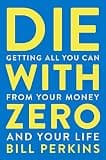
Die With Zero
Stop hoarding cash for a someday that never comes. Perkins makes the case for spending on experiences while you are still young enough to enjoy them.
The Psychology of Money
Morgan Housel
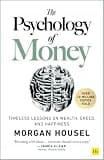
The Psychology of Money
19 short stories on how people actually think and feel about money, not just the maths of it.
Your Money or Your Life
Vicki Robin
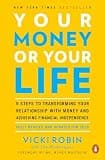
Your Money or Your Life
The book that basically kicked off the FIRE movement, reframing money as 'life energy' you trade your hours for. The nine-step program is pure gold, just swap the US retirement-account chapter for super.
Some links above are affiliate links. If you buy through them, Snowball Invest may earn a small commission at no extra cost to you. We only recommend books we'd suggest anyway.
Sources
- 1. National Debt Helpline, free financial counselling (1800 007 007).
- 2. Beyond Blue, Financial Wellbeing.
- 3. Financial Counselling, Moneysmart, Australian Securities and Investments Commission.
- 4. Klontz, B. T. et al. (2011). Money Beliefs and Financial Behaviors: Development of the Klontz Money Script Inventory. Journal of Financial Therapy.
Was this article useful?
Put it to your own numbers
Every calculator runs entirely in your browser, with nothing stored. See what these numbers look like for your own situation.
Explore the calculators →General information only. This article is educational and does not constitute personal financial advice. It does not account for your circumstances. Consider your own situation and seek advice from a licensed adviser before acting. Read our full disclaimer.

Timothy Hirou Gaschereau
Founder of Snowball Invest, not a financial adviser.
I write about what I'm learning myself, because nobody ever taught us how to take control of our own money. It's a skill, not a mystery, and it's never too late to learn it. The best day to start was yesterday, the second best is today.
LinkedIn →Related articles

Poverty Mindset: What It Is, Where It Comes From, and How to Shift It
A poverty mindset is a deep set of money beliefs shaped by real hardship. Learn the signs, the causes, and steps to build a healthier money mindset.

Hedonic Adaptation: Why More Money Rarely Feels Like Enough
Hedonic adaptation keeps you chasing the next buy no matter how much you earn. The psychology, the real cost, and four ways to break the cycle.

Compulsive Buying Disorder: Signs, Causes, and How to Get Help in Australia
Compulsive buying disorder is a real psychological condition, not a character flaw. Learn the signs, the causes, and where to get help in Australia.