

Making Money Made Simple by Noel Whittaker: An Honest Review
Our honest Making Money Made Simple review: Noel Whittaker's plain-English Aussie fundamentals, the strengths, the dated bits, and who should read it.
 By Timothy Hirou GaschereauPublished
 10 min read
If you've ever Googled "best finance books Australia" and landed on a forum, chances are someone has already typed the words "Noel Whittaker." Making Money Made Simple is the book that made his name, and after decades in print and more than a million copies sold, it's earned its spot on the shelf. Still worth your time today? Short answer: yes, with a couple of caveats. It's part of our personal finance book reviews on Snowball Invest.
Quick answer
A plain-English, genuinely Australian guide to the money fundamentals that actually matter: compound interest, good versus bad debt, super, and long-term wealth habits. Best for beginners and anyone who wants a solid grounding in Australian personal finance. Not the book for advanced investors chasing ETF or portfolio strategy. Our rating: 4 out of 5.
Want to read Making Money Made Simple?
Australia's enduring money classic. The plain-English grounding in the fundamentals that everything else builds on.
In this guide
- →What the book covers: compound interest, the Rule of 72, debt, super and more
- →The genuine strengths and the honest weaknesses
- →Who it's for, and who's better off elsewhere
- →What critics and r/AusFinance readers say
- →The Australian angle: why local context beats a translated US bestseller
📖 What is Making Money Made Simple about?
Making Money Made Simple is Noel Whittaker's attempt to explain personal finance the way a knowledgeable friend would: without the jargon, without the condescension, and without assuming you already know what a franking credit is. First published in 1987, it's been revised across many editions since, which means the content has been refreshed as Australian tax law, super rules and economic conditions shifted. That's more than most finance authors bother to do.
The core ideas haven't changed much, because they don't need to. The book walks you through:
- Compound interest and the Rule of 72. Divide 72 by your expected annual return to estimate how many years it takes to double your money. At 8%, that's roughly 9 years. Whittaker explains it so well it sticks. Our own guide to how compound interest works covers the same maths with worked Australian examples.
- Good debt versus bad debt. Borrowing for an appreciating asset is treated very differently from borrowing for a depreciating one. Obvious until you see how many people get it wrong.
- Budgeting and saving. Not glamorous, but foundational, and kept practical rather than preachy.
- Shares, home loans and superannuation. Each gets its own treatment, with Australian context throughout, and our guide to how superannuation works is a useful companion if the super chapter leaves you wanting more.
- Tax and wealth protection. Legal ways to reduce your tax bill and protect what you've built.
- Financial enemies and goal-setting. The habits that quietly erode wealth, paired with a framework for setting goals that matter, similar territory to our own guide on how to set financial goals.
It's a foundational classic, not a technical manual. Think of it as the "get the basics right" book before you start worrying about portfolio construction or tax-effective structures.
⚖️ Strengths and weaknesses
What it gets right
- ✓Genuinely Australian: super, franking credits, Australian tax and home loans are the actual subject, not a bolt-on.
- ✓Real plain-English accessibility: clear writing, concrete examples, no assumed prior knowledge.
- ✓Compound interest explained brilliantly: the Rule of 72 section alone is worth the cover price.
- ✓Practical, not theoretical: it tells you what to do, from clearing debt to negotiating a home loan.
- ✓Refreshed over decades: the figures and legislative references get updated edition to edition.
Where it falls short
- ✕Specifics lag between editions: tax rates and super caps change often, so cross-check current numbers with the ATO.
- ✕Not for advanced investors: if you already know your marginal rate and how to weigh an ETF, it won't teach you much.
- ✕Thin on modern vehicles: ETFs and low-cost index investing get limited attention relative to how central they now are.
- ✕Super and tax detail dates quickly: a good introduction, but not a substitute for current ATO guidance.
👤 Who should read it, and who can skip it?
Read it if you
- ✓Are new to personal finance and want a solid Australian foundation.
- ✓Have never really understood compound interest, good versus bad debt, or how super works.
- ✓Want a book written for Australia, not retrofitted from a US bestseller.
- ✓Finished The Barefoot Investor and want more depth on the fundamentals.
- ✓Are a parent or teacher after a clear, accessible money resource.
You can skip it if you
- ✕Already have a solid handle on the basics and want advanced investment strategy.
- ✕Want detailed guidance on ETFs, index funds or portfolio construction.
- ✕Need the most current super and tax figures (use the ATO and MoneySmart for that).
- ✕Are looking for micro-investing apps, fintech tools or a deep FIRE playbook.
🔍 What do critics say?
Making Money Made Simple has been a fixture of Australian personal finance for decades, and Whittaker is one of the country's most recognised money commentators, with long-running newspaper columns behind him. The book regularly features in "best Australian money books" round-ups from advisers and finance journalists, usually praised as a clear, no-nonsense guide to taking control of your finances. It's the kind of foundational title that gets recommended so often it's almost taken for granted.
💬 What do readers say? Goodreads and Reddit
Readers rate it well. On Goodreads it holds around 4 out of 5, with the large majority handing out four and five stars, which is a remarkably consistent result for a book that's been in print for the best part of four decades. Reviewers describe it as easy to follow, practical and genuinely Australian.
On r/AusFinance the sentiment is consistently positive, especially for beginners. It comes up again and again in "which Australian finance book should I read?" threads, often suggested as the natural next step after The Barefoot Investor. The recurring caveat: some specific figures feel dated, but the core ideas hold up.
🇦🇺 The Australian angle
This is where Making Money Made Simple earns its place among the best finance books Australia has produced. Most of the titles that dominate global bestseller lists, like Rich Dad Poor Dad or I Will Teach You to Be Rich, are written for the American system. They talk about 401(k)s instead of superannuation and US tax brackets that have nothing to do with your ATO return. Reading them here means constant mental translation, and some of the advice simply doesn't apply.
Whittaker writes about the Australian system from the inside. Superannuation, franking credits, Australian home loan structures and local tax strategies aren't afterthoughts, they're the whole point. That specificity is also why the book needs regular updates, and why it's worth checking you're reading a recent edition before relying on any of the exact figures.
💰 The verdict
Making Money Made Simple is the book we'd hand to someone who's just started thinking seriously about their finances and wants to understand how money actually works in Australia. It's not flashy and it doesn't promise to make you rich in 12 months. What it does is explain the fundamentals clearly, honestly and in a way that sticks. The compound interest and Rule of 72 sections are as good as anything in any personal finance book anywhere, and the Australian context is genuinely useful. The one star we're holding back is for the thin coverage of modern investment vehicles and the inevitable lag on specific tax and super figures between editions. Minor complaints about a book that does its core job exceptionally well. Our rating: 4 out of 5.
Want to read Making Money Made Simple?
Want the fundamentals done properly, for Australia? Grab the latest edition and start with the compounding chapter.
SnowLetter
Australia's money news and our best reads, once a week.
❓ Frequently asked questions
Is Making Money Made Simple still relevant today?
+
Yes, for the fundamentals. Compound interest, the Rule of 72, good versus bad debt, budgeting and wealth-building habits are timeless. The specific tax and super figures need cross-checking against current ATO guidance, but the core framework is as useful now as when the book first appeared in 1987.
Is it good for beginners?
+
It's one of the best beginner personal finance books written for an Australian audience. The language is plain, the concepts build logically, and the Australian context means you're not constantly translating advice that doesn't apply to your situation.
How does it compare to The Barefoot Investor?
+
The Barefoot Investor is more prescriptive and lifestyle-focused, built around a specific step-by-step system. Making Money Made Simple goes deeper on the underlying financial principles. Plenty of readers recommend both, with Barefoot first and Whittaker as the follow-up for more depth.
Does it cover superannuation?
+
Yes. Super is covered throughout, including how the system works within the broader Australian tax framework and how to grow your balance. That said, super rules change regularly, so always verify current contribution caps and tax treatment with the ATO before acting.
Is Noel Whittaker a qualified financial expert?
+
Noel Whittaker AM is a long-standing Australian finance author and commentator, a Chartered Tax Adviser and an Adjunct Professor at Queensland University of Technology. He co-founded the advisory firm Whittaker Macnaught and was appointed a Member of the Order of Australia in 2011 for his contribution to personal finance education. The book is educational, not personalised financial advice.
Where can I buy it in Australia?
+
The latest edition is available from Amazon Australia and major Australian bookshops, in paperback and eBook formats. Get the most recent edition so the tax and super figures are as current as possible.
📚 Get the book (and two Aussie companions)
Making Money Made Simple
Noel Whittaker

Making Money Made Simple
Australia's classic, comprehensive money guide covering tax, super and investing, updated for today.
The Barefoot Investor
Scott Pape
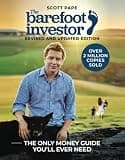
The Barefoot Investor
Australia's best-selling money book ever. A simple system for accounts, budgeting, debt and a real emergency fund in one.
Sort Your Money Out and Get Invested
Glen James
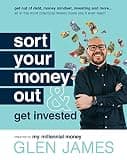
Sort Your Money Out and Get Invested
From the host of the my millennial money podcast, a step-by-step Aussie plan to fix your spending, clear debt and actually start investing. Practical and refreshingly free of finance-bro nonsense.
Some links above are affiliate links. If you buy through them, Snowball Invest may earn a small commission at no extra cost to you. We only recommend books we'd suggest anyway.
Sources
Was this article useful?
Put it to your own numbers
Every calculator runs entirely in your browser, with nothing stored. See what these numbers look like for your own situation.
Explore the calculators →General information only. This article is educational and does not constitute personal financial advice. It does not account for your circumstances. Consider your own situation and seek advice from a licensed adviser before acting. Read our full disclaimer.

Timothy Hirou Gaschereau
Founder of Snowball Invest, not a financial adviser.
I write about what I'm learning myself, because nobody ever taught us how to take control of our own money. It's a skill, not a mystery, and it's never too late to learn it. The best day to start was yesterday, the second best is today.
LinkedIn →Related articles

The Barefoot Investor Review: Honest, Unfiltered, Australian
Our honest Barefoot Investor review covers the bucket system, the 9 steps, the real criticisms, and whether Scott Pape's book is still worth it for Australians.

She's on the Money Review: Honest and Actually Useful
Our honest She's on the Money book review: what Victoria Devine gets right, where it falls short, and whether it's worth your time as an Australian reader.

Rich Dad Poor Dad Review: The Good, the Bad, and the Australian Reality
Our honest Rich Dad Poor Dad review: what Robert Kiyosaki gets right, the real criticisms, and why Australians need to read it with a very specific filter.