

The No-Spend Challenge: How It Works and Whether It's Worth Trying
How to set up a no-spend challenge that actually survives a real month, what it genuinely teaches you, and the common ways these challenges fall apart.
 By Timothy Hirou GaschereauPublished
 7 min read
Try it yourself
A no-spend challenge is simple in concept and genuinely easy to get wrong in practice, mostly by setting rules too strict to survive a real month. Here's how to set it up so it actually teaches you something. This is part of a wider guide to saving and budgeting on Snowball Invest.
Quick answer
A no-spend challenge means cutting all discretionary spending, everything beyond genuine essentials, for a set period, usually a week or a month. It works best with a clear goal, a defined list of what's actually allowed, and some built-in flexibility for the unexpected, rather than an all-or-nothing rule that collapses the first time something comes up.
In this guide
- →What a no-spend challenge actually is, and choosing a realistic length
- →How to set rules that survive contact with a real month, including a built-in buffer
- →Whether it actually works, and why the diagnostic value usually beats the dollars saved
- →The documented psychology behind why strict, all-or-nothing rules tend to backfire
- →Common pitfalls, the social side people underestimate, and what to do once it's over
🚫 What a no-spend challenge actually is
🎯 The essential: The point isn't the dollars saved during the challenge, it's what gets revealed about which spending habits were ever actually necessary.
For a set period, spending is limited to genuine essentials, rent, utilities, groceries, transport, existing bills and debt repayments, while everything discretionary pauses entirely. It's less about the dollar amount saved during the challenge itself and more about what it reveals: which spending habits are automatic, and which ones were never really necessary to begin with.
It's worth being clear on what this isn't, too. A no-spend challenge is about cutting discretionary spending, it says nothing about actively building savings up on a schedule. For that, a different mechanic altogether, the 52-week savings challenge, is the one to look at. The two work well run back to back, but they're not the same thing wearing a different name.
📅 Choosing a length: week, month, or year
The length changes what the challenge actually tests. A week is enough to spot obvious habits, ordering food after a stressful day, an impulse buy triggered by a sale email, but too short to reveal irregular monthly costs. A month captures a full pay cycle and any monthly subscriptions or bills, which is why it's the most common version. A full no-spend year is a different proposition entirely, one genuinely popular on social media as the no-buy challenge, but one that carries a much higher risk of the rebound effect covered below, precisely because it removes flexibility for so long.
Writer Gretchen Rubin's account of a no-spend month with her sister is a useful real-world data point here: limiting purchases to necessities and gifts noticeably cut impulse buys and clarified genuine wants from fleeting ones, but even a disciplined, deliberate attempt surfaced how much browsing and desire persisted in the background, rather than switching off entirely. A shorter, honest attempt tends to teach more than an ambitious one abandoned halfway through.
📋 Setting the rules before you start
| Category | During the challenge |
|---|---|
| Rent, utilities, groceries, transport, insurance, minimum debt repayments | Allowed, these are the genuine essentials |
| Dining out, takeaway, entertainment subscriptions | Paused entirely |
| New clothes, gadgets, non-essential shopping | Paused entirely |
| A genuinely unavoidable, unplanned cost | Covered from the buffer, not treated as a failure |
| Pre-committed social plans (a booked event, a birthday gift) | Allowed if booked before the challenge started |
Pick a specific goal. "Save more" is vague enough to abandon on day three. A specific target, an amount toward a trip, a debt payoff milestone, gives the restriction an actual point.
Write the approved list down first. Deciding in the moment whether something "counts" is where challenges quietly fall apart. Essentials are approved, everything else waits.
Build in a buffer. A small kitty for genuinely unplanned costs keeps one unavoidable expense from ending the whole challenge in frustration. Real life doesn't pause for a no-spend month.
🛟 How Much Should You Have in an Emergency Fund?
A genuine emergency during the challenge should come from here, not derail the whole thing.
📊 Does it actually work?
The short-term savings are real but usually modest relative to the effort involved. The bigger value tends to be diagnostic: a no-spend period makes patterns visible that a normal month hides; a habit of ordering food when stressed, a subscription nobody actively uses, a category that quietly costs more than expected. That awareness is often worth more long-term than the money saved during the challenge itself.
The useful shift isn't "spend" versus "no spend," it's noticing how much is actually needed in each category once default spending is switched off. That number, carried forward into an ordinary budget, is the real result.
Not every version has to be a blanket ban on everything discretionary. A category-specific version, a no-eating-out month, a no-new-clothes quarter, targets a single problem area with the same mechanics, and tends to be easier to sustain than an all-or-nothing challenge across every category at once. Narrower, sustained restrictions often teach more than a single ambitious week that gets abandoned by day four.
🧠 Why strict rules backfire
🎯 The essential: One small slip under an all-or-nothing rule reliably triggers a much bigger collapse than the slip itself warranted, this is a documented, repeatable finding, not a personal failing.
There's an actual name for the pattern where one small slip turns into a full-blown blowout: the "what-the-hell effect," first documented in dieting research by psychologists Janet Polivy and C. Peter Herman. A 2010 study by Polivy, Herman and Rajbir Deo, published in the journal Appetite, found that restrained eaters who merely believed they'd already eaten more than intended went on to eat significantly more afterward, even when they'd actually eaten the same amount as everyone else. The perception of having already broken the rule, not the actual size of the slip, was what triggered the bigger collapse. It describes how breaking a strict, all-or-nothing rule even once tends to trigger a disproportionately large collapse in self-control, because the streak already feels ruined, so the reasoning becomes "I've already blown it, might as well."
Applied to spending, one unplanned purchase during a rigid no-spend challenge can spiral into a much bigger spend than the original slip, purely because the all-or-nothing framing turned a minor deviation into a perceived total failure. This is precisely the mechanism the built-in buffer described above is designed to prevent, it keeps one exception from ending the whole challenge.
⚠️ Common pitfalls
Rules that are too strict tend to produce a rebound, a big spend right after the challenge ends, the same pattern seen with extreme dieting. Treating a single unavoidable expense as a total failure, rather than using the buffer built in for exactly that, is the other common way these challenges get abandoned early rather than adjusted and continued.
A less obvious pitfall: successfully avoiding purchases doesn't necessarily reduce the underlying desire to buy. Some people finish a no-spend period having spent nothing, but feeling more tempted than when they started, simply from continuing to browse sales and wishlists throughout. Avoiding the browsing itself, not just the checkout step, tends to matter as much as the spending rule.
🔄 What to do once it's over
The point isn't to white-knuckle discretionary spending forever, it's to decide, with real evidence from the challenge, which categories to genuinely keep lower and which ones to consciously bring back. That decision belongs in an ordinary budget afterward, not in another no-spend month.
🪜 How to Budget: A Step-by-Step Guide
Where the lessons from a no-spend challenge actually get put to use.
👥 The social side people underestimate
A lot of discretionary spending is social by default, meeting friends for a meal out, a round of drinks, a group activity with a cost attached. Declining all of it for the length of a challenge can feel isolating if it isn't planned for, which is a real reason challenges get abandoned that has nothing to do with willpower around money itself.
Suggesting free or low-cost alternatives, a walk, a home-cooked dinner instead of a restaurant, a coffee at home before catching up, keeps the social connection intact without breaking the challenge, and telling friends about the challenge upfront tends to make this easier than trying to quietly decline invitations without explanation.
SnowLetter
Australia's money news and our best reads, once a week.
❓ Frequently asked questions
How long should a no-spend challenge run for?
+
A week or a single pay cycle is a reasonable first attempt, long enough to notice real patterns, short enough to actually finish. A full month works well once the rules are dialled in from a shorter trial run.
What counts as an allowed expense during a no-spend challenge?
+
Genuine essentials: rent, utilities, groceries, transport to work, existing bills and debt repayments. Everything discretionary, dining out, new clothes, entertainment subscriptions, takeaway coffee, is what the challenge is actually testing.
Is a no-spend challenge just a diet, but for money?
+
In terms of how it can backfire, yes. Overly strict rules with no flexibility tend to end in a big rebound spend once the challenge finishes, the same pattern as extreme dieting. Building in planned flexibility from the start avoids that trap.
Does a no-spend challenge actually save meaningful money?
+
It can, but its bigger value is often diagnostic, it makes spending patterns and triggers visible in a way that's hard to notice during a normal month. Many people get more long-term value from what they learn than from the short-term dollars saved.
Why do strict spending rules sometimes cause a bigger blowout?
+
Psychologists call it the 'what-the-hell effect', a term from dieting research by Janet Polivy and C. Peter Herman, where one small break in an all-or-nothing rule triggers a much larger collapse in self-control, because the streak already feels 'ruined.' Building in planned flexibility from the outset prevents a single lapse from cascading into a bigger one.
Is a no-spend year a realistic goal?
+
For most people, no, not as an unbroken rule, and attempting one significantly raises the risk of the rebound effect described above. A no-spend year usually works better reframed as twelve separate no-spend weeks or months spread through the year, each with its own reset, rather than one continuous 365-day restriction.
How do you handle social invitations during a no-spend challenge?
+
Tell friends about the challenge upfront rather than quietly declining invitations, and suggest a free or low-cost alternative, a walk or a home-cooked catch-up instead of a restaurant booking. Losing the social side entirely is a common, avoidable reason these challenges get abandoned early.
Should a no-spend challenge include groceries?
+
No, groceries are an essential, not a discretionary category, and should stay in the budget as normal throughout. What's worth restricting is takeaway and dining out specifically, which is the part of the food budget that's genuinely optional, not the weekly shop itself.
📚 Recommended reading
Sort Your Money Out and Get Invested
Glen James
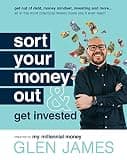
Sort Your Money Out and Get Invested
From the host of the my millennial money podcast, a step-by-step Aussie plan to fix your spending, clear debt and actually start investing. Practical and refreshingly free of finance-bro nonsense.
I Will Teach You to Be Rich
Ramit Sethi
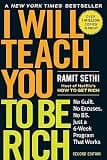
I Will Teach You to Be Rich
A funny, no-guilt six-week plan for automating your money and spending on what you love. The automation and psychology are spot on, just ignore the US Roth IRA bits and use super and Aussie ETFs.
The Joyful Frugalista
Serina Bird
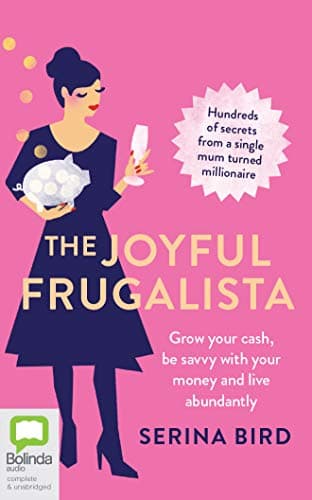
The Joyful Frugalista
Frugal living that feels fun instead of miserable, from an Aussie who saved a fortune without hating her life. Packed with everyday tips to spend less, save more and still enjoy the good stuff.
Some links above are affiliate links. If you buy through them, Snowball Invest may earn a small commission at no extra cost to you. We only recommend books we'd suggest anyway.
Sources
Was this article useful?
Put it to your own numbers
Every calculator runs entirely in your browser, with nothing stored. See what these numbers look like for your own situation.
Try the Budget Planner calculator →General information only. This article is educational and does not constitute personal financial advice. It does not account for your circumstances. Consider your own situation and seek advice from a licensed adviser before acting. Read our full disclaimer.

Timothy Hirou Gaschereau
Founder of Snowball Invest, not a financial adviser.
I write about what I'm learning myself, because nobody ever taught us how to take control of our own money. It's a skill, not a mystery, and it's never too late to learn it. The best day to start was yesterday, the second best is today.
LinkedIn →Related articles

How to Track Your Spending in Australia (And Stick With It)
Learn how to track your spending in Australia with a simple four-step method, easy categories and habit tips that actually stick past the two-week mark.
The 52-Week Savings Challenge: Save $5k, $10k or $20k in a Year
A structured savings challenge where your weekly deposit grows each week. How to scale it to save $5k, $10k or $20k in a year.

What Is a Cash Budget?
A cash budget is a simple plan for your money in and out. How to build one, an example, and how to actually stick to it. Not financial advice.