

VGS ETF: The Complete Guide to Vanguard's International Shares ETF
A plain-English deep dive into VGS, Vanguard's international shares ETF: what it holds, the 0.18% fee, the ~70% US weighting, no franking, and how it compares to VAS, BGBL, VGAD and IVV.
 By Timothy Hirou GaschereauPublished
 13 min read
Try it yourself
VGS is how most Australian index investors own the rest of the world. One trade on the ASX buys you a slice of roughly 1,500 large and mid-cap companies across the developed world, for 0.18% a year. It is the natural international partner to VAS, and together they form the classic two-ETF Aussie portfolio.
This guide assumes you already know what an ETF is. Here we go deep on what VGS holds (and its heavy US tilt), why it pays no franking credits, the currency question, and how it compares to VAS, BGBL, IVV and VGAD. General information only, not financial advice.
🎯 The essential: VGS is the Vanguard MSCI Index International Shares ETF (ASX: VGS): developed-market shares outside Australia, ~1,500 companies across the developed world, for a 0.18% fee. It is Australian-domiciled (no W-8BEN, no US estate tax), currency unhedged, and pays no franking credits. It is roughly 70% US, led by the big tech names, and it excludes both Australia and emerging markets by design. Pair it with VAS for Australian shares (and optionally VGE for emerging markets) for a complete core.
What VGS actually is
VGS is the Vanguard MSCI Index International Shares ETF, run by Vanguard Investments Australia. In plain English, it buys a small piece of roughly 1,500 companies across about 23 developed countries, all in one ASX trade. It tracks the MSCI World ex-Australia Index, the global benchmark for developed-market shares outside Australia, and with a fund size around $17 billion it is one of the largest and most liquid ETFs on the ASX.
What it holds, and the US tilt
“1,500 companies across the developed world” sounds evenly spread. It is not. The US dominates.
The top holdings read like a who's who of global tech: Apple, Microsoft, Nvidia, Alphabet, Amazon and Meta. Two things VGS deliberately leaves out: Australia (so it pairs cleanly with VAS) and emerging markets (China, India, Brazil and others are not in it). If you want emerging markets too, Vanguard's VGE is the usual complement.
The 0.18% fee, in real dollars
VGS charges 0.18% a year, deducted from the fund, never billed to you.
| Portfolio size | Annual fee at 0.18% |
|---|---|
| $10,000 | ~$18 |
| $100,000 | ~$180 |
| $500,000 | ~$900 |
Actively managed international funds typically charge 0.8% to 1.5%, so the gap compounds hugely over decades. VGS's large size also keeps its on-market spread tight, so you lose little when you trade.
Distributions, and why there's no franking
VGS pays quarterly distributions (March, June, September, December) from the dividends of its underlying companies. The important catch: no franking credits, because it holds international companies, not Australian ones. Some foreign tax is withheld at the fund level, so you may be able to claim a foreign income tax offset on your return. VGS is a growth fund, so its yield is modest; if income is your priority, VGS is the wrong tool. A DRP is available to reinvest automatically.
The missing franking is the crux of the VGS vs VAS trade-off. VAS delivers franked income that Australian residents (especially retirees, low brackets and super funds) can turn into tax offsets or refunds. VGS delivers global growth and diversification instead. Most portfolios want both.
Currency: VGS is unhedged
VGS is currency unhedged, so your AUD returns move with the exchange rate. When the Aussie dollar falls, your VGS units are worth more in AUD terms even if the shares haven't moved; when the AUD rises, the reverse. That is not a flaw, it adds diversification, and international holdings often cushion the blow when the Australian economy (and the AUD) is weak.
The hedged version is VGAD, same index, currency stripped out, slightly higher fee. Unhedged (VGS) suits long-term investors comfortable with currency swings; hedged (VGAD) suits those closer to drawdown who want less noise. Our hedged vs unhedged guide digs into it.
Why Australian domicile matters
VGS is registered in Australia, not the US, and that is a bigger deal than most people realise. It means no W-8BEN form, no US estate tax exposure (which hits US-domiciled ETFs above roughly USD $60,000), and Vanguard handles the foreign tax-treaty plumbing at the fund level so your reporting is simpler. This is the key practical edge of VGS over buying US-domiciled ETFs like VTS or VEU directly.
VGS vs VAS: the classic two-ETF core
This is not really a versus. VAS (Australian shares) and VGS (international shares) are the most popular two-ETF core for Australian index investors precisely because they complement each other.
| VAS | VGS | |
|---|---|---|
| Exposure | Australian shares (ASX 300) | Developed markets ex-Australia |
| MER | 0.07% | 0.18% |
| Franking credits | Yes | No |
| Currency | AUD (domestic) | Unhedged foreign |
| Role | Home + franked income | Global growth + diversification |
Common splits are 30/70, 40/60 or 50/50 VAS/VGS, depending on how much you value franking versus global growth. Since Australians already carry big home exposure through super, property and their job, many deliberately tilt toward VGS. There is no single right answer; our full VAS guide covers the splits.
VGS vs BGBL, IVV and VGAD
| Fund | What it is | MER | vs VGS |
|---|---|---|---|
| BGBL | Betashares global ex-Australia (developed) | 0.08% | Cheaper, newer and smaller |
| IVV | iShares S&P 500 (US only) | ~0.04% | US-only, cheaper, no Japan/Europe |
| VGAD | Same index, currency hedged | Higher | Removes AUD swings |
BGBL undercuts VGS on fee (a real saving) but has a shorter track record and smaller size, and we put the two head to head in our BGBL vs VGS comparison. IVV is a sharper, cheaper bet if you only want the US S&P 500, see our S&P 500 ETF guide or the direct IVV vs VGS comparison. VGAD is simply the hedged twin of VGS. Different tools for different jobs. And if you would rather not assemble a portfolio at all, compare VGS with an all in one fund in DHHF vs VGS. Tempted to bolt a tech fund on top instead? Read NDQ vs VGS first, because the overlap is larger than it looks.
How VGS fits a portfolio
VGS works best as the international core. Common builds: a two-ETF VAS + VGS; a three-ETF VAS + VGS + VGE (adds emerging markets); or four-ETF with a bond ETF for defensiveness. If you would rather not juggle multiple tickers or rebalance, an all-in-one like VDHG or DHHF already blends Australian and international shares for you, at a slightly higher fee. One tip: check what your super fund already holds before adding VGS in your own name, many already run big international allocations, and doubling up is a common mistake.
How to buy VGS
VGS trades on the ASX under the ticker VGS, like any share. Open a broker (CommSec, SelfWealth, Pearler, Stake, CMC Markets), fund your account, search “VGS” and place a buy order (a limit order near the current price is sensible). The minimum is one unit. New to this? See how to buy shares in Australia and how to choose a broker. Set up the DRP through Vanguard's registry to reinvest.
Common mistakes with VGS
- Thinking VGS is “global”. It is developed markets only. China, India, Brazil and others are excluded. Add VGE for true global coverage.
- Panicking when the AUD rises and VGS looks flat. That is currency noise, not a fund problem. If the underlying companies are fine, it is not a reason to sell.
- Doubling up inside super. Many super funds already hold big international allocations. Check before adding VGS in your own name.
- Confusing VGS with VGAD. One is unhedged, one is hedged. They behave very differently when the AUD moves sharply.
- Holding VGS with no VAS. VGS excludes Australia, so VGS-only means zero direct Australian exposure. Add VAS or A200 to round it out.
❓ Frequently asked questions
Is VGS a good ETF?
+
For long-term Australian index investors, VGS is one of the most well-regarded ETFs on the ASX: low-cost, broadly diversified across developed markets, Australian-domiciled and backed by Vanguard. Whether it suits you depends on your goals, income needs and comfort with currency risk, but it is a genuinely excellent building block for most passive portfolios.
What is the difference between VGS and VGAD?
+
Both track the MSCI World ex-Australia Index and are run by the same Vanguard team. VGS is unhedged, so your AUD returns move with exchange rates; VGAD hedges the currency back to AUD to remove that swing, at a slightly higher fee. Most long-term investors choose VGS; VGAD suits those closer to drawing down who want less currency volatility.
Does VGS pay franking credits?
+
No. VGS holds international companies, not Australian ones, so distributions carry no franking credits. You may instead be eligible for a foreign income tax offset on your Australian return, since some foreign tax is withheld at the fund level before distributions reach you.
Is VGS Australian domiciled?
+
Yes. VGS is registered and domiciled in Australia and run by Vanguard Investments Australia. That means no W-8BEN form, no exposure to US estate tax (which hits US-domiciled ETFs above roughly USD $60,000), and simpler tax reporting.
What index does VGS track?
+
The MSCI World ex-Australia Index: large and mid-cap companies across the developed world, excluding Australia. It does not include emerging markets.
VGS vs BGBL: which is better?
+
Neither is objectively better. BGBL is cheaper (0.08% vs 0.18%), tracks a different index (Solactive vs MSCI) and launched in 2023, so it is newer and smaller. VGS has a decade-long track record, a much larger and more liquid fund, and the MSCI benchmark. Cost-focused investors may prefer BGBL; those who value track record and liquidity may prefer VGS.
Does VGS include emerging markets?
+
No. VGS is developed markets only. China, India, Brazil, Taiwan and South Korea are all excluded. If you want emerging markets on top, Vanguard's VGE is the natural complement, or use an all-in-one fund like VDHG or DHHF that already includes them.
Keep reading
📚 Recommended reading
The Barefoot Investor
Scott Pape

The Barefoot Investor
Australia's best-selling money book ever. A simple system for accounts, budgeting, debt and a real emergency fund in one.
Girls That Invest
Simran Kaur
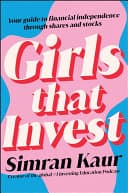
Girls That Invest
A no-jargon crash course from the podcaster behind Girls That Invest that makes the sharemarket feel doable, written especially for women starting out. The perfect first step before you buy your first ETF.
The Bogleheads' Guide to Investing
Taylor Larimore, Mel Lindauer & Michael LeBoeuf
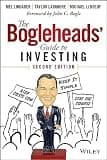
The Bogleheads' Guide to Investing
The friendly community bible of low-cost, buy-and-hold index investing, written by everyday investors rather than salespeople. The core philosophy is timeless for Aussies, just read the tax-advantaged account bits as super.
Some links above are affiliate links. If you buy through them, Snowball Invest may earn a small commission at no extra cost to you. We only recommend books we'd suggest anyway.
Sources
This article is general information only, not financial or tax advice. It does not take into account your circumstances. ETF holdings, country weights, fees and tax rules change over time, and figures here are indicative as of mid-2026. Check Vanguard's current product disclosure statement, the ATO, or a licensed adviser before investing. Past performance is not a reliable indicator of future performance.
Was this article useful?
Put it to your own numbers
Every calculator runs entirely in your browser, with nothing stored. See what these numbers look like for your own situation.
Try the Compound Interest calculator →General information only. This article is educational and does not constitute personal financial advice. It does not account for your circumstances. Consider your own situation and seek advice from a licensed adviser before acting. Read our full disclaimer.

Timothy Hirou Gaschereau
Founder of Snowball Invest, not a financial adviser.
I write about what I'm learning myself, because nobody ever taught us how to take control of our own money. It's a skill, not a mystery, and it's never too late to learn it. The best day to start was yesterday, the second best is today.
LinkedIn →Related articles
VDHG: The Complete Guide to Vanguard's All-in-One ETF
A plain-English guide to VDHG, Vanguard's all-in-one ASX ETF: fees, holdings, the tax drag, performance, and how it stacks up against DHHF and a DIY VAS + VGS portfolio.

VAS vs VGS: How to Combine Them (and in What Ratio)
VAS and VGS aren't rivals, they're the classic two-ETF core. How franking, home bias and global growth shape the split, with common VAS/VGS ratios and who each suits.

VGE ETF Australia: The Complete Guide to Vanguard's Emerging Markets ETF
What is VGE? A plain-English guide to Vanguard's emerging markets ETF for Australians: what it holds, the 0.48% fee, the China/Taiwan concentration, and how it fits your portfolio.