

VGE ETF Australia: The Complete Guide to Vanguard's Emerging Markets ETF
What is VGE? A plain-English guide to Vanguard's emerging markets ETF for Australians: what it holds, the 0.48% fee, the China/Taiwan concentration, and how it fits your portfolio.
 By Timothy Hirou GaschereauPublished
 12 min read
Try it yourself
If you hold VAS for Australia and VGS for the developed world, there is one big slice of the planet still missing: the emerging markets. VGE is Vanguard's one-trade way to add China, India, Taiwan, Brazil and the rest, the fast-growing economies that make up a chunk of global GDP but almost none of a typical Aussie portfolio.
Here is the honest, plain-English guide: what VGE holds, what it costs, and whether it earns a place in your mix. For the broader picture first, see our best ETFs guide.
🎯 The essential: VGE is the Vanguard FTSE Emerging Markets Shares ETF (ASX: VGE): roughly 6,300 companies across 20-plus emerging countries in one AUD trade. It is a complement to VGS (developed markets) and VAS (Australia), not a replacement. The fee (~0.48%) is higher than developed-market ETFs because emerging markets cost more to access, and it is unhedged and more volatile. Emerging markets have trailed developed markets for over a decade, so treat VGE as a small completing-the-core position (5% to 10%), and check you are not already getting it via VDHG or DHHF.
What is VGE?
VGE is the Vanguard FTSE Emerging Markets Shares ETF, on the ASX since 2013 and one of the longer-running emerging-markets ETFs available here. It tracks a FTSE emerging-markets index covering large, mid and small-cap companies across the emerging world, and it is Australian-domiciled and AUD-denominated (so no currency conversion, no W-8BEN form, and no US estate-tax exposure). The critical point: VGE covers emerging markets only. It excludes the US, Europe, Japan, the UK and Australia, which makes it the third piece of a global equity puzzle alongside VGS and VAS, not a replacement for either.
What does VGE hold?
Around 6,300 holdings, but the country mix is what really shapes it. Top holdings include TSMC, Tencent, Alibaba, MediaTek and HDFC Bank, and by sector it leans heavily to technology (~33%) and financials (~21%). The concentration to sit with before you buy:
VGE is unhedged, so movements in the renminbi, rupee, Taiwanese dollar and a dozen others against the AUD affect your returns (a rising Aussie dollar trims them, a falling one boosts them). Our hedged vs unhedged guide covers the trade-off.
Fees: what does VGE cost?
The management fee is about 0.48% a year (confirm the current figure in the Vanguard PDS): roughly $48 a year on $10,000, $240 on $50,000, or $480 on $100,000. That is higher than VGS (0.18%) or VAS (0.07%) because emerging markets are genuinely more expensive to run: less liquid local exchanges, complex custody, and regulatory hurdles in markets like China and India. But it is a fraction of the 1% to 2%-plus that active emerging-market funds often charge, and very manageable for a long-term holding. Model the drag with our fee drag calculator.
The honest case for and against emerging markets
For: genuine diversification (emerging markets have low long-run correlation with Australian and US shares), exposure to younger populations and growing middle classes, and market completeness, since emerging markets are roughly 10% of global market cap that VAS and VGS simply miss.
Against, and this matters: higher volatility (30% to 50% drawdowns happen in risk-off periods), political and governance risk (China's 2021 tech crackdown is the textbook case), currency risk, and the uncomfortable truth that emerging markets have underperformed developed markets, especially the US, for well over a decade. Past underperformance does not guarantee future underperformance, but it is not a story to ignore. VGE is a diversification tool, not a high-conviction growth bet.
Where VGE fits: the three-piece puzzle
The simplest way to see VGE is as the third ETF in a global equity portfolio: VAS for Australia, VGS for the developed world, and VGE for the emerging world. It is a satellite or completing-the-core position, typically weighted around 5% to 10% of the equity portfolio, with VAS and VGS forming the bulk. Some investors skip it entirely and accept a small underweight; both are reasonable.
VGE vs VGS
| VGE | VGS | |
|---|---|---|
| Markets | Emerging | Developed ex-Australia |
| Countries | China, India, Taiwan, Brazil... | US, Europe, Japan, UK... |
| Holdings (approx.) | ~6,300 | ~1,500 |
| MER | ~0.48% | ~0.18% |
| Volatility | Higher | Lower |
| Role | Satellite / completing | Core international |
Distributions and tax for Australian investors
VGE pays quarterly distributions with an underlying yield around 2.3%. They are largely unfranked (the companies are foreign, so no Australian franking credits), but may include a foreign income tax offset you can claim to offset tax already paid overseas. Distributions are assessable income in the year received, and selling at a profit triggers CGT with the 50% discount if held 12 months or more. Foreign-income tax rules are genuinely fiddly, so use a registered tax agent for your situation.
How to buy VGE in Australia
Like any ASX share: open a brokerage account (Pearler, Stake, SelfWealth, CommSec, Vanguard Personal Investor and others), search the ticker VGE, and buy at least one unit. It is AUD-denominated and Australian-domiciled, so no currency conversion and no W-8BEN form. Standard brokerage applies. New to buying ETFs? Our how to choose an ETF guide walks through it.
Who VGE suits, and who should skip it
It suits you if you have a long horizon (10+ years), already hold VAS and VGS as your core, want to complete your global coverage, and are comfortable with higher volatility and the China/Taiwan concentration held as a small deliberate slice.
Skip it (or check first) if you want maximum simplicity (VDHG or DHHF already include emerging markets), you have low risk tolerance or a short horizon, or you already hold a diversified fund that includes emerging markets.
Frequently asked questions
Is VGE a good investment?
+
VGE is a well-constructed, low-cost, diversified emerging markets ETF from a reputable provider. Whether it suits you depends on your goals, horizon and risk tolerance. Emerging markets have underperformed developed markets for over a decade, but they offer genuine diversification and exposure to fast-growing economies. A small allocation (5% to 10% of equities) is reasonable for long-term investors who understand the risks. It is not a guaranteed outperformer.
What does VGE hold?
+
Roughly 6,300 securities across 20-plus emerging market countries. The three largest country weights are Taiwan (~31%), China (~28%) and India (~17%), and top holdings include TSMC, Tencent, Alibaba, MediaTek and HDFC Bank. Holdings and weights change regularly, so check the current Vanguard fact sheet.
Does VGE pay dividends?
+
Yes, VGE pays quarterly distributions drawn from the dividends of the underlying companies, with an underlying yield around 2.3%. Distributions are largely unfranked because the companies are foreign, and they may include a foreign income tax offset. Consult a registered tax agent for your specifics.
What is the VGE management fee?
+
About 0.48% a year (confirm with the current Vanguard PDS), or roughly $48 a year on $10,000. That is higher than VGS (0.18%) or VAS (0.07%) because emerging markets genuinely cost more to access, but far cheaper than active emerging-market funds that often charge 1% to 2%-plus.
VGE vs VGS: what is the difference?
+
VGE covers emerging markets (China, India, Taiwan, Brazil and more); VGS covers developed markets outside Australia (the US, Europe, Japan). They are complements, not competitors. VGS is the larger, cheaper, lower-volatility core international holding; VGE is the smaller, dearer, higher-volatility completing piece. Together they cover global equities outside Australia.
Do I need emerging markets exposure if I hold VDHG?
+
Probably not separately. VDHG already includes roughly 5% emerging markets through its underlying funds, and DHHF around 6% to 7%. Adding VGE on top would increase your emerging-markets weight beyond what those funds target. That can be deliberate, but check your current holdings before buying so you do not double up by accident.
What is the difference between VGE and IEM?
+
Both are broad emerging-markets ETFs on the ASX but track different indices. VGE tracks a FTSE emerging index that classifies South Korea as emerging (so VGE includes it); IEM tracks MSCI, which classifies South Korea as developed (so IEM excludes it). VGE also has a lower fee (~0.48% vs ~0.69% for IEM). Check both current fact sheets before deciding.
Keep reading
Books worth reading
📚 Recommended reading
The Barefoot Investor
Scott Pape

The Barefoot Investor
Australia's best-selling money book ever. A simple system for accounts, budgeting, debt and a real emergency fund in one.
The Bogleheads' Guide to Investing
Taylor Larimore, Mel Lindauer & Michael LeBoeuf
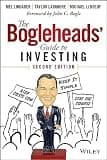
The Bogleheads' Guide to Investing
The friendly community bible of low-cost, buy-and-hold index investing, written by everyday investors rather than salespeople. The core philosophy is timeless for Aussies, just read the tax-advantaged account bits as super.
Girls That Invest
Simran Kaur
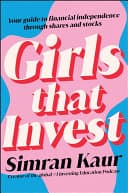
Girls That Invest
A no-jargon crash course from the podcaster behind Girls That Invest that makes the sharemarket feel doable, written especially for women starting out. The perfect first step before you buy your first ETF.
Some links above are affiliate links. If you buy through them, Snowball Invest may earn a small commission at no extra cost to you. We only recommend books we'd suggest anyway.
Sources
- Vanguard Australia, VGE fund page and PDS
- ASX VGE product page
- ASIC Moneysmart, exchange-traded funds (ETFs)
- ATO, foreign income tax offset
- ATO, capital gains tax
General information only, not personal financial advice, and it does not take your situation into account. Fees, holdings and distributions are approximate and change, so always read the current Vanguard VGE fact sheet and PDS before investing. Past performance is not an indication of future performance.
Was this article useful?
Put it to your own numbers
Every calculator runs entirely in your browser, with nothing stored. See what these numbers look like for your own situation.
Try the Net Fees calculator →General information only. This article is educational and does not constitute personal financial advice. It does not account for your circumstances. Consider your own situation and seek advice from a licensed adviser before acting. Read our full disclaimer.

Timothy Hirou Gaschereau
Founder of Snowball Invest, not a financial adviser.
I write about what I'm learning myself, because nobody ever taught us how to take control of our own money. It's a skill, not a mystery, and it's never too late to learn it. The best day to start was yesterday, the second best is today.
LinkedIn →Related articles
VGAD ETF Australia: Hedged Global Shares, and Is It Worth It?
VGAD is Vanguard's hedged international shares ETF. How currency hedging works, VGAD vs VGS, the fees, distributions, and where it fits in a portfolio.
VDHG: The Complete Guide to Vanguard's All-in-One ETF
A plain-English guide to VDHG, Vanguard's all-in-one ASX ETF: fees, holdings, the tax drag, performance, and how it stacks up against DHHF and a DIY VAS + VGS portfolio.

VGS ETF: The Complete Guide to Vanguard's International Shares ETF
A plain-English deep dive into VGS, Vanguard's international shares ETF: what it holds, the 0.18% fee, the ~70% US weighting, no franking, and how it compares to VAS, BGBL, VGAD and IVV.