

VGAD ETF Australia: Hedged Global Shares, and Is It Worth It?
VGAD is Vanguard's hedged international shares ETF. How currency hedging works, VGAD vs VGS, the fees, distributions, and where it fits in a portfolio.
 By Timothy Hirou GaschereauPublished
 7 min read
VGAD gives you the same basket of global companies as VGS, but with the currency risk stripped out. Whether that helps or hurts depends entirely on where the Australian dollar heads next, and if you knew that reliably you would not need this article. Here is what VGAD actually does, how hedging works in plain English, and how to think about the VGAD vs VGS decision. This is part of our wider getting started with investing guide on Snowball Invest. General information only, not personal financial or tax advice. Figures are from Vanguard and the ASX and are subject to change.
Quick answer
VGAD is the Vanguard MSCI Index International Shares (Hedged) ETF (ASX: VGAD). It tracks the same index as VGS, the MSCI World ex-Australia, but hedges currency movements back to the Australian dollar. Its fee is roughly 0.21% a year, slightly above VGS at around 0.18%, because hedging costs money. When the AUD rises, VGAD tends to beat VGS. When the AUD falls, VGS tends to win.
In this guide
- →What VGAD is and the index it tracks
- →How currency hedging works, in plain English
- →VGAD vs VGS, and when hedging helps or hurts
- →Distributions, tax and where VGAD fits
- →How to buy it on the ASX
🌏 What is VGAD?
🎯 The essential: VGAD is the ASX ticker for the Vanguard MSCI Index International Shares (Hedged) ETF. It holds the same roughly 1,200 plus developed-market companies as VGS, but uses currency forwards to hedge the foreign exchange exposure back to Australian dollars.
You are getting exposure to companies like Apple, Microsoft, NVIDIA and JPMorgan across developed markets, the US, Europe, Japan, the UK and Canada, all in one trade. The management fee is roughly 0.21% a year (source: Vanguard, subject to change), a touch higher than the unhedged VGS at around 0.18%. That small difference is essentially the cost of the hedging program.
🔁 How currency hedging works
When you buy a global shares ETF you are doing two things at once: buying foreign companies, and taking on foreign currency exposure. With an unhedged fund, your AUD return combines how the shares did AND how the AUD moved. If the AUD falls, your foreign assets are worth more in AUD, a tailwind. If the AUD rises, they are worth less, a headwind.
VGAD uses currency forward contracts to neutralise that effect, so your return reflects the local-currency performance of the shares rather than the AUD's swings. Hedging is not free, which is why VGAD's fee sits slightly above VGS.
🥊 VGAD vs VGS
Both funds track the same index and hold the same companies. The only structural difference is currency treatment, but that difference can produce meaningfully different returns in any given year.
| VGAD | VGS | |
|---|---|---|
| Index | MSCI World ex-Australia | MSCI World ex-Australia |
| Currency | Hedged to AUD | Unhedged |
| Management fee | ~0.21% | ~0.18% |
| Best when | AUD rises or stays strong | AUD falls or stays weak |
Hedging helps when the AUD is rising, because unhedged investors lose some of their global returns to the conversion. It hurts when the AUD is falling, because unhedged investors get a free currency boost that VGAD hedges away. Over long periods the AUD tends to mean-revert, which is why many long-term investors default to unhedged VGS or split the difference. For the full mechanics, see our hedged vs unhedged guide. Past performance is not a guide to the future, and which fund won recently just tells you where the AUD went, not where it will go.
📈 Compound Interest Calculator
Currency calls are a coin toss, but fees and time in the market are not. Model how small differences compound over decades.
🪙 Distributions and tax
VGAD pays distributions, typically quarterly, from the dividends of the underlying companies. There are no franking credits, because the holdings are foreign. Distributions can be lumpier than the unhedged version, since hedging gains and losses can flow through alongside the dividends. Distributions are assessable income in the year you receive them, and the tax treatment of hedging can be complex, so talk to a registered tax agent about your situation.
🧩 Where VGAD fits
VGAD is the global slice, not a whole portfolio. It slots in as a direct swap for VGS, for example an Australian shares fund like VAS plus VGAD instead of VAS plus VGS. Some investors hold both VGS and VGAD, say half and half, for partial hedging without a full currency call. It suits investors who think the AUD will strengthen, who want more predictable AUD returns, or who are closer to drawing down and find currency swings stressful.
🛒 How to buy VGAD
VGAD is listed on the ASX, so you can buy it through any Australian broker with ASX access, such as CommSec, Pearler, Stake or SelfWealth. Search the ticker VGAD and buy units like any share. Brokerage fees and minimums vary by platform.
SnowLetter
Australia's money news and our best reads, once a week.
❓ Frequently asked questions
What is the difference between VGAD and VGS?
+
Both track the MSCI World ex-Australia Index and hold the same global companies. The difference is currency treatment. VGS is unhedged, so your AUD returns include the movement of the AUD against foreign currencies. VGAD hedges that away, so returns are driven more by the underlying shares. VGS has a slightly lower fee, around 0.18% versus VGAD near 0.21% (subject to change).
Is currency hedging worth it for Australian investors?
+
It depends on where the AUD goes, and nobody knows that reliably. Hedging helps when the AUD rises and hurts when it falls. Over long periods the AUD tends to mean-revert, which is why many long-term investors stay unhedged or split their allocation. There is no objectively correct answer.
What is VGAD's management fee?
+
VGAD's management fee is roughly 0.21% a year at the time of writing (source: Vanguard, subject to change). That is a touch higher than the unhedged VGS at around 0.18%, which reflects the cost of the hedging program. Always check the current figure on the Vanguard fund page.
Does VGAD pay dividends?
+
Yes, VGAD pays distributions, typically quarterly, from the dividends of the underlying global companies. There are no franking credits because the holdings are foreign. Distributions can be lumpier than the unhedged version, because hedging gains and losses can flow through alongside the dividends.
Can I hold both VGAD and VGS?
+
Yes. Some investors hold both, for example half and half, to get partial hedging without making a full call on the AUD. Because they track the same index, holding both gives you the same underlying companies with different currency treatments applied to each portion.
📚 Recommended reading
The Simple Path to Wealth
JL Collins
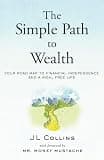
The Simple Path to Wealth
The friendliest on-ramp to index investing there is, born from letters a dad wrote his daughter. It makes 'buy the whole market and chill' feel obvious, just map his US fund picks onto Aussie equivalents and super.
The Barefoot Investor
Scott Pape
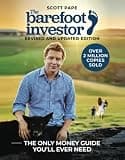
The Barefoot Investor
Australia's best-selling money book ever. A simple system for accounts, budgeting, debt and a real emergency fund in one.
The Little Book of Common Sense Investing
John C. Bogle
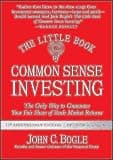
The Little Book of Common Sense Investing
From the man who invented the index fund, this is the short, sharp case for low-cost investing that has aged like fine wine. The maths on fees is universal, just think ETFs and super instead of his US funds.
Some links above are affiliate links. If you buy through them, Snowball Invest may earn a small commission at no extra cost to you. We only recommend books we'd suggest anyway.
Sources
- 1. Vanguard MSCI Index International Shares (Hedged) ETF (VGAD), Vanguard Australia
- 2. VGAD product page, Australian Securities Exchange
- 3. Vanguard MSCI Index International Shares ETF (VGS), Vanguard Australia
- 4. Exchange-traded funds (ETFs), Moneysmart, Australian Securities and Investments Commission
Was this article useful?
Put it to your own numbers
Every calculator runs entirely in your browser, with nothing stored. See what these numbers look like for your own situation.
Explore the calculators →General information only. This article is educational and does not constitute personal financial advice. It does not account for your circumstances. Consider your own situation and seek advice from a licensed adviser before acting. Read our full disclaimer.

Timothy Hirou Gaschereau
Founder of Snowball Invest, not a financial adviser.
I write about what I'm learning myself, because nobody ever taught us how to take control of our own money. It's a skill, not a mystery, and it's never too late to learn it. The best day to start was yesterday, the second best is today.
LinkedIn →Related articles

BGBL ETF Australia: Betashares' Global Shares Fund Explained
BGBL is Betashares' ultra low cost global shares ETF tracking around 1,000 companies. What it holds, its 0.08% fee, BGBL vs VGS, dividends and tax.

IWLD ETF Australia: iShares' Global Equity ETF Explained
IWLD is iShares' low cost global shares ETF on the ASX, with an ESG screen built in. What it holds, its 0.09% fee, IWLD vs VGS, and how to buy.

How to Buy Vanguard ETFs in Australia
Ready to invest in Vanguard ETFs? How to buy VAS, VGS, VDHG and more in Australia, step by step, with or without a Vanguard account.