

How to Compare Life Insurance in Australia (A Guide for Families)
Learn how to compare life insurance in Australia: the four cover types, super vs outside super, own vs any occupation TPD, and stepped vs level premiums.
 By Timothy Hirou GaschereauPublished
 13 min read
Life insurance is one of those things most of us know we should sort out, then quietly put off for another month. If you have a mortgage, a partner or kids depending on your income, the stakes are real. But knowing how to compare life insurance in Australia is genuinely tricky: the products are complex, the jargon is thick, and getting it wrong can fall on the people you love most.
This guide cuts through the noise: the four types of cover, the key trade-offs, and a checklist so you go into any comparison with your eyes open. It will not make the decision for you (that is what a licensed financial adviser is for), but it will make sure you are asking the right questions. It is part of our compare and choose series, and it is general information only, not personal advice.
🎯 The essential: “Life insurance” is really four products: life (death) cover, TPD, trauma, and income protection. Many Australians already hold some Life and TPD cover inside their super, but the default amount is often too low. Definitions (own vs any occupation TPD, income protection waiting and benefit periods) matter as much as price. Stepped premiums are cheaper now but climb steeply with age. Because it is complex, a licensed adviser genuinely pays off.
The four types of life insurance (and what each does)
When Australians say “life insurance”, they often mean one of four different products. Understanding what each covers is the foundation of any sensible comparison.
| Cover type | What it pays | When it pays | Usually inside super? |
|---|---|---|---|
| Life (death) cover | Lump sum | On death or terminal illness | Yes |
| TPD cover | Lump sum | On total and permanent disability | Yes (any-occupation only) |
| Trauma / critical illness | Lump sum | On diagnosis of a listed illness | Generally no |
| Income protection | Monthly benefit (up to ~70% of income) | While unable to work through illness or injury | Sometimes, with restrictions |
Trauma cover is the one people forget: it pays out on diagnosis of a serious illness like cancer, heart attack or stroke, whether or not you can still work. Income protection is arguably the most important for working families, because most illnesses and injuries that stop you working are temporary, not permanent.
Inside super vs outside super: the trade-offs
A lot of Australians are surprised to discover they already have some life insurance. If you have a super account, there is a good chance your fund provides default Life and TPD cover automatically, and some funds include income protection too.
| Inside super | Outside super |
|---|---|
| Often cheaper (group rates) | You choose the insurer and features |
| Premiums come from your super, not your pay | Premiums come from your cash flow |
| Default cover often too low | Cover tailored to your actual needs |
| Slowly erodes your retirement balance | Retirement balance untouched |
| Trauma generally not available | Trauma cover available |
| Any-occupation TPD only | Own-occupation TPD available |
For life cover held inside super, the payout does NOT automatically go to your family: the trustee decides unless you have a valid binding death benefit nomination. Check yours, and update it after any big life change (marriage, divorce, a new baby). An outdated nomination can cause serious problems at the worst possible time.
One tax note: income protection premiums paid outside super are generally tax-deductible, which lowers their after-tax cost. See our deeper dives on income protection insurance and holding TPD and income protection together.
Definitions that change everything
Two policies can look identical on price and cover amount but pay out very differently at claim time. The definitions buried in the PDS are where the real differences live.
TPD: own occupation vs any occupation. Own-occupation TPD pays out if you cannot work in your own specific job (a surgeon who loses the use of their hands may qualify even if they could do another job). Any-occupation TPD pays out only if you cannot work in any job you are reasonably suited to by education, training or experience: a much stricter, cheaper test, and the one typically available inside super.
Income protection: waiting and benefit periods. The waiting period (commonly 30, 60 or 90 days) is how long you must be off work before payments start: a longer wait means a lower premium, but you need savings to bridge the gap. The benefit period (2 years, 5 years, or to age 65) is how long payments continue: longer costs more but protects you far better against a serious long-term illness. Our guide on waiting and benefit periods walks through the trade-offs.
One more to know: agreed-value income protection (where the benefit is locked in upfront) is no longer available for new policies since APRA changes in 2020. New policies are indemnity-based, so the benefit is based on your actual income at claim time. If your income has dropped, your benefit may be lower than you expect.
Stepped vs level premiums
You will usually choose between two premium structures, and the choice can cost or save you thousands over the life of a policy.
- Stepped premiums are recalculated each year on your age. Cheaper when you are young, but they rise every year and accelerate later, sometimes to the point where people cancel cover they still need.
- Level premiums are set higher at the start but rise more slowly (not fixed, just gentler). Over 15 to 20 years they can work out cheaper in total.
Neither is universally better. A useful move: ask for a quote showing both structures projected over 10 and 20 years, not just year one. The difference can be eye-opening.
How much cover do you actually need?
Too little leaves your family exposed; too much wastes money. A simple needs analysis:
| Add up what your family needs | Then subtract what you have |
|---|---|
| Outstanding debts, especially the mortgage | Savings and investments |
| Income replacement for your dependants | Your superannuation balance |
| Future costs for the kids (education, care) | Existing cover, inside or outside super |
| Funeral and final expenses ($10k to $20k+) |
This is a starting framework, not a precise formula. And a warning: “no medical questions” direct life and funeral or accidental-death policies can seem convenient but often carry big exclusions, low cover and high premiums. Read the fine print before assuming they are good value.
How to compare life insurance: the checklist
| What to check | What to do |
|---|---|
| Which cover types you need | Not everyone needs all four; match to your life stage |
| What you already have in super | Check the type, amount and TPD definition on your statement |
| Inside, outside, or a mix | Often Life/TPD in super, income protection and trauma outside |
| Definitions | Own vs any occupation TPD; income protection waiting and benefit periods |
| Premium structure over time | Get stepped and level quotes over 10 and 20 years |
| Exclusions | Pre-existing conditions, hobbies, mental health definitions |
| Guaranteed renewable | The insurer cannot cancel if your health changes |
| Get advice | For most families with a mortgage, a licensed adviser pays off |
SnowLetter
Australia's money news and our best reads, once a week.
❓ Frequently asked questions
What are the main types of life insurance in Australia?
+
There are four: life (death) cover, which pays a lump sum on death or terminal illness; TPD cover, which pays a lump sum if you are permanently unable to work; trauma or critical illness cover, which pays a lump sum on diagnosis of a serious illness; and income protection, which pays a monthly benefit if you cannot work due to illness or injury. People often use the phrase to mean all four.
Is life insurance through super better?
+
Not necessarily, and it depends on your situation. Cover inside super is often cheaper and does not affect your take-home pay, but default amounts are frequently too low, trauma cover is generally not available inside super, and premiums slowly erode your retirement balance. Many people hold a combination of inside and outside super cover. A licensed adviser can help you work out the right structure.
What is the difference between own occupation and any occupation TPD?
+
Own occupation TPD pays out if you cannot work in your specific occupation. Any occupation TPD pays out only if you cannot work in any job you are reasonably suited to by education, training or experience. Own occupation is broader and more expensive and generally cannot be held inside super. Any occupation is cheaper and is the definition typically available through super funds.
Should I choose stepped or level premiums?
+
It depends on how long you plan to hold the cover and your current cash flow. Stepped premiums are cheaper now but rise every year. Level premiums cost more upfront but increase more slowly, so they can be cheaper in total if you hold cover for 15 years or more. Ask for quotes projected over 10 and 20 years before deciding.
How much life insurance do I need?
+
A rough starting point: add your outstanding debts (especially the mortgage), income replacement for your dependants, future costs for your kids, and funeral expenses. Then subtract your savings, super balance and any cover you already hold. The gap is roughly what you need. A licensed adviser can run a proper needs analysis tailored to you.
Do I need income protection if I already have TPD cover?
+
They cover different situations. TPD pays a lump sum only if you are permanently and totally disabled. Income protection pays a monthly benefit for temporary or long-term inability to work, which is far more common. For most working Australians with dependants, income protection is arguably the most important cover to have. Consider both.
Keep reading
📚 Recommended reading
The Barefoot Investor
Scott Pape

The Barefoot Investor
Australia's best-selling money book ever. A simple system for accounts, budgeting, debt and a real emergency fund in one.
Making Money Made Simple
Noel Whittaker

Making Money Made Simple
Australia's classic, comprehensive money guide covering tax, super and investing, updated for today.
On Your Own Two Feet
Helen Baker
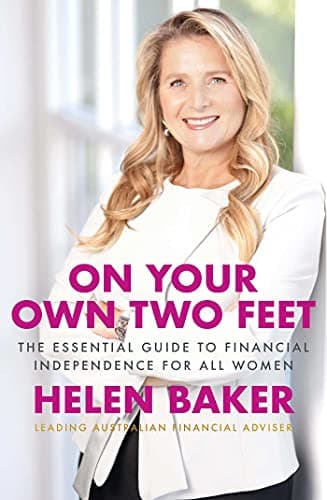
On Your Own Two Feet
An Aussie financial planner's essential guide to money independence for women, covering every life stage from single to separated. Warm, practical and genuinely on your side.
Some links above are affiliate links. If you buy through them, Snowball Invest may earn a small commission at no extra cost to you. We only recommend books we'd suggest anyway.
Sources
This article is general information only and does not constitute personal financial advice. Life insurance is complex and individual circumstances vary. Read the PDS and consider speaking with a licensed financial adviser before making any decisions about your cover.
Was this article useful?
Put it to your own numbers
Every calculator runs entirely in your browser, with nothing stored. See what these numbers look like for your own situation.
Explore the calculators →General information only. This article is educational and does not constitute personal financial advice. It does not account for your circumstances. Consider your own situation and seek advice from a licensed adviser before acting. Read our full disclaimer.

Timothy Hirou Gaschereau
Founder of Snowball Invest, not a financial adviser.
I write about what I'm learning myself, because nobody ever taught us how to take control of our own money. It's a skill, not a mystery, and it's never too late to learn it. The best day to start was yesterday, the second best is today.
LinkedIn →Related articles

Is Life Insurance Tax Deductible in Australia?
Is life insurance tax deductible in Australia? The clear answer, the super exception, how it compares to income protection, and the payout tax to know about.

Do I Need Life Insurance? An Honest Australian Guide
Not everyone needs life insurance. Here is the honest test of who actually needs it in Australia, who probably does not, and how to size a sum insured.

How to Compare Health Insurance in Australia (Without Losing Your Mind)
Learn how to compare health insurance in Australia, understand hospital tiers, avoid the MLS, and decide if extras cover is actually worth it.