

Do I Need Life Insurance? An Honest Australian Guide
Not everyone needs life insurance. Here is the honest test of who actually needs it in Australia, who probably does not, and how to size a sum insured.
 By Timothy Hirou GaschereauPublished
 10 min read
Try it yourself
Here is the honest version most insurance sites will not lead with: not everyone needs life insurance, and if nobody depends on you financially, you may not need much at all. That is not a failure to plan. It is just your actual situation.
The real test has nothing to do with your age or income. It is one question: who would be financially worse off if you died? Let us work through it properly.
🎯 The essential: Life insurance protects other people, not you, so the test is whether anyone would face real financial hardship if you died. People with a mortgage, dependent children, or a partner who relies on their income usually need it; single people with no dependants and no debt often do not. Most working Australians already have some default cover inside super, so check that first, then size a needs-based sum insured. For many, income protection matters more than a lump sum. This is general information, not personal advice.
The core question: who would be worse off?
Life insurance is not really about you. It is about the people who depend on you. So ask: if I died tomorrow, would someone else face real financial hardship? Would a partner struggle to pay the mortgage? Would your kids lose years of support? Would a business partner be left with a debt you personally guaranteed?
If yes, life insurance is worth taking seriously. If no, because you are single, have no dependants, and carry no debt that would fall on anyone else, you genuinely may not need much cover. The industry has an incentive to make everyone feel underinsured. This guide does not.
Who typically does need life insurance
- People with a mortgage. A home loan does not die with you. A joint co-borrower stays liable for the whole debt, and if they could not service it alone, that is a serious risk.
- Parents with dependent children. Kids need support for years. Income replacement of 5 to 10 years is a common starting point.
- A partner who relies on your income. One-income households carry concentrated risk.
- Stay-at-home parents. No salary, but their unpaid work would cost $30,000 to $50,000+ a year to replace commercially.
- Business owners with debts or personal guarantees that could follow their estate.
- Anyone with large joint debts (car loans, personal loans) where a co-borrower is exposed.
Who often does not need much (or any)
Being honest here matters, because overselling insurance does real harm:
- Single people with no dependants and no shared debt. Nobody faces hardship from your death. A small amount for funeral costs is the most you would justify.
- Financially independent people with enough assets to cover debts and dependants, effectively self-insured.
- Retirees with grown kids, no mortgage, and adequate super are often paying for cover they no longer need.
- Children, who have no income to replace and no dependants.
Check what you already have in super first
Before buying anything, check your super. Most working Australians already have default life and TPD cover, usually from age 25 with a balance of at least $6,000, often with no medical checks. It is one of the most overlooked facts in personal finance.
Default cover is a starting point, not a solution: the sum insured is often just a few hundred thousand dollars, which can fall well short for a family with a $600,000 mortgage. And by law, super funds cancel insurance on accounts with no contributions for 16 months, so cover on an old dormant account may already have lapsed. Check the number, do not just confirm cover exists. Our insurance through super vs standalone guide compares the trade-offs.
How to size a rough sum insured
A needs-based figure beats a round number. Add up what you want covered, then subtract what you already have:
| Component | Amount |
|---|---|
| Mortgage payoff | $600,000 |
| Income gap (8 years x $50,000) | $400,000 |
| Education and final costs | $50,000 |
| Total gross need | $1,050,000 |
| Less existing super cover | -$150,000 |
| Approximate extra cover needed | $900,000 |
Your number will depend on your debts, income, family, and assets. Our how much life insurance do you need guide and the Moneysmart calculator walk it through. And remember: for many working people, income protection matters more than a lump sum, because being unable to work is statistically far more likely than dying young.
How your need changes by life stage
Life insurance need is not static. It builds to a peak and then falls away:
| Life stage | Typical need | Key consideration |
|---|---|---|
| Young and single, no debt | Low | Check super default cover; income protection worth it |
| Couple, mortgage, no kids | Moderate to high | The mortgage is the main risk; both partners covered |
| Family, mortgage, young kids | High | The largest need: income replacement for many years |
| Empty nesters, mortgage nearly paid | Low to moderate | Reassess, you may be over-insured |
| Retirees, no mortgage, adequate super | Low or nil | Self-insurance often enough; review and reduce |
Life events that should trigger a review
Do not set and forget. Review your cover when something significant changes:
- Buying a home, or paying off the mortgage.
- Having a baby, or kids becoming financially independent.
- Marriage, a de facto relationship, separation or divorce (update your nominations immediately).
- Starting a business or taking on personal guarantees.
- A significant pay rise, or approaching retirement.
Frequently asked questions
Do I need life insurance if I have no dependants?
+
Probably not much. If you are single with no dependants and no shared debt, nobody faces financial hardship from your death, so a large policy is hard to justify. You might want a small amount for funeral costs, but income protection is usually the more relevant product for single working Australians.
How much life insurance do I need in Australia?
+
There is no universal number. A needs-based calculation is most reliable: add your debts, estimate the income replacement your dependants would need (often 5 to 10 years), add funeral and education costs, then subtract your existing super, existing cover, and other assets. The worked example below shows it.
Do I already have life insurance through my super?
+
Quite likely, if you are 25 or older with a balance of at least $6,000, because most funds provide default life and TPD cover to eligible members. Check your fund's member portal or annual statement, or call your fund, before buying anything new.
Is life insurance inside super enough?
+
For some people yes, for others no. Default cover is a starting point, not a complete solution, and for a family with a big mortgage and young kids it is often well below what is actually needed. Check the number and compare it against a needs-based calculation.
Is life insurance tax deductible in Australia?
+
It depends on the type and how it is held. Income protection premiums paid outside super are generally deductible; life and TPD premiums paid personally outside super are not. Cover held inside super is paid from your super balance and handled at the fund level. See our dedicated guide on life insurance and tax for detail.
What happens to my life insurance if I change jobs?
+
Cover inside super is attached to your super account, not your employer. If you keep the same fund and contributions continue, cover continues. If you switch funds or an old account goes inactive, cover there can lapse, so always check insurance before closing or consolidating super accounts.
When should I review my life insurance?
+
At least once a year, and whenever a major life event happens: buying a home, having a child, marrying, separating, starting a business, or approaching retirement. Your need changes a lot over time, and a policy that fit at 30 may be too much or too little at 45.
Keep reading
Books worth reading
📚 Recommended reading
The Barefoot Investor
Scott Pape

The Barefoot Investor
Australia's best-selling money book ever. A simple system for accounts, budgeting, debt and a real emergency fund in one.
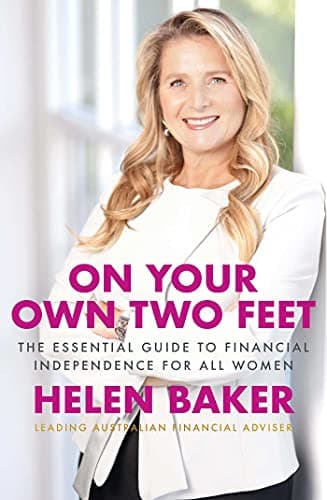
On Your Own Two Feet
Helen Baker
On Your Own Two Feet
An Aussie financial planner's essential guide to money independence for women, covering every life stage from single to separated. Warm, practical and genuinely on your side.
Making Money Made Simple
Noel Whittaker

Making Money Made Simple
Australia's classic, comprehensive money guide covering tax, super and investing, updated for today.
Some links above are affiliate links. If you buy through them, Snowball Invest may earn a small commission at no extra cost to you. We only recommend books we'd suggest anyway.
Sources
- ASIC Moneysmart, how life insurance works
- ASIC Moneysmart, insurance through super
- ASIC Moneysmart, income protection insurance
- ATO, YourSuper comparison tool
General information only, not personal financial advice. It does not take your circumstances into account. Consider a licensed financial adviser before acting, and read the relevant Product Disclosure Statement.
Was this article useful?
Put it to your own numbers
Every calculator runs entirely in your browser, with nothing stored. See what these numbers look like for your own situation.
Try the Life Insurance calculator →General information only. This article is educational and does not constitute personal financial advice. It does not account for your circumstances. Consider your own situation and seek advice from a licensed adviser before acting. Read our full disclaimer.

Timothy Hirou Gaschereau
Founder of Snowball Invest, not a financial adviser.
I write about what I'm learning myself, because nobody ever taught us how to take control of our own money. It's a skill, not a mystery, and it's never too late to learn it. The best day to start was yesterday, the second best is today.
LinkedIn →Related articles

Is Life Insurance Tax Deductible in Australia?
Is life insurance tax deductible in Australia? The clear answer, the super exception, how it compares to income protection, and the payout tax to know about.

How Does Life Insurance Work in Australia?
How life insurance actually works in Australia: how premiums are set, stepped vs level, inside vs outside super, beneficiary nominations, and how a claim is paid.

How to Compare Life Insurance in Australia (A Guide for Families)
Learn how to compare life insurance in Australia: the four cover types, super vs outside super, own vs any occupation TPD, and stepped vs level premiums.