

Is Life Insurance Tax Deductible in Australia?
Is life insurance tax deductible in Australia? The clear answer, the super exception, how it compares to income protection, and the payout tax to know about.
 By Timothy Hirou GaschereauPublished
 9 min read
Most of us assume every insurance premium is claimable at tax time. It is not. Whether life insurance is tax deductible in Australia depends entirely on the type of cover you hold and how you hold it, and getting it wrong in either direction quietly costs you money.
The short version: if you pay for life insurance (death cover) personally, outside super, you cannot claim a deduction. But there are real exceptions worth knowing, and one of them puts hundreds of dollars back in your pocket.
🎯 The essential: Personal life insurance (death cover), TPD, and trauma premiums held outside super are not tax deductible. Income protection held outside super generally is deductible, because it replaces your income, though the payout is then taxable. Life and TPD cover held inside super is not claimed by you personally, but the fund can claim it at the 15% super rate, which is often more cash-flow friendly. A death benefit from a personal policy is usually tax-free, but a super death benefit paid to a non-tax-dependant can be taxed. This is general information, not personal tax advice.
The short answer: life insurance is not deductible
Personal life insurance premiums are not tax deductible in Australia. The ATO is clear on this: you cannot claim a deduction for premiums on a life insurance policy (death cover), a trauma policy (critical illness), or a TPD (total and permanent disability) policy held personally outside super.
The logic is simple. These policies pay a lump sum to you or your family. The payout does not replace assessable income, so the ATO treats the premium as a personal expense, not an income-earning one. The same rule catches TPD cover: many people assume it is deductible because it feels income-related, but because the payout is a lump sum rather than ongoing income replacement, it is not. Trauma cover follows the same rule, and adds a twist we cover below: it generally is not available inside super at all.
The big exception: income protection
Here is where the picture flips. Income protection insurance held outside super is generally tax deductible in Australia. Why? Because it replaces your assessable income if you cannot work due to illness or injury. The premium is directly connected to earning income, so the ATO allows the deduction, the same principle that makes other work-related expenses claimable.
The catch is symmetry: because you claimed a deduction on the way in, any benefit payment you receive from an income protection policy is taxable income on the way out. You declare it just like salary. A few practical points:
- Only the income-protection portion of a bundled premium is deductible. If a policy also includes life cover, you can only claim the income protection component.
- If your income protection is held inside super and paid from your balance, you personally cannot claim it. The fund handles the deduction.
- Keep your annual premium statement to substantiate the claim.
For the full detail on calculating the claimable portion, see our guide on whether income protection is tax deductible.
Life cover inside super: the tax-effective route
Holding life and TPD cover inside your super fund is the most common approach in Australia, and there is a good tax reason for it. You do not claim a deduction on your own return. Instead the fund pays the premiums from your balance and can claim the deduction at the fund level, where super is taxed at just 15%. Because concessional contributions (employer and salary-sacrifice) are made from pre-tax money, the effective cost of insuring inside super is often lower than paying the same premium from your after-tax take-home pay.
It is not all upside though. The trade-offs are real:
- Premiums erode your retirement balance. Every dollar of premium is a dollar that is not compounding for retirement. Over 20 to 30 years, that adds up.
- Trauma cover generally is not available inside super, because of the conditions-of-release rules. If you want trauma cover, you hold it personally.
- Death benefits to a tax-dependant are generally tax-free. A spouse, a child under 18, or a financial dependant receives it with no tax.
- Death benefits to a non-tax-dependant can be taxed. If your super death benefit goes to an adult child or sibling, the taxable component is taxed at 15% plus the Medicare levy (about 17% effective).
- Nominations matter. A binding death benefit nomination controls who gets your super. Without one, the trustee decides.
We compare the two structures in detail in life insurance through super and insurance through super vs standalone.
Key-person and business life insurance
If you run a business, it gets more nuanced. Key-person insurance covers the business against the financial loss of losing a critical person, and the ATO's position depends on the purpose of the cover:
- Revenue purpose: if the policy replaces lost business income (for example, revenue lost if a key salesperson dies), the premiums may be deductible, and the payout is then generally assessable income to the business.
- Capital purpose: if the policy funds a capital event (buying out a deceased partner's share, or repaying a business loan), the premiums are generally not deductible, and the payout may not be assessable.
This is genuinely complex, and getting the classification wrong has real consequences. If you hold any business-owned life cover, read our key-person insurance guide and talk to a registered tax agent before lodging. This is not an area to guess on.
Are life insurance payouts taxed?
This is the other half of the question. In plain English:
- Personal death cover payout (outside super): generally tax-free to the beneficiary. The family receives the lump sum without a tax bill.
- TPD and trauma payouts from personal policies: generally tax-free.
- Income protection payouts: taxable income, because you claimed the premiums.
- Super death benefit to a tax-dependant (spouse, child under 18, financial dependant): generally tax-free.
- Super death benefit to a non-tax-dependant (adult children, siblings): the taxable component is taxed at 15% plus the Medicare levy (about 17% effective). The tax-free component is not taxed.
The catch that trips people up sits inside super: a death benefit paid to an adult child is not tax-free the way a payout from a personal policy is. If your likely beneficiaries are non-dependants, that 17% on the taxable component belongs in your estate planning, not as a surprise for your family later.
Deductibility and payout tax at a glance
| Cover type | Deductible outside super? | Deductible inside super? | Payout taxable? |
|---|---|---|---|
| Life insurance (death cover) | No | Yes, to the fund at 15% | Generally no (super benefit to a non-dependant can be taxed) |
| TPD insurance | No | Yes, to the fund at 15% | Generally no (same super caveat) |
| Trauma / critical illness | No | Not available inside super | Generally no |
| Income protection | Yes | Yes, to the fund at 15% | Yes, payout is income |
What to do at tax time
- Claim income protection at the right spot. If it is held outside super, claim it at the income protection item on your return, and keep the premium statement. myTax guides you through it.
- Do not try to claim life or TPD cover held inside super. The fund handles that deduction; there is nothing on your personal return.
- Check your super statement. It shows exactly how much is being deducted for insurance each year. Many people are surprised by the figure.
- Review your beneficiary nominations. If a non-dependant could receive your super death benefit, factor in the 17% on the taxable component.
- If you run a business, get advice before lodging. Key-person treatment depends on the policy's purpose and structure.
Frequently asked questions
Is life insurance tax deductible in Australia?
+
No, not for most people. Personal life insurance (death cover) premiums held outside super are not tax deductible in Australia. The ATO does not allow a deduction because the payout is a personal benefit, not a replacement for assessable income. The main exception is income protection insurance, which generally is deductible.
Can I claim life insurance premiums on my tax return?
+
Generally no, if you mean death cover, TPD, or trauma insurance held personally. You can claim income protection insurance premiums, provided the policy is held outside super and covers loss of income. Keep your annual premium statement as evidence.
Is income protection insurance tax deductible?
+
Yes, income protection held outside super is generally tax deductible in Australia, because the policy replaces assessable income. The trade-off is that any benefit payments you receive are taxable income and must be declared on your return.
Is TPD insurance tax deductible?
+
No. TPD insurance premiums held personally outside super are not tax deductible. If your TPD cover is held inside super, the fund can claim a deduction at the fund level, but you personally cannot claim it on your individual return.
Is life insurance inside super tax deductible?
+
Not for you personally. When life or TPD cover is held inside super, the fund pays the premiums from your balance and can claim a deduction at the fund level (super is taxed at 15%). You do not claim anything on your own return for those premiums, but the arrangement is often more cash-flow friendly.
Is a life insurance payout taxable in Australia?
+
It depends on how the policy is held. A payout from a personally held life policy (outside super) is generally tax-free. An income protection payout is taxable income. A super death benefit paid to a tax-dependant (spouse, child under 18, financial dependant) is generally tax-free, but a super death benefit paid to a non-tax-dependant can be taxed on the taxable component at 15% plus the Medicare levy.
Can a super death benefit be taxed?
+
Yes, in some cases. If a super death benefit is paid to a non-tax-dependant (such as an adult child or sibling), the taxable component is taxed at 15% plus the Medicare levy, an effective rate of about 17%. The tax-free component is not taxed, and benefits paid to tax-dependants like a spouse or a child under 18 are generally tax-free.
Keep reading
Books worth reading
📚 Recommended reading
The Barefoot Investor
Scott Pape

The Barefoot Investor
Australia's best-selling money book ever. A simple system for accounts, budgeting, debt and a real emergency fund in one.
On Your Own Two Feet
Helen Baker
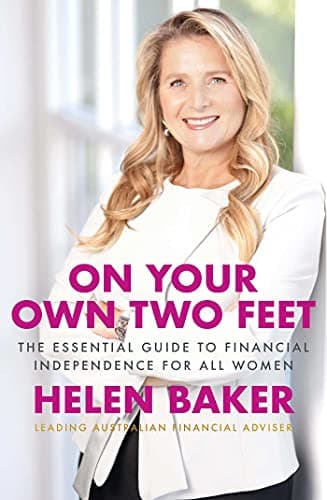
On Your Own Two Feet
An Aussie financial planner's essential guide to money independence for women, covering every life stage from single to separated. Warm, practical and genuinely on your side.
Making Money Made Simple
Noel Whittaker

Making Money Made Simple
Australia's classic, comprehensive money guide covering tax, super and investing, updated for today.
Some links above are affiliate links. If you buy through them, Snowball Invest may earn a small commission at no extra cost to you. We only recommend books we'd suggest anyway.
Sources
- ATO, life insurance and tax
- ATO, income protection insurance deductions
- ATO, super death benefits
- ASIC Moneysmart, how life insurance works
General information only, not personal financial or tax advice. It does not take your circumstances into account, and tax rules can change. Consider a registered tax agent or licensed financial adviser before acting.
Was this article useful?
Put it to your own numbers
Every calculator runs entirely in your browser, with nothing stored. See what these numbers look like for your own situation.
Explore the calculators →General information only. This article is educational and does not constitute personal financial advice. It does not account for your circumstances. Consider your own situation and seek advice from a licensed adviser before acting. Read our full disclaimer.

Timothy Hirou Gaschereau
Founder of Snowball Invest, not a financial adviser.
I write about what I'm learning myself, because nobody ever taught us how to take control of our own money. It's a skill, not a mystery, and it's never too late to learn it. The best day to start was yesterday, the second best is today.
LinkedIn →Related articles

Do I Need Life Insurance? An Honest Australian Guide
Not everyone needs life insurance. Here is the honest test of who actually needs it in Australia, who probably does not, and how to size a sum insured.

How Does Life Insurance Work in Australia?
How life insurance actually works in Australia: how premiums are set, stepped vs level, inside vs outside super, beneficiary nominations, and how a claim is paid.

How to Compare Life Insurance in Australia (A Guide for Families)
Learn how to compare life insurance in Australia: the four cover types, super vs outside super, own vs any occupation TPD, and stepped vs level premiums.