

How Does Life Insurance Work in Australia?
How life insurance actually works in Australia: how premiums are set, stepped vs level, inside vs outside super, beneficiary nominations, and how a claim is paid.
 By Timothy Hirou GaschereauPublished
 11 min read
Try it yourself
Life insurance sounds complicated, but the engine is simple: you pay a premium, and if the worst happens, your family gets a lump sum. Everything else is detail about how that engine is priced, held, and paid out. Once you see the moving parts, it stops feeling like a black box.
Here is how life insurance actually works in Australia, in plain English, from premium to claim.
🎯 The essential: You pay a premium (monthly or yearly) and the insurer pays a lump sum, the sum insured, to your beneficiaries if you die or are diagnosed with a terminal illness. Premiums depend on age, health, smoking, occupation, cover amount, and whether they are stepped (start low, rise steeply) or level (start higher, rise slowly). You can hold cover inside super (paid from your balance) or outside (paid from your pocket), with different tax and nomination rules. Most valid claims are paid. This is general information, not personal advice.
The basic mechanic
The whole thing in two sentences: you pay a premium to a life insurer, and in return, if you die (or are diagnosed with a terminal illness, generally with less than 12 months to live), the insurer pays a lump sum called the sum insured to your nominated beneficiaries or your estate.
It is also called term life or death cover. It is not an investment: there is no cash value that builds up. You pay for protection, and if the event never happens, the premiums were simply the cost of that safety net. For the basics of what it covers, see what life insurance is.
How your premium is set
Premiums are not random. Insurers price on a fairly predictable set of factors:
- Age is the biggest driver: older applicant, higher premium.
- Health history and current health, including any medical tests.
- Smoking status: smokers often pay 50 to 100% more.
- Occupation: a desk job is cheaper to cover than a high-risk trade.
- Sum insured: more cover, more premium.
- Premium type: stepped or level.
That last one, stepped vs level, is one of the most important choices you make. Stepped premiums recalculate each year with your age: cheap early, but they climb steeply in your 50s and 60s. Level premiums cost more upfront but rise far more slowly, so over a long hold they often work out cheaper overall.
If you only need cover for a defined stretch (until the mortgage is gone, or the kids are grown), stepped can be fine. If you expect to hold cover for 20 years or more, level often wins.
Inside super vs outside super
You can hold life cover through your super fund or through a policy outside super. Both work, but the rules differ:
| Feature | Inside super | Outside super |
|---|---|---|
| Who pays the premium | Deducted from your super balance | You pay from after-tax income |
| Effect on retirement | Quietly erodes your balance | No effect on super |
| Beneficiary nomination | Via the fund trustee (binding or non-binding) | Nominated directly on the policy |
| Tax on payout | Tax-free to a tax dependant; taxable component may be taxed for non-dependants | Generally tax-free to anyone |
| Default cover | Often automatic when you join | None, you apply for what you need |
| Trauma cover | Generally not available | Available |
Cover inside super is cash-flow friendly and often already there by default, which is why checking your statement is the honest first step. But it can lapse if contributions stop, and payouts to non-dependants can be taxed. We compare the two in life insurance through super, and the deductibility angle in is life insurance tax deductible.
Choosing a sum insured and beneficiaries
There is no single right number, but a common framework is:
- Clear debts: cover the mortgage and personal loans in full.
- Replace income: multiply annual income by 5 to 10 years, depending on how long your dependants would need support.
- Future costs: children's education, childcare, and final expenses.
Add those up, subtract assets your family could draw on, and you have a rough figure. A needs-based number beats a round one, and our how much life insurance do you need guide walks it through.
Nominations are the step people rush and later regret. A binding nomination sends the money exactly where you say (most binding nominations inside super expire every three years, so diarise a review). A non-binding nomination is only a guide the trustee can override. ASIC found almost 60% of super members had nobody nominated at all, which is exactly how a payout ends up somewhere you did not intend.
How a claim actually works
The process is more straightforward than most people expect:
- Notify the insurer or super fund as soon as practicable after the death or diagnosis.
- Request a claims pack with the forms and document checklist.
- Gather documents: certified death certificate, proof of the claimant's identity, the policy document if available, the claim form, and for terminal illness, reports from two treating doctors.
- Submit everything and keep copies of all correspondence.
- Assessment: the insurer checks the policy is in force and the cause is not excluded, and may request more records.
- Decision and payment: if approved, the sum insured is paid to the beneficiary (or the fund trustee). Straightforward claims often settle in 2 to 6 weeks.
APRA and ASIC publish claims and disputes data each year, and the industry pays the vast majority of claims. A fund's or insurer's claims paid ratio is a useful signal, though declines are usually about non-disclosure or exclusions, not bad faith.
What can affect your claim
- Your duty to take reasonable care. Since October 2021 the standard for consumer policies is the duty to take reasonable care not to make a misrepresentation. Answer every application question honestly; misrepresenting your health or smoking status can let the insurer reduce, deny, or void a claim.
- Exclusions. Common ones include suicide within the first 13 months, death from a criminal act, and specific pre-existing conditions excluded at application. Read the Product Disclosure Statement before you sign.
- Waiting and qualifying periods. Some conditions have a wait before cover applies, and terminal illness claims need two medical opinions confirming a 12-month prognosis.
How life insurance fits with the other covers
Life cover is one of four main personal insurances, each filling a different gap:
- Life insurance (death cover): a lump sum on death or terminal illness.
- TPD: a lump sum if you become permanently unable to work (the "any occupation" vs "own occupation" definition matters a lot).
- Trauma: a lump sum on diagnosis of a serious illness like cancer or a heart attack, whether or not you survive. Generally not available inside super.
- Income protection: a monthly benefit (usually up to 70% of income) if illness or injury stops you working. For many working people this matters more than a lump sum.
Most people with dependants benefit from life cover and income protection at a minimum, with TPD and trauma as important extra layers.
Frequently asked questions
How does life insurance pay out in Australia?
+
When a valid claim is made, the insurer pays the sum insured as a lump sum to the nominated beneficiaries, or to the super fund trustee if the policy is held inside super. For policies outside super the insurer pays beneficiaries directly, bypassing the estate. For terminal illness claims the payout typically happens while the insured is still alive, once two treating doctors confirm a prognosis of 12 months or less.
Do I already have life insurance through my super fund?
+
Quite possibly. Most members of a large super fund have some default life (and often TPD) cover automatically applied to their account. Check your latest super statement or log in to your fund's portal. The default amount may not be enough for your situation, but it is a starting point and it means checking what you have should come before buying more.
What is the difference between stepped and level premiums?
+
Stepped premiums are recalculated each year based on your age, so they start low and rise steadily, often sharply in your 50s and 60s. Level premiums are set higher upfront but rise much more slowly. If you plan to hold cover for a long time, level premiums often cost less in total; for a shorter need, stepped can be cheaper.
Are life insurance payouts taxed in Australia?
+
It depends where the policy is held. Payouts from a policy outside super are generally tax-free for the beneficiary. Payouts from a policy inside super are tax-free to a tax dependant (spouse, child under 18, financial dependant), but the taxable component may be taxed if paid to a non-dependant such as an adult child. See the ATO's guidance on super death benefits for current rates.
What documents are needed to make a life insurance claim?
+
Typically a certified copy of the death certificate, proof of the claimant's identity, a completed claim form provided by the insurer, and the original policy document if available. Terminal illness claims usually need medical reports from two treating doctors. The insurer provides a full checklist in their claims pack.
Can a life insurance claim be denied?
+
Yes, though the industry pays the large majority of claims. The most common reasons for a decline are non-disclosure at application and policy exclusions (such as suicide within the first 13 months). If you believe a claim was wrongly declined, you can lodge a complaint with the Australian Financial Complaints Authority (AFCA).
How much life insurance do I need?
+
A common starting point is to add up your debts (mortgage, personal loans), multiply your annual income by 5 to 10 years as an income-replacement figure, and add foreseeable future costs like children's education, then subtract assets your family could draw on. A needs-based figure beats a round number, and a licensed adviser can run a proper analysis.
Keep reading
Books worth reading
📚 Recommended reading
The Barefoot Investor
Scott Pape

The Barefoot Investor
Australia's best-selling money book ever. A simple system for accounts, budgeting, debt and a real emergency fund in one.
On Your Own Two Feet
Helen Baker
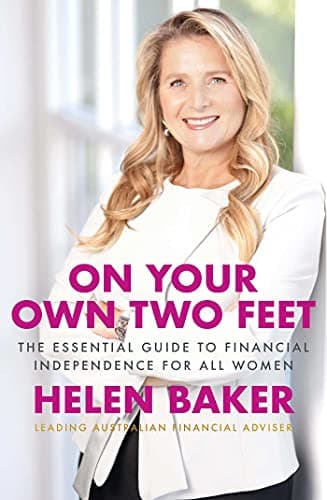
On Your Own Two Feet
An Aussie financial planner's essential guide to money independence for women, covering every life stage from single to separated. Warm, practical and genuinely on your side.
Making Money Made Simple
Noel Whittaker

Making Money Made Simple
Australia's classic, comprehensive money guide covering tax, super and investing, updated for today.
Some links above are affiliate links. If you buy through them, Snowball Invest may earn a small commission at no extra cost to you. We only recommend books we'd suggest anyway.
Sources
- ASIC Moneysmart, life insurance cover
- ATO, tax on super death benefits
- APRA, life insurance claims and disputes statistics
- AFCA, Australian Financial Complaints Authority
General information only, not personal financial advice. It does not take your circumstances into account. Read the relevant Product Disclosure Statement and consider a licensed financial adviser before acting.
Was this article useful?
Put it to your own numbers
Every calculator runs entirely in your browser, with nothing stored. See what these numbers look like for your own situation.
Try the Life Insurance calculator →General information only. This article is educational and does not constitute personal financial advice. It does not account for your circumstances. Consider your own situation and seek advice from a licensed adviser before acting. Read our full disclaimer.

Timothy Hirou Gaschereau
Founder of Snowball Invest, not a financial adviser.
I write about what I'm learning myself, because nobody ever taught us how to take control of our own money. It's a skill, not a mystery, and it's never too late to learn it. The best day to start was yesterday, the second best is today.
LinkedIn →Related articles

Is Life Insurance Tax Deductible in Australia?
Is life insurance tax deductible in Australia? The clear answer, the super exception, how it compares to income protection, and the payout tax to know about.

Do I Need Life Insurance? An Honest Australian Guide
Not everyone needs life insurance. Here is the honest test of who actually needs it in Australia, who probably does not, and how to size a sum insured.

Status Quo Bias: Why Doing Nothing Is Costing You Money
Staying put feels safe and quietly costs you, on insurance, energy, your mortgage and your super. What status quo bias is, and the yearly review that beats it.