

What is TPD (Total and Permanent Disability) insurance?
Quick answer
TPD insurance pays a single lump sum if illness or injury leaves you permanently unable to work. Most Australians already have some default cover through their super fund, though the definition used and the amount are both worth checking rather than assuming.
How it works
A successful TPD claim pays a one-off lump sum, not an ongoing benefit, that's what income protection insurance is for. TPD is meant to cover the big, permanent costs: paying off a mortgage, funding long-term care, modifying your home, replacing income you'll never earn again. There's no standard waiting period like income protection has, but the claims process itself can take several months to over a year depending on the complexity of your case and how quickly medical evidence comes together.
Own occupation vs any occupation
This is the distinction that matters most, and it decides whether you can actually claim. Own occupation cover pays out if you can't return to the specific job you were doing, generally only available outside super, and more expensive. Any occupation cover, the standard inside super, only pays if you can't work in any role suited to your education, training or experience, a noticeably higher bar. A surgeon who loses fine motor control might claim under own occupation even if they could still work in a different field, but could be declined under any occupation if an insurer decides they're fit for some other suitable role.
TPD through your super fund
Most people are automatically covered through default insurance in their super, worth checking what you actually have rather than assuming it's enough. A few things to know: default cover almost always uses the stricter any occupation definition, the amount is often lower than what you'd actually need, and cover can lapse if your account goes inactive (generally 16 months without a contribution) or your balance can't cover the premiums. Check your fund's member portal or latest statement for your current cover amount.
How a TPD payout is taxed
Tax treatment depends on where your cover sits. Held outside super (a retail policy), a TPD payout generally comes to you as a tax-free lump sum. Held inside super, the benefit is paid into your fund first and then released under superannuation rules, and tax can apply to the taxable component depending on your age: it's generally taxed for people under preservation age, a partial tax offset can apply between preservation age and 59, and it's generally tax-free from age 60. The exact calculation for benefits paid before preservation age is genuinely complicated, it depends on your fund's components and your service history, so treat any specific percentage you see quoted as indicative only and get advice from a financial adviser or accountant before assuming what you'd actually receive.
TPD vs income protection
The two are often confused but cover different things. TPD pays a lump sum for a permanent situation. Income protection pays an ongoing monthly benefit, typically up to 70–75% of your income, while you're temporarily unable to work, after a waiting period of 14, 30, 60 or 90 days depending on the policy. Many people end up needing both: income protection for the more common scenario of being off work for weeks or months, and TPD for the less common but far more serious permanent scenario.
📚 Recommended reading
The Joy of Money
Kate McCallum & Julia Newbould
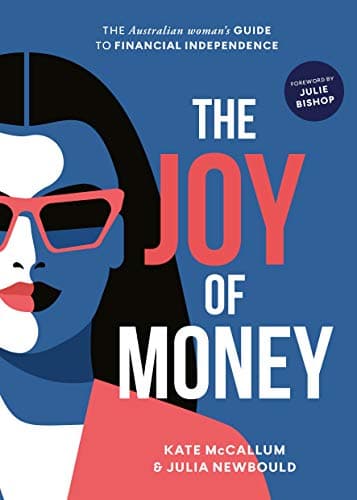
The Joy of Money
Kate McCallum and Julia Newbould map out financial independence for Australian women, from super and investing to insurance and estate planning. Practical, warm and refreshingly free of finance-bro energy.
The Barefoot Investor
Scott Pape

The Barefoot Investor
Australia's best-selling money book ever. A simple system for accounts, budgeting, debt and a real emergency fund in one.
Some links above are affiliate links. If you buy through them, Snowball Invest may earn a small commission at no extra cost to you. We only recommend books we'd suggest anyway.
Frequently asked questions
What's the difference between own occupation and any occupation TPD?
Own occupation pays out if you can't return to your specific job, and is generally only available outside super. Any occupation, the standard inside super, only pays if you can't work in any role suited to your training or experience, a stricter test.
Do I already have TPD insurance through my super?
Most Australians do, check your fund's member statement or online portal for the amount. Default cover usually uses the any occupation definition and is often lower than what you'd actually need.
Is a TPD payout taxable?
Outside super, it's generally a tax-free lump sum. Inside super, the taxable component can be taxed depending on your age at the time, generally taxed under preservation age, partly offset between preservation age and 59, and generally tax-free from 60. This is genuinely complex, get advice from a financial adviser for your specific numbers.
What's the difference between TPD and income protection?
TPD pays a one-off lump sum if you're permanently unable to work. Income protection pays an ongoing monthly benefit while you're temporarily unable to work. Many people need both, they cover different risks.
How long does a TPD claim take?
It varies, but often somewhere between a few months and over a year from lodgement to payment, depending on how complex your case is and how quickly medical evidence can be gathered. Starting that evidence early and following up regularly tends to help.
Related terms
Sources
Disclaimer
This is general information only, not personal financial, tax or insurance advice. TPD policy definitions, default cover amounts and the tax treatment of payouts vary by fund, insurer and individual circumstances. Check your own policy or fund documents, and speak to a licensed financial adviser or accountant before making decisions about TPD cover or a claim.