

Choosing What to Invest In
Once you can place an order, the question becomes what to actually buy. A handful of checks cover almost everything that matters: what a fund tracks, what it costs, how diversified it is, and how the pieces fit together. This module also settles the popular head-to-heads like VDHG vs DHHF and LIC vs ETF so you can pick with confidence rather than analysis paralysis.
8 questions · test yourself first · resources below to fill any gaps
Test yourself first, then learn what you missed
📝 Module quiz
A higher management fee (MER) always means a better ETF.
Missed a few? Shore up this module
Here is everything for this module in one place. Start with whatever you got wrong above, or work through the lot if you want the full picture.
📖 Guides to read
How to Choose an ETF: A Beginner's Checklist
A practical, step-by-step checklist for comparing ETFs: what actually matters, what to ignore, and the mistakes that cost beginners the most.
Index Funds vs ETFs: What's Actually the Difference?
Most ETFs are index funds, so what does the question even mean? Unlisted index funds vs ETFs, and which is simpler for a beginner.
What Are Franking Credits? A Plain-English Explanation
How Australia's dividend imputation system actually works, with a worked example, and how franking credits flow through to you from Australian share ETFs.
How to Build a Simple Investment Portfolio
How to turn shares, ETFs and everything else you've learned into an actual portfolio: deciding your asset mix, one fund vs several, and why simple usually wins.

VDHG vs DHHF: Which One Should Beginners Buy in 2026?
VDHG and DHHF are Australia's two most popular single-ETF solutions for beginners. This guide breaks down their fees, holdings, and key differences so you can choose with confidence.
LICs vs ETFs: What's the Difference?
LIC vs ETF explained for Australian beginners. Learn how listed investment companies differ from ETFs on the ASX, NTA, dividends, franking credits and fees.

What Is a REIT? The Plain-English Guide for Australian Investors
A REIT lets you invest in property without buying a house. How Australian A-REITs work, how distributions are taxed, and when they make sense in a portfolio.
Passive Investing Australia: The Beginner's Guide to Growing Wealth Without the Stress
What passive investing actually is, what the SPIVA data shows about active fund managers, and how fees and franking credits shape it locally.
🧮 Try the numbers yourself
🔗 Go deeper with the official sources
- Choosing an ETF · ASIC Moneysmart
- A step-by-step process for choosing an ETF · Morningstar Australia
- ETF vs index fund · Betashares
- Refund of franking credits for individuals · Australian Taxation Office
- Australian real estate investment trusts (A-REITs) · Australian Securities Exchange
📚 Recommended reading
Girls That Invest
Simran Kaur
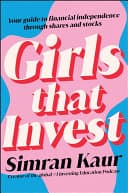
Girls That Invest
A no-jargon crash course from the podcaster behind Girls That Invest that makes the sharemarket feel doable, written especially for women starting out. The perfect first step before you buy your first ETF.
The Little Book of Common Sense Investing
John C. Bogle
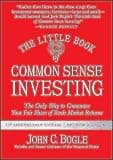
The Little Book of Common Sense Investing
From the man who invented the index fund, this is the short, sharp case for low-cost investing that has aged like fine wine. The maths on fees is universal, just think ETFs and super instead of his US funds.
Motivated Money
Peter Thornhill
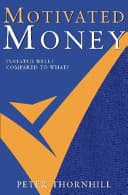
Motivated Money
Peter Thornhill's cult-favourite case for living off fully franked dividends instead of chasing capital gains. A calm, contrarian Aussie take that has quietly built a big following of long-term investors.
Some links above are affiliate links. If you buy through them, Snowball Invest may earn a small commission at no extra cost to you. We only recommend books we'd suggest anyway.