

Before You Invest
The single biggest mistake isn't picking the wrong investment, it's investing money you needed a few months later, or ignoring a 20% credit card while chasing a 7% return. This module sorts the foundation: a budget you can live with, clear goals, a safety net for the unexpected, a plan for high-interest debt, and a sense of whether lump sum or drip-feeding suits you.
8 questions · test yourself first · resources below to fill any gaps
Test yourself first, then learn what you missed
📝 Module quiz
It's usually smart to pay off high-interest debt before investing.
Missed a few? Shore up this module
Here is everything for this module in one place. Start with whatever you got wrong above, or work through the lot if you want the full picture.
📖 Guides to read

How to Budget: A Step-by-Step Guide That Actually Holds Up
The five-step process for building a budget that survives real life, why most budgets fail, and how to choose a method that actually fits how you spend.

The 50/30/20 Rule Explained (and Whether It Actually Works)
How the 50/30/20 budgeting rule works, where it comes from, a worked example, and when the ratios genuinely need adjusting rather than forcing.

How to Set Financial Goals You'll Actually Achieve
Why most financial goals don't survive the year (real ASIC data), the SMART framework's origin, and how to turn any goal into a monthly number.

Your Net Worth Is the Score That Actually Matters
What net worth actually means, how to calculate yours, what counts as an asset vs a liability, and why it beats income as a measure of financial progress.

How Much Should You Have in an Emergency Fund?
How to size an emergency fund to your actual situation, the difference between an emergency fund and a rainy day fund, and where the money should actually sit.

Debt Snowball Method vs Debt Avalanche: Which One Actually Gets You Debt-Free Faster?
Debt snowball vs debt avalanche compared with a worked example using real Australian debts, total interest paid, and honest guidance on which suits you.

What Is Dollar Cost Averaging? A Beginner's Guide for Australians
What dollar cost averaging actually is, the honest truth about DCA vs lump sum investing, and how to set up automatic recurring investing in Australia.
🎯 Test yourself with a related quiz
🧮 Try the numbers yourself
🔗 Go deeper with the official sources
- How to invest · ASIC Moneysmart
- Develop an investing plan · ASIC Moneysmart
- Save for an emergency fund · ASIC Moneysmart
- Budget planner · ASIC Moneysmart
📚 Recommended reading
The Barefoot Investor
Scott Pape
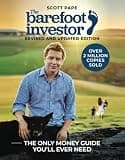
The Barefoot Investor
Australia's best-selling money book ever. A simple system for accounts, budgeting, debt and a real emergency fund in one.
She's on the Money
Victoria Devine
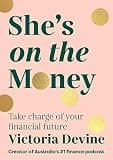
She's on the Money
Written for millennials, walks through budgeting, clearing debt, saving, investing and buying property with real stories.
Some links above are affiliate links. If you buy through them, Snowball Invest may earn a small commission at no extra cost to you. We only recommend books we'd suggest anyway.