

How to Compare Travel Insurance in Australia (Without Losing Your Mind)
Not sure how to compare travel insurance in Australia? Learn what to look for, what to skip, and how to avoid nasty surprises.
 By Timothy Hirou GaschereauPublished
 10 min read
You have booked the flights, you have the itinerary, and you are already mentally on the beach. Travel insurance is probably the last thing you want to think about. But a single overseas medical emergency, without cover, can cost more than the trip itself, sometimes a lot more.
The good news: comparing travel insurance in Australia does not have to be painful. This guide walks you through what to look for, the common traps, and how to get decent cover without overpaying. It is part of our compare and choose series, and it is general information only, not insurance advice. Always read the product disclosure statement (PDS) before you buy.
🎯 The essential: Medicare does not cover you overseas, and overseas medical and evacuation costs can be enormous. The most important thing to compare is the medical cover limit (aim for unlimited). After that, check the excess, the cancellation limit, the pre-existing conditions rules, and which activities are covered. Read the PDS, check Smartraveller, and buy as soon as you book.
Do you actually need travel insurance?
Almost certainly, for overseas travel. Medicare does not cover you overseas, full stop. If you break a leg in Bali, need surgery in the US, or have a cardiac event in Japan, Medicare pays nothing, and a medical evacuation home can cost six figures on its own.
Australia has Reciprocal Health Care Agreements with a small number of countries (the UK, New Zealand, Ireland, several European nations and others) that cover some essential treatment there, but they are limited and are not a substitute for a policy. For domestic trips Medicare applies, so the maths is different, though a policy can still cover cancellations, lost luggage and rental car excess.
Travel insurance is ordinary general insurance, not covered by any government scheme, so the insurer matters. If you have a dispute, AFCA is your avenue.
The parts of a travel insurance policy (and which matter most)
- Overseas medical and hospital cover. The big one. Look for unlimited, or a very high limit. This is not the place to save money.
- Emergency evacuation and repatriation. Being airlifted or flown home. Costs can reach six figures. Make sure it is included.
- Cancellation and trip disruption. If you cancel or cut a trip short for a covered reason. Check the dollar limit matches your trip cost.
- Luggage and personal effects. Watch the per-item limits: a $500 single-item cap will not replace a $2,000 camera unless you list it.
- Travel delay. A daily allowance if your flight is badly delayed. Useful, not critical.
- Rental vehicle excess. Covers the excess if you prang a hire car, often cheaper here than the rental company's own add-on.
How to compare travel insurance: the checklist
| What to check | What to look for |
|---|---|
| Medical cover limit | Unlimited, or as high as possible |
| Excess | Higher lowers the premium, but you pay more per claim |
| Cancellation limit | Must match or exceed your total trip cost |
| Pre-existing conditions | Must be declared; non-declaration can void a claim |
| Activities covered | Check skiing, scuba, motorcycling are included if you plan them |
| Region | US cover is usually the priciest; cover every country on your route |
| Policy type | Single-trip vs annual multi-trip |
Declare every pre-existing condition, even minor ones. If you do not and it contributes to a claim, the insurer can deny the claim entirely. And check activities: skiing, scuba, motorcycling and anything "extreme" are commonly excluded unless you add cover.
Single-trip vs annual multi-trip, and credit card cover
| Single-trip | Annual multi-trip | |
|---|---|---|
| Who it suits | 1 to 2 trips a year | 3+ trips a year |
| Cost pattern | Pay per trip, adds up if you travel often | Fixed annual premium, cheaper per trip |
| Watch for | Match cover to one itinerary | Max trip length per journey (often 30 to 90 days) |
Many premium credit cards include complimentary travel insurance, which can be genuinely useful, but there are traps: activation conditions usually apply (you often must pay for the trip on the card), the cover can be narrower, and pre-existing conditions are frequently excluded. Read the insurer's PDS, not the card's brochure. If it is adequate for your trip, great; if not, buy a standalone policy.
Common exclusions and gotchas
- Undeclared pre-existing conditions. The most common way claims get denied. Always declare.
- Alcohol and drugs. Injuries while under the influence are a standard exclusion.
- High-risk or professional activities. Racing, professional sport and high-risk work are typically not covered.
- Known events. A cyclone or pandemic already announced before you buy is a "known event" and generally excluded, which is why buying early matters.
- Travelling against government advice. If Smartraveller rates a destination "Do Not Travel" and something goes wrong, your claim is very likely denied. Check it before you buy and again before you go.
The golden rule: read the PDS. It is not thrilling, but it tells you exactly what you are and are not covered for, and it is your best defence if a claim is ever rejected.
How to save without under-insuring
- Consider annual multi-trip if you travel three or more times a year.
- Lift your excess to cut the premium, but only to a level you could comfortably pay.
- Never skimp on medical cover. Unlimited medical is the standard for good policies. Do not trade it away to save $30.
- Check your card cover carefully and fill any gaps rather than assuming it is enough.
- Buy as soon as you book. Cancellation cover runs from the purchase date, not the travel date.
SnowLetter
Australia's money news and our best reads, once a week.
❓ Frequently asked questions
Do I need travel insurance for trips within Australia?
+
Medicare applies domestically, so overseas medical cover is not relevant. But a domestic policy can still cover flight cancellations, lost luggage and rental car excess. Whether it is worth it depends on your trip cost and risk tolerance.
Does Medicare cover me overseas?
+
No. Medicare does not cover medical treatment overseas. Australia has Reciprocal Health Care Agreements with a small number of countries that cover some essential care, but they are limited and are not a substitute for travel insurance.
What is the most important part of travel insurance?
+
Overseas medical and hospital cover. A serious illness or injury overseas, without cover, can result in bills of hundreds of thousands of dollars. Aim for unlimited cover, or the highest limit available, and do not trade it away to save on the premium.
Is credit card travel insurance enough?
+
It can be, but check carefully. Activation conditions usually apply (you often must pay for the trip on the card), limits can be lower than a standalone policy, and pre-existing conditions are frequently excluded. Read the insurer's product disclosure statement, not the card's brochure, before relying on it.
Are pre-existing conditions covered?
+
It depends on the policy and the condition. Most insurers require you to declare pre-existing conditions when you apply. Some cover them (sometimes for an extra premium), some exclude them, some require an assessment. The critical thing is to declare everything: non-declaration can void a claim.
Is cancellation cover worth it?
+
If your trip cost a significant amount and you would be out of pocket if you had to cancel, yes. Make sure the cancellation limit matches or exceeds your total trip cost, including flights, accommodation and tours. Cover starts from the date you buy, so buy as soon as you book.
Keep reading
📚 Recommended reading
The Barefoot Investor
Scott Pape

The Barefoot Investor
Australia's best-selling money book ever. A simple system for accounts, budgeting, debt and a real emergency fund in one.
Making Money Made Simple
Noel Whittaker

Making Money Made Simple
Australia's classic, comprehensive money guide covering tax, super and investing, updated for today.
Die With Zero
Bill Perkins
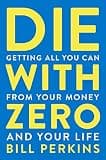
Die With Zero
Stop hoarding cash for a someday that never comes. Perkins makes the case for spending on experiences while you are still young enough to enjoy them.
Some links above are affiliate links. If you buy through them, Snowball Invest may earn a small commission at no extra cost to you. We only recommend books we'd suggest anyway.
Sources
This article is general information only, not financial or insurance advice. Policy features, limits and country agreements change, and your circumstances are unique. Read the product disclosure statement, check Smartraveller, and consider a licensed adviser or broker before buying.
Was this article useful?
Put it to your own numbers
Every calculator runs entirely in your browser, with nothing stored. See what these numbers look like for your own situation.
Explore the calculators →General information only. This article is educational and does not constitute personal financial advice. It does not account for your circumstances. Consider your own situation and seek advice from a licensed adviser before acting. Read our full disclaimer.

Timothy Hirou Gaschereau
Founder of Snowball Invest, not a financial adviser.
I write about what I'm learning myself, because nobody ever taught us how to take control of our own money. It's a skill, not a mystery, and it's never too late to learn it. The best day to start was yesterday, the second best is today.
LinkedIn →Related articles

How to Compare Life Insurance in Australia (A Guide for Families)
Learn how to compare life insurance in Australia: the four cover types, super vs outside super, own vs any occupation TPD, and stepped vs level premiums.

How to Compare Health Insurance in Australia (Without Losing Your Mind)
Learn how to compare health insurance in Australia, understand hospital tiers, avoid the MLS, and decide if extras cover is actually worth it.

How to Compare Bank Accounts in Australia (Everyday Accounts)
Learn how to compare bank accounts in Australia: fees, features, safety and how to switch, so you stop paying fees you do not need.