

How to Compare Car Insurance in Australia (Without Getting Burned)
CTP, third party, or comprehensive? How to compare car insurance in Australia without overpaying or getting caught out at claim time.
 By Timothy Hirou GaschereauPublished
 10 min read
Most Australians pick the cheapest quote and call it a day. That works fine, right up until the moment you claim and discover your policy has a $2,000 excess, excludes flood, and won't cover the rideshare trip you forgot to declare. Comparing car insurance properly takes about 30 extra minutes and can save you thousands. It's part of our compare and choose series, and it's general information only, not financial advice.
🎯 The essential: CTP is not car insurance: it covers injury to others and comes bundled with rego. Price is only one number; excess, exclusions and claim-time payouts matter just as much. Insurers quietly charge loyal customers more, so re-quote every year, 2 to 3 weeks before renewal. And comparison sites don't show every insurer, so check a few direct too.
The four types of car insurance in Australia
Before you can compare meaningfully, know what you're comparing. There are four levels, and they're not interchangeable.
| Cover type | What it covers | Who it suits |
|---|---|---|
| CTP (Compulsory Third Party) | Personal injury to others from your vehicle (not property or your car) | Everyone (compulsory with rego) |
| Third Party Property | Damage you cause to others' cars/property (not your own car) | Older cars with low market value |
| Third Party Fire & Theft | Others' property, plus your car if stolen or fire-damaged | Older cars in higher-risk areas |
| Comprehensive | All of the above plus damage to your own car regardless of fault | New/higher-value cars, or anyone who couldn't replace their car out of pocket |
CTP is the legal floor (bundled with rego, or bought as a green slip in NSW), not a real product you chose. Only comprehensive protects your own car in most scenarios.
What to compare beyond price
This is where most people stop reading, and where most surprises happen at claim time.
- What's actually covered, and the exclusions. The marketing page tells you what's covered; the Product Disclosure Statement (PDS) tells you what isn't. Watch for unlicensed or intoxicated driver, undeclared rideshare use, undeclared modifications, and flood damage.
- Excess types. Excesses stack: a base excess ($500 to $800), a voluntary excess, and an age/inexperienced-driver excess ($500 to $2,000 for under-25 or unlisted drivers). A 22-year-old at the wheel could mean $2,100 before the insurer pays a cent.
- Agreed value vs market value. Agreed value locks in your payout upfront (slightly higher premium, no surprises). Market value lets the insurer decide what your car was worth, often lower than you'd expect.
- Inclusions worth checking: a hire car after an accident, windscreen cover, choice of repairer, and new-for-old replacement for near-new cars.
Why the cheapest premium can be false economy
A lower sticker price doesn't always mean a better deal.
Policy A is $800/year with a $500 excess; Policy B is $650/year with a $2,000 excess. Policy B saves $150 a year, but a single claim costs $1,500 more in excess alone, wiping out 10 years of premium savings. Add a big exclusion (flood in a flood-prone postcode, or rideshare use you sometimes do) and the cheaper policy can be worthless when you need it. The right question isn't “what's the cheapest premium?” but “what's the total cost if I actually have to claim?”
What affects your premium
Insurers price risk, so the more risk factors you carry, the higher the premium. They look at:
- Your car's make, model, age and value
- Your postcode (theft rates, weather, traffic)
- Driver age (under-25 attracts a surcharge)
- Your driving history (at-fault claims, suspensions)
- How you use the car (personal vs business, annual kilometres)
- Where you park overnight (a locked garage is lower risk)
- Modifications (anything from standard spec must be declared)
Changing any of these (moving suburbs, turning 25, adding a garage) is worth a re-quote, because your risk profile may have improved.
The loyalty tax: why you should re-quote every year
Insurers often charge existing customers more than new customers for the same cover. The ACCC's insurance monitoring reports and ASIC have both flagged that renewing customers can pay materially more, because most people auto-renew without checking. The fix: set a reminder 2 to 3 weeks before renewal, get at least 3 fresh quotes (comparison sites and direct), take your best quote back to your current insurer to match, and switch if they won't.
Loyalty is not being rewarded here. The ACCC has monitored new-vs-renewing customer price differences since 2022, and ASIC has warned many consumers aren't told why their renewal premium rose. Re-quoting every year is one of the easiest ways to stop overpaying.
How to compare car insurance fairly
- Compare like for like. Same cover type, same excess, same sum insured or agreed value across every quote.
- Read the PDS (and any Key Facts Sheet). The PDS is the contract; the comparison summary, brochure and salesperson's description are not. Use summaries to scan exclusions, then read the full PDS for anything that matters to you.
- Use comparison sites AND go direct. Comparison sites only show insurers that pay to appear, and several Australian insurers don't participate at all. Use 1 to 2 for a baseline, then check 2 to 3 direct insurer sites.
- Check the claims reputation. A cheap policy from an insurer with a poor claims record is a bad deal. Look at AFCA complaint data and Google reviews that mention actual claims, not sign-up experience.
Red flags to watch for
- A policy that excludes flood in a suburb with a known flood history.
- A very high age excess buried in the fine print rather than the summary.
- A market-value payout on a car you've modified (the insurer values the standard model).
- No 24/7 claims line (accidents don't happen during business hours).
- An insurer not registered with AFCA, so you have no independent dispute resolution.
- Automatic renewal at a significantly higher premium with no clear explanation.
The bottom line: comparing car insurance properly means looking past the premium to the excess, the exclusions, the payout method, and the insurer's claims record. The cheapest policy and the best policy are often not the same. Take 30 minutes before you renew, get 3+ quotes, read the PDS for anything that applies to you, and re-quote every single year.
SnowLetter
Australia's money news and our best reads, once a week.
❓ Frequently asked questions
Is CTP the same as car insurance?
+
No. CTP (Compulsory Third Party) is a separate product that covers personal injury to other people if your vehicle causes an accident. It comes bundled with registration in most states (or is bought separately in NSW). It does not cover damage to cars, property, or your own vehicle. You need additional insurance, at minimum Third Party Property, for that.
Do I need comprehensive insurance if my car is old?
+
Not necessarily. The older and lower-value your car, the less sense it makes to pay a comprehensive premium that might exceed the car's market value. A rough guide: if your car is worth less than $5,000 to $8,000, Third Party Property (or Fire and Theft) may be more cost-effective. But factor in whether you could afford to replace the car out of pocket if it were written off.
Can I use a comparison site to find the best deal?
+
Comparison sites are a useful starting point, but they only show insurers that pay to be listed. Some Australian insurers don't appear on any comparison site. Always check 2 to 3 direct insurer websites in addition to any comparison site results to get a fuller picture of the market.
What is an excess and how does it affect my premium?
+
The excess is the amount you pay out of pocket when you make a claim; the insurer covers the rest. A higher excess generally means a lower annual premium, and vice versa. The catch is that multiple excesses can stack (base + voluntary + age excess), so the total you'd pay at claim time can be much higher than the base excess suggests.
What is a Key Facts Sheet?
+
A Key Facts Sheet is a short, standardised summary (typically 1 to 2 pages) that helps consumers compare policies quickly, covering main features, inclusions and key exclusions in plain language. For home building and contents insurance it's a regulated requirement; for car insurance, check whether your insurer provides a similar summary alongside the full PDS. The PDS remains the definitive document.
What happens if I'm in an accident that wasn't my fault?
+
If the other driver is at fault and insured, their insurer should cover your damage. If they're uninsured (which happens more than you'd think), it depends on your cover: comprehensive typically covers you regardless of fault, while Third Party Property does not cover your own vehicle, so you'd need to pursue the other driver personally. Some comprehensive policies include a specific uninsured-motorist benefit, worth checking.
📚 Recommended reading
The Barefoot Investor
Scott Pape

The Barefoot Investor
Australia's best-selling money book ever. A simple system for accounts, budgeting, debt and a real emergency fund in one.
Making Money Made Simple
Noel Whittaker

Making Money Made Simple
Australia's classic, comprehensive money guide covering tax, super and investing, updated for today.
On Your Own Two Feet
Helen Baker
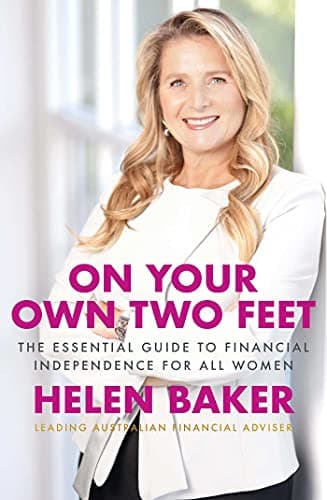
On Your Own Two Feet
An Aussie financial planner's essential guide to money independence for women, covering every life stage from single to separated. Warm, practical and genuinely on your side.
Some links above are affiliate links. If you buy through them, Snowball Invest may earn a small commission at no extra cost to you. We only recommend books we'd suggest anyway.
Sources
This article is general information only and does not constitute personal financial advice. Always read the full Product Disclosure Statement before purchasing any insurance policy, and consider speaking with a licensed adviser if you need advice tailored to your circumstances.
Was this article useful?
Put it to your own numbers
Every calculator runs entirely in your browser, with nothing stored. See what these numbers look like for your own situation.
Explore the calculators →General information only. This article is educational and does not constitute personal financial advice. It does not account for your circumstances. Consider your own situation and seek advice from a licensed adviser before acting. Read our full disclaimer.

Timothy Hirou Gaschereau
Founder of Snowball Invest, not a financial adviser.
I write about what I'm learning myself, because nobody ever taught us how to take control of our own money. It's a skill, not a mystery, and it's never too late to learn it. The best day to start was yesterday, the second best is today.
LinkedIn →Related articles

Rent vs Buy in Australia: A Balanced Guide
Rent vs buy in Australia: the real costs, the 'dead money' myth, break-even time, and first-home-buyer help. Run the numbers for your situation.

How to Compare Bank Accounts in Australia (Everyday Accounts)
Learn how to compare bank accounts in Australia: fees, features, safety and how to switch, so you stop paying fees you do not need.

Debit Card vs Credit Card: Which Should Australians Use?
Debit card vs credit card in Australia: the real differences on interest, fraud protection and credit score, and which suits your spending habits.