

Debit Card vs Credit Card: Which Should Australians Use?
Debit card vs credit card in Australia: the real differences on interest, fraud protection and credit score, and which suits your spending habits.
 By Timothy Hirou GaschereauPublished
 10 min read
It is one of those questions that sounds simple until you try to answer it. Debit card vs credit card: tap and go, or tap and owe? Most Australians carry both, but few have thought through the real differences, the hidden traps, and which card actually suits their money habits.
Get it wrong and you could be paying 20% interest on last month's groceries, or watching your own cash sit frozen in a dispute while you wait weeks for a refund. This guide explains how each card works, where each wins, and gives you a simple discipline test. It is part of our compare and choose series, and it is general information only, not advice.
🎯 The essential: Debit = your money: you can only spend what you have, so no debt and no interest. Credit = the bank's money: borrow up to a limit and repay it, or pay interest (commonly 15% to 22%+). The interest-free period only works if you pay the full balance by the due date. Credit is generally stronger for fraud disputes and it builds your credit score. The golden rule: a credit card only makes sense if you pay it off IN FULL every month.
The core difference: your money vs the bank's money
A debit card is a key to your own money: tap, and the funds come straight out of your account. $300 in the account means you can spend $300, not a cent more. No debt, no interest, no one lending you anything. A credit card is a short-term loan: you spend the bank's money up to a limit, then get a statement and a due date. Pay the full closing balance by that date and you have borrowed for free; pay less and interest piles on, commonly 15% to 22% or more per year. Everything else, the perks, the protection, the credit score, flows from that one difference.
Debit cards: the pros and cons
The case for: no debt is possible (you literally cannot spend money you do not have), spending discipline is built in, fees are usually low or nil, and it is simple to manage: one account, one balance.
The case against: weaker dispute protection (if a fraudster empties your account, that is your actual cash gone while you wait), it does not build your credit score (you are not borrowing), and it rarely comes with rewards or perks.
Credit cards: the pros and cons
The case for: the interest-free period (up to around 55 days, if you pay in full) is effectively a free short-term loan; rewards, points, purchase protection and complimentary travel insurance on some premium cards; stronger fraud protection; and it builds your credit history.
The case against:
- High interest: commonly 15% to 22%+ a year. Carry $3,000 at 20% for a year and that is $600 in interest on top of what you bought.
- Annual fees: often $50 to $400+, especially on rewards cards.
- Overspending is easy: spending the bank's money does not feel like handing over cash, and people reliably spend more on credit.
The minimum-repayment trap is the one that quietly ruins people. Paying only the ~2% minimum while carrying a balance barely touches the principal: a $5,000 balance at 20% can take well over a decade to clear and cost thousands in interest. Always pay more than the minimum, ideally the full balance.
Fraud and chargebacks: why credit is generally stronger
Say a merchant double-charges you $1,800. With a debit card, $1,800 of your actual money has left your account; you lodge a dispute and wait to get your own cash back (scheme debit does have chargeback rights, but the money is gone meanwhile). With a credit card, it is the bank's $1,800 in dispute; your own cash is untouched the whole time, and if upheld the charge is reversed. That asymmetry is why the common tip is to use a credit card for large or unfamiliar online purchases and travel bookings, and keep the debit card for lower-risk everyday spending, provided you pay the card off in full.
Building your credit score
A debit card does not build your credit score, full stop: you are not borrowing, so the bureaus (Equifax, Experian and illion in Australia) have nothing to record. A credit card, used responsibly, is one of the most accessible ways to build a positive credit history: every on-time, paid-in-full month is a positive mark, which matters when you apply for a home loan or car finance. Responsible use means paying on time and in full, keeping your utilisation reasonable, and not applying for lots of cards at once.
Which should you use? The discipline test
The honest answer: a credit card only makes financial sense if you pay it off in full every month. Do that and you get the perks, protection and credit-score benefits for free, at 0% interest. If you cannot reliably clear the full balance, a credit card will cost you money, and at 20% a year the interest erases any rewards and then some.
Three honest questions:
- Do I have any existing credit card debt not yet paid off? If yes, sort that first.
- Do I have a budget that tells me exactly what I spend each month?
- Can I commit to paying the full closing balance, not the minimum, every month without fail?
Yes to all three? A credit card is likely a useful tool. Hesitated on any? Start with a debit card and revisit in six months. And note that buy now pay later is a separate product with its own risks, not a card type. If in doubt, our guide to comparing credit cards helps you weigh the fees against the perks.
SnowLetter
Australia's money news and our best reads, once a week.
❓ Frequently asked questions
What is the difference between a debit card and a credit card?
+
A debit card draws money directly from your own transaction or savings account, so you can only spend what you have. A credit card lets you borrow from the bank up to a credit limit. You must repay it, and if you do not pay the full balance by the due date, interest is charged, commonly 15% to 22% or more per year in Australia.
Does a debit card build your credit score?
+
No. Because a debit card does not involve borrowing, there is nothing for credit bureaus to record. Only products that involve credit, such as a credit card used responsibly, build a credit history.
Is it better to use a debit or credit card?
+
It depends on your habits. If you pay your credit card balance in full every month, a credit card offers better fraud protection, rewards and credit-score benefits. If you tend to carry a balance, a debit card is the safer choice because you cannot go into debt with it.
Do you pay interest on a debit card?
+
No. Because you are spending your own money, no interest is charged. The one exception is if your account has an overdraft facility and you dip into it, in which case overdraft interest or fees may apply.
Which is safer for fraud: debit or credit?
+
A credit card is generally stronger for fraud disputes. With a credit card, the disputed money belongs to the bank, so your own cash is not missing while it is investigated. Visa and Mastercard scheme debit cards do have chargeback rights, but credit card protections are generally broader and faster.
What is the interest-free period on a credit card?
+
Most Australian credit cards offer up to around 55 interest-free days on purchases, but only if you pay the full closing balance by the due date. Carry any balance and you generally lose the benefit, with interest charged, often calculated back to the original purchase date. Check your card's terms for the exact conditions.
Keep reading
📚 Recommended reading
The Barefoot Investor
Scott Pape

The Barefoot Investor
Australia's best-selling money book ever. A simple system for accounts, budgeting, debt and a real emergency fund in one.
Making Money Made Simple
Noel Whittaker

Making Money Made Simple
Australia's classic, comprehensive money guide covering tax, super and investing, updated for today.
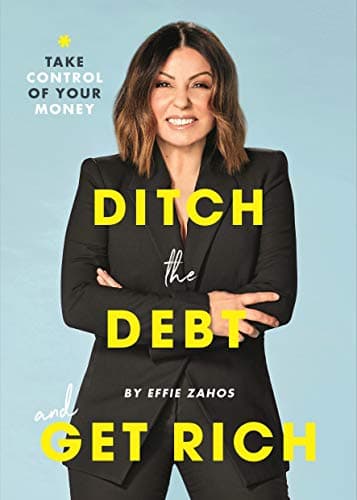
Ditch the Debt and Get Rich
Effie Zahos
Ditch the Debt and Get Rich
One of Australia's most trusted money journalists shows you how to crush debt and build real wealth without giving up your flat white. Clear, doable steps you can start this week.
Some links above are affiliate links. If you buy through them, Snowball Invest may earn a small commission at no extra cost to you. We only recommend books we'd suggest anyway.
This article is general information only, not financial advice. Interest rates, fees and card features change. Read your card's terms and conditions and check ASIC Moneysmart before making a decision.
Was this article useful?
Put it to your own numbers
Every calculator runs entirely in your browser, with nothing stored. See what these numbers look like for your own situation.
Explore the calculators →General information only. This article is educational and does not constitute personal financial advice. It does not account for your circumstances. Consider your own situation and seek advice from a licensed adviser before acting. Read our full disclaimer.

Timothy Hirou Gaschereau
Founder of Snowball Invest, not a financial adviser.
I write about what I'm learning myself, because nobody ever taught us how to take control of our own money. It's a skill, not a mystery, and it's never too late to learn it. The best day to start was yesterday, the second best is today.
LinkedIn →Related articles

How to Compare Bank Accounts in Australia (Everyday Accounts)
Learn how to compare bank accounts in Australia: fees, features, safety and how to switch, so you stop paying fees you do not need.
Term Deposit vs Savings Account in Australia: Which Wins?
Term deposit vs savings account in Australia: compare rates, access, safety and tax, and work out which one suits your savings goals.

How to Compare Life Insurance in Australia (A Guide for Families)
Learn how to compare life insurance in Australia: the four cover types, super vs outside super, own vs any occupation TPD, and stepped vs level premiums.