

Travel Insurance in Australia: How It Actually Works
Understand what travel insurance in Australia actually covers - medical costs, cancellations, exclusions, PDS reading tips, and credit card insurance traps.
 By Timothy Hirou GaschereauPublished
 10 min read
This article is general information only, not personal financial advice. Cover details, exclusions and prices vary between insurers and policies, always read the PDS for the specific policy you're considering. This is part of a wider guide to insurance on Snowball Invest.
Quick answer
Medicare doesn't cover you overseas, so in most countries you (or your insurer) pay the full cost of medical treatment, sometimes upfront. Travel insurance covers far more than just medical costs too: trip cancellations, lost luggage and personal liability among them. Always read the Product Disclosure Statement (PDS) before you buy, and don't assume your credit card's travel insurance is the same as a dedicated policy, it usually needs activating and is often less comprehensive.
In this guide
- →What travel insurance actually covers, medical, cancellation, luggage, liability and more
- →Why a reciprocal healthcare agreement isn't a substitute for insurance
- →The difference between domestic and international travel insurance
- →How pre-existing medical conditions affect your cover
- →The exclusions people don't realise are in their policy
- →How to read a PDS without losing your mind
- →The traps hiding in credit card travel insurance
✈️ What does travel insurance actually cover?
Overseas medical and hospital expenses
Medicare does not cover you overseas. Once you leave Australia, you're on your own for medical costs unless you have insurance. As Smartraveller puts it, medical assistance is usually the highest unexpected cost for Australians overseas, most countries won't give you free or subsidised care, and you or your insurer must usually pay full price. Hospitals in some countries will refuse to treat you until you pay upfront or hand over your insurance details.
A serious accident, a cardiac event, or emergency surgery in the US, Japan, or Southeast Asia can easily run into tens of thousands of dollars. Medical evacuation back to Australia can cost even more. Overseas medical cover is the core reason travel insurance exists.
Trip cancellation and interruption
If you have to cancel before you leave, or cut a trip short, a policy can reimburse non-refundable costs like flights and accommodation. Cover typically applies when the reason is outside your control, serious illness, a death in the family, a natural disaster. Not every reason is covered, check the PDS.
Lost or delayed luggage
Policies generally cover replacing luggage and personal items lost, stolen, or damaged in transit, plus a daily allowance if bags are delayed beyond a set number of hours. Individual item limits apply, a laptop or camera worth $2,500 might only be covered up to $1,000 under the standard baggage sub-limit.
Travel delay expenses
If your flight is delayed beyond a threshold (often 6 to 12 hours), some policies cover reasonable additional expenses like meals and accommodation. The threshold and the dollar limit vary between policies.
Personal liability
Protects you if you accidentally injure someone or damage their property while travelling and they make a claim against you.
Rental car excess
If you hire a car overseas and have an accident, the rental company's excess can run to several thousand dollars. Many policies include rental car excess cover, some require it as a paid add-on.
🤝 What about countries with reciprocal healthcare agreements?
Australia has reciprocal health care agreements with 11 countries: Belgium, Finland, Italy, Malta, the Netherlands, New Zealand, Norway, Ireland, Slovenia, Sweden, and the United Kingdom.
| Reciprocal agreements DO cover | Reciprocal agreements do NOT cover |
|---|---|
| Urgent treatment that can't wait until you get home | All medical situations, cover is limited to urgent care |
| In some cases, local medical transport, medications and specialist services | Total medical costs, a co-payment is usually required |
| Subsidised care (not necessarily free) | Private healthcare |
| Non-subsidised medicines or treatments | |
| Medical evacuation, never covered by any reciprocal agreement |
🎯 The essential: A reciprocal health care agreement is not a substitute for insurance, Smartraveller is explicit on this point. You still need travel insurance. Even heading to the UK or New Zealand, a reciprocal agreement won't cover a medical evacuation, cancelled flights, lost luggage, or private care.
🗺️ Domestic vs international travel insurance
Medicare covers your medical costs domestically, so there's no need for the medical component of international travel insurance when you're staying in Australia. Domestic policies typically cover trip cancellation, luggage loss, theft or damage, and some personal liability. They generally don't include medical cover.
Still worth considering if you've booked a non-refundable domestic holiday, or if you just want luggage cover for the trip.
🩺 Pre-existing medical conditions
Insurers typically require a health questionnaire disclosing pre-existing conditions. Depending on what you declare, the insurer may cover the condition at no extra cost, cover it for an additional premium, or exclude it entirely.
Smartraveller is blunt about this: you must tell your insurer about all pre-existing health conditions. If you don't declare honestly and have an incident related to that condition overseas, your insurer can deny the claim, leaving you with the full cost of treatment. If you're unsure whether something counts, ask your insurer before you buy.
🚫 Common exclusions people don't realise
| Exclusion | What it means in practice |
|---|---|
| Extreme sports and adventure activities | Skiing, bungee jumping, scuba diving and motorbike riding are often excluded from standard policies, you may need a paid add-on |
| "Do Not Travel" destinations | If Smartraveller has issued a Do Not Travel warning, your policy usually won't cover you there, check before booking |
| Alcohol or drugs at time of incident | Even a low blood alcohol level can get your claim denied, per Smartraveller, and this can apply even if the incident wasn't directly caused by drinking |
| Undeclared pre-existing conditions | Claims caused by an undeclared condition will almost certainly be rejected |
| Unattended valuables or luggage | Leaving a bag unattended and having it stolen is typically not covered, and policies define "unattended" strictly |
Other exclusions worth noting: acts of war or terrorism, pregnancy-related costs, financial failure of an airline or travel agent, and depending on the policy, pandemics or infectious disease outbreaks.
📄 How to read a PDS (without losing your mind)
The Product Disclosure Statement tells you what you're covered for, what you aren't, how the insurer defines certain words ("unattended", "pre-existing condition", "adventure activity"), how the claims process works, and what emergency support they provide.
Focus on:
- The medical coverage limit, both the total cap and any sub-limits for specific treatments like dental or mental health
- The excess, how much you pay before the insurer covers the rest
- The cancellation cover limit, and whether it matches the value of your bookings
- Activity exclusions, is what you're actually planning to do covered
- Activation requirements, especially relevant for credit card insurance
🔁 Single-trip vs annual multi-trip policies
Single-trip policies cover one trip from departure to return, priced on destination and days away. The straightforward choice for occasional travellers.
Annual multi-trip policies cover multiple trips within 12 months under one policy, generally better value if you're travelling three or more times a year. Watch for per-trip duration limits (most cap each trip at 30, 45 or 60 days) and destination restrictions (some exclude certain regions or require an add-on for higher-risk destinations).
💳 Credit card travel insurance, read before you assume
- You usually need to activate it. Smartraveller warns: don't assume it's activated, you could find yourself overseas without insurance when you need it. Most require confirming activation with your bank before you travel.
- You typically need to pay for part of the trip on that card. Usually a certain amount of travel costs, like your return flight or accommodation, must be paid with the card to be covered.
- It's often less comprehensive than a dedicated policy. Fewer situations covered, lower item limits, and a higher excess than a comparable standalone policy. Smartraveller's line on this is worth remembering: free is not always the best value.
- It may only cover the cardholder, not a spouse, children, or additional cardholders.
- Always check the PDS for that specific card, don't rely on the bullet points on the bank's website.
Three misconceptions catch people out repeatedly. First, "Medicare covers me overseas", it doesn't, except in limited reciprocal agreement situations with urgent care only and possible co-payments. Second, "I don't need insurance for domestic travel", Medicare covers medical costs within Australia so you don't need the medical component, but it won't cover a cancelled flight, a lost bag, or a non-refundable hotel booking. Third, "my credit card insurance is the same as a dedicated policy", it's often less comprehensive, has activation requirements, may not cover family members, and typically carries lower limits and higher excesses than a standalone policy.
Ready to buy? Our step-by-step guide on how to compare travel insurance in Australia shows you exactly what to check.
SnowLetter
Australia's money news and our best reads, once a week.
❓ Frequently asked questions
Is travel insurance mandatory in Australia?
+
No, it's not legally required. But Smartraveller strongly recommends it, and without it you carry the full financial risk of a medical emergency, a cancelled trip, or any other unexpected cost overseas.
How much does travel insurance cost in Australia?
+
It varies widely by destination, trip length, your age and health, and the level of cover. A basic single-trip policy for a short Bali holiday might cost $50-$100. Comprehensive cover for a longer US or European trip, or for an older traveller, can cost several hundred dollars or more.
Does travel insurance cover COVID-19?
+
Depends entirely on the policy. Some now include COVID-19 cover for medical expenses or cancellations, others exclude pandemics and infectious disease outbreaks entirely. Check the PDS before you assume either way.
What's the difference between comprehensive and basic travel insurance?
+
Comprehensive cover includes most things: medical, cancellation, luggage and personal liability. Basic or medical-only cover handles health emergencies but generally not property or cancellation costs, or covers them with much lower limits.
Can I get travel insurance if I have a pre-existing condition?
+
Yes, in most cases, but you must declare it. The insurer may cover it at standard rates, charge an extra premium, or exclude it entirely. For serious conditions you may need a specialist insurer. Never simply leave it undeclared.
What should I do if I need to make a claim overseas?
+
Contact your insurer as soon as possible, some require notification within 24 hours. Gather documentation: a police report if something was stolen, a doctor's report if you were sick or injured, and proof of your travel bookings. Keep every receipt.
Is travel insurance worth it for short trips?
+
Generally yes. A medical emergency doesn't care how long your trip is, and the premium for a short trip is usually modest. For a short domestic trip with no non-refundable bookings, the case is weaker.
📚 Recommended reading
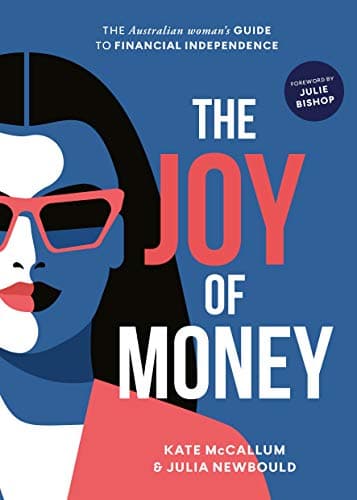
The Joy of Money
Kate McCallum & Julia Newbould
The Joy of Money
Kate McCallum and Julia Newbould map out financial independence for Australian women, from super and investing to insurance and estate planning. Practical, warm and refreshingly free of finance-bro energy.
The Barefoot Investor
Scott Pape

The Barefoot Investor
Australia's best-selling money book ever. A simple system for accounts, budgeting, debt and a real emergency fund in one.
Some links above are affiliate links. If you buy through them, Snowball Invest may earn a small commission at no extra cost to you. We only recommend books we'd suggest anyway.
Sources
Was this article useful?
Put it to your own numbers
Every calculator runs entirely in your browser, with nothing stored. See what these numbers look like for your own situation.
Explore the calculators →General information only. This article is educational and does not constitute personal financial advice. It does not account for your circumstances. Consider your own situation and seek advice from a licensed adviser before acting. Read our full disclaimer.

Timothy Hirou Gaschereau
Founder of Snowball Invest, not a financial adviser.
I write about what I'm learning myself, because nobody ever taught us how to take control of our own money. It's a skill, not a mystery, and it's never too late to learn it. The best day to start was yesterday, the second best is today.
LinkedIn →Related articles

How to Compare Travel Insurance in Australia (Without Losing Your Mind)
Not sure how to compare travel insurance in Australia? Learn what to look for, what to skip, and how to avoid nasty surprises.

CTP Insurance in Australia: What It Covers (and Doesn't)
CTP insurance is compulsory for every registered vehicle in Australia, but it does not cover what most people think. What you actually get, state by state.

Funeral Insurance in Australia: Is It Actually Worth It?
Funeral insurance pays a lump sum when you die, but premiums can end up costing more than the payout. An honest guide, plus better-value alternatives.