

What Is LMI? Lenders Mortgage Insurance Explained
What Lenders Mortgage Insurance actually is, who it protects, how the cost is calculated, and the real ways to avoid or reduce it.
 By Timothy Hirou GaschereauPublished
 8 min read
Try it yourself
LMI shows up in almost every conversation about buying a home with less than a full deposit, and it's routinely misunderstood, including who it actually protects. This is part of a wider guide to property and debt on Snowball Invest.
Quick answer
LMI (Lenders Mortgage Insurance) is a one-off insurance premium lenders require when your deposit is less than 20% of the property's value. It protects the lender, not you, against loss if you default and the property sells for less than what's owed. It typically costs somewhere between 1% and 4%+ of the loan amount, depending on how small your deposit is.
In this guide
- →What LMI actually is, and when you actually need it
- →How the cost is calculated, and why it jumps steeply near the top LVR bands
- →Who actually protects and who provides it, and why you can't just shop around for a cheaper policy
- →Ways to avoid or reduce it
🛡️ What LMI actually is
Lenders Mortgage Insurance is a policy the lender takes out, that you pay for, to cover their potential loss if you default on the loan and the property doesn't sell for enough to cover the remaining balance. The name causes most of the confusion: it sounds like it protects you, the borrower, but it exists entirely to protect the bank.
It's required because a smaller deposit means a smaller buffer for the lender if property prices fall, so they pass the cost of insuring against that risk on to you.
📏 When you actually need it
LMI is triggered by your loan-to-value ratio (LVR), the loan amount divided by the property's value. Once your deposit drops below 20% (an LVR above 80%), most lenders require LMI. Above roughly 95% LVR (a deposit under 5%), very few lenders will approve the loan at all, with or without LMI.
Worked example: on a $700,000 property, a 20% deposit is $140,000. Put down only $70,000 (10%), and your LVR is 90%, above the 80% threshold, meaning LMI applies to the whole loan.
It's not just a first-purchase issue either. If you're refinancing your home loan and your LVR has crept above 80% since you bought, whether from a smaller property value or a larger loan balance, LMI can apply again with the new lender, sometimes wiping out the entire rate saving you were chasing.
🧮 How the cost is calculated
LMI is priced as a percentage of your loan amount, and that percentage rises steeply, not evenly, as your LVR climbs. A borrower at around 85% LVR might pay somewhere near 1% of the loan amount, while a borrower at 95% LVR can pay 3-4% or more. The jump between bands is sharp: a small increase in LVR near the top end can meaningfully increase the premium, since the insurer's risk of a shortfall rises quickly once there's almost no equity buffer left.
Premium climbs steeply, not evenly, as your deposit shrinks toward 5%.
Want an actual number rather than a general rule? Our LMI Calculator estimates your premium based on your own property value and deposit, and shows how much bigger your deposit would need to be to avoid it altogether.
In some states, stamp duty also applies to the LMI premium itself, on top of the premium, a detail worth checking with your lender or broker since it isn't always included in a quoted estimate. That's on top of the stamp duty owed on the property itself, our Stamp Duty Calculator will give you that number for your state and price.
⚖️ Who it actually protects
| Covered by LMI | |
|---|---|
| The lender's shortfall if the property sells for less than the loan balance after default | Yes |
| Your own repayments if you lose your job or can't pay | No |
| Damage to the property itself | No, that's home and contents insurance |
| Your credit file, if you default and the lender claims on the policy | No protection, the debt can still be pursued |
This is the single most common misunderstanding: paying LMI doesn't protect you from anything. If the insurer pays out the lender after a default, the insurer can, and often does, still pursue you directly for the shortfall.
🏢 Who actually provides LMI, and why you can't shop around for it
🎯 The essential: The lender chooses the insurer, not you, and there are really only two major providers in the entire Australian market.
Unlike car or home insurance, you don't get to compare LMI providers and pick one, your lender selects the insurer and effectively passes the premium on to you as a condition of the loan. It's also a genuinely concentrated market: Helia (formerly Genworth, Australia's original LMI provider since 1965) and QBE's mortgage insurance arm are the two main players, with Helia alone holding close to half the market by premium volume. Most major banks self-insure a portion of their low-deposit lending too, rather than using an external insurer for every loan, which is part of why the exact premium and provider can vary between lenders for what looks like an identical loan.
The practical implication is that "shopping around" for a cheaper LMI premium isn't really an option the way it is for most insurance, the premium is effectively set by whichever insurer your specific lender uses at your specific LVR band. What you can influence is the LVR itself, and which lender you borrow from in the first place, since different lenders' arrangements with their insurer can produce a genuinely different quoted premium for the same deposit and property value.
🪜 Ways to avoid or reduce it
- Save a 20% deposit, the most straightforward way to avoid it entirely.
- Use a guarantor, whose equity can cover the gap that would otherwise trigger LMI.
- Check eligibility for the Home Guarantee Scheme, which lets eligible first home buyers purchase with a 5% deposit without paying LMI at all, the government guarantees the gap instead. See our First Home Guarantee guide.
- Ask about lender-specific waivers, some lenders offer reduced or waived LMI for certain professions or a slightly higher deposit band, worth asking a broker about directly.
Working out exactly how much deposit gets you under that 20% threshold is the natural next question.
🏠 How Much Deposit Do You Need to Buy a House?
The real numbers, including how government schemes change them.
SnowLetter
Australia's money news and our best reads, once a week.
❓ Frequently asked questions
Is LMI a one-off cost or an ongoing one?
+
It's a one-off premium, usually paid at settlement or added to your loan amount and paid off over time with interest, rather than a recurring annual charge.
Can I get my LMI back if I sell or refinance early?
+
Sometimes a partial refund applies if you refinance or sell within the first year or two, but policies vary by insurer, and there's no refund at all once you're a few years in.
Does LMI protect me if I can't make repayments?
+
No. LMI protects the lender, not you, it covers the bank's shortfall if the property is repossessed and sold for less than the outstanding loan. Your own default risk isn't covered by it at all.
Do I need LMI if I use a guarantor?
+
Usually not. A guarantor's equity covers the gap that would otherwise trigger LMI, which is the main reason people use a guarantor arrangement in the first place.
Is LMI the same in every state?
+
The insurance itself works the same nationally, but stamp duty is sometimes charged on the LMI premium itself in some states, which adds a further, state-specific cost on top.
📚 Recommended reading
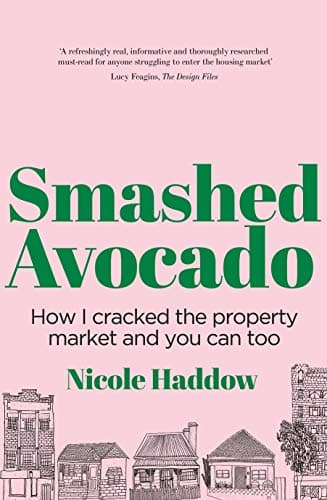
Smashed Avocado
Nicole Haddow
Smashed Avocado
A millennial who ditched the rent trap and cracked the property market by 30, told with honesty and humour. If you have ever been told your brunch is why you cannot buy a home, this Aussie story is your comeback.
The Armchair Guide to Property Investing
Ben Kingsley & Bryce Holdaway

The Armchair Guide to Property Investing
Two of Australia's most trusted property voices lay out a plain-English roadmap to building a portfolio on an average income. Practical, local, and refreshingly free of get-rich-quick hype.
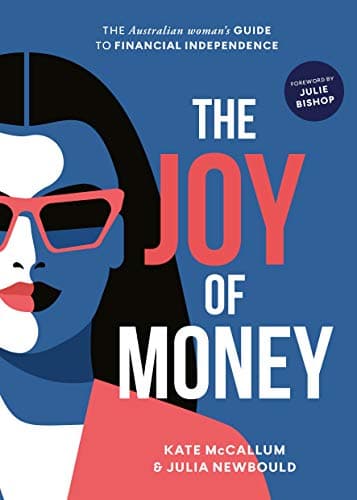
The Joy of Money
Kate McCallum & Julia Newbould
The Joy of Money
Kate McCallum and Julia Newbould map out financial independence for Australian women, from super and investing to insurance and estate planning. Practical, warm and refreshingly free of finance-bro energy.
Some links above are affiliate links. If you buy through them, Snowball Invest may earn a small commission at no extra cost to you. We only recommend books we'd suggest anyway.
Sources
Was this article useful?
Put it to your own numbers
Every calculator runs entirely in your browser, with nothing stored. See what these numbers look like for your own situation.
Try the LMI calculator →General information only. This article is educational and does not constitute personal financial advice. It does not account for your circumstances. Consider your own situation and seek advice from a licensed adviser before acting. Read our full disclaimer.

Timothy Hirou Gaschereau
Founder of Snowball Invest, not a financial adviser.
I write about what I'm learning myself, because nobody ever taught us how to take control of our own money. It's a skill, not a mystery, and it's never too late to learn it. The best day to start was yesterday, the second best is today.
LinkedIn →Related articles

First Home Guarantee: Buy Your First Home With a 5% Deposit
The First Home Guarantee lets eligible buyers in Australia buy with just a 5% deposit and no LMI. See how it works, what changed, and if you qualify.
Guarantor Home Loans: How They Work (and the Risks)
How a guarantor home loan actually works, what the guarantor is really agreeing to, the real risks, and how to remove a guarantor later.

How Much Deposit Do You Need to Buy a House in Australia?
The real deposit numbers: the 20% benchmark, buying with as little as 5% through government schemes, and what a smaller deposit actually costs you.