

Rentvesting: How It Works (and Whether It's Worth It)
How rentvesting actually works, real Australian uptake statistics, the tax side, the related six-year CGT rule, and the genuine risks worth weighing up.
 By Timothy Hirou GaschereauPublished
 9 min read
Rentvesting has gone from a niche workaround to a genuinely mainstream strategy for younger Australians locked out of the suburb they actually want to live in. Here's how it works, the tax side most explainers skim over, and the trade-offs worth being honest about. This is part of a wider guide to property and debt on Snowball Invest.
Quick answer
Rentvesting means renting where you actually want to live, while buying an investment property somewhere more affordable to start building equity sooner. It trades the certainty and grants of owner-occupier status for flexibility and earlier market entry, with real tax differences (negative gearing, capital gains tax) since the property you own isn't the one you live in.
In this guide
- →What rentvesting actually is, and why it's become so common
- →The tax side, and a related variant, the six-year main residence rule
- →A full worked example, and the real risks worth being honest about
- →How recent state tenancy reforms have changed one of those risks
- →Who it actually suits
🏘️ What rentvesting actually is
Instead of buying in the suburb you'd actually like to live in, often the most expensive option, you rent there instead, and buy an investment property somewhere more affordable, sometimes a different city entirely. Rental income and negative gearing help offset the investment property's costs, while you keep the lifestyle flexibility of renting where you actually want to be.
This still assumes you've landed on property as the asset you want. If you're weighing that up against shares first, our property vs shares comparison is the better starting point.
📈 Why it's become so common
The numbers explain a lot of the shift. Around 15% of Australian tenants are now estimated to be rentvestors, and a 2023 survey found 42% of respondents would consider it, well up from roughly a third a few years earlier. Millennials and Gen Z now account for more than half of property investment purchases in the past year, a large share of them rentvestors buying in more affordable markets while renting where they actually want to live.
PropTrack data shows only around one in five properties nationally are currently cheaper to buy than to rent, in the suburbs many people actually want to live in, buying is simply out of reach for now, while renting there and investing elsewhere remains realistic.
💰 The tax side
Because the property you own isn't your home, it's taxed as an investment, not exempt from capital gains tax the way a main residence is, and its holding costs (loan interest, rates, property management, maintenance) are tax-deductible against your income. If those costs exceed the rental income, that's negative gearing, which reduces your taxable income but doesn't eliminate the underlying out-of-pocket cost.
📉 What Is Negative Gearing?
The full mechanics, a worked example, and the risk that gets glossed over.
🔁 A related variant: the six-year rule
A distinct but related scenario: if you've actually lived in a property as your main residence, then moved out and now rent elsewhere while renting that former home out, the ATO's "six-year rule" can let you continue treating it as your main residence for CGT purposes, fully exempt, for up to six years while it's tenanted. This only applies to a property that was genuinely your home first, it isn't a way to apply main-residence treatment to a straightforward rentvested investment property you never lived in.
You can't claim full exemption on two properties at once, so anyone using this rule needs to nominate which property is treated as the main residence for the overlapping period.
🧮 A worked example
Someone wanting to live inner-city, where a home costs $900,000, but unable to save that deposit soon, instead buys a $500,000 investment property in a more affordable regional area with a $50,000 deposit, and continues renting inner-city for $550 a week. Rental income from the investment property covers a meaningful share of its own loan repayments, and they're building equity in a property they own from day one, rather than continuing to save toward the more expensive home with none of that equity growth happening in the meantime.
Where you want to live
Somewhere affordable
Rent it
Your home
Inner-city, $550 a week
Not the plan
Renting cheap, owning nothing
Buy it
Out of reach
$900k you cannot save yet
Your investment
Regional, $500k, tenanted
Rentvesting is the teal diagonal: rent the pricey spot, own the affordable one.
🏡 Borrowing Power Calculator
See what you could realistically borrow for an investment property.
⚠️ The real risks
What it genuinely offers
- ✓Earlier entry into the property market and equity growth
- ✓Flexibility to live wherever suits your lifestyle or career right now
- ✓Rental income and tax deductions help offset the investment property's costs
What it costs or risks
- ✕Usually ineligible for First Home Owner Grants and the First Home Super Saver Scheme
- ✕No security of tenure where you live, a landlord can end a lease
- ✕Managing an investment property remotely adds real logistical complexity
- ✕Relies on the investment property's location performing reasonably over time
🔑 Why the "no security of tenure" risk is smaller than it used to be
🎯 The essential: Most of Australia's largest rental markets have now banned no-grounds evictions, a real, recent change to a risk long treated as a fixed feature of renting.
The lack of security that comes with renting has traditionally been one of rentvesting's clearest downsides, a landlord could end a lease without giving a reason. That's genuinely changed in most of the country. NSW banned no-grounds evictions from May 2025 as part of its biggest rental law overhaul in decades, joining Victoria, Queensland, the ACT and South Australia, which have all fully or partially banned the practice already. Several of these reforms also limit rent increases to once every 12 months, addressing the other common source of renting instability.
This doesn't eliminate the trade-off entirely, a landlord can still end a tenancy on specific, legislated grounds (the owner or a family member moving in, selling the property, and similar), and rules still vary meaningfully by state and territory. But it's a real, recent shift worth updating any older mental model of renting around, the "here today, gone in 30 days for no reason" risk that used to be a fair criticism of rentvesting is now a smaller, more specific risk in most of the country's biggest rental markets than it was even a couple of years ago.
🙋 Who it actually suits
It suits people prioritising lifestyle and location flexibility now, over the certainty of owning where they live, and who are comfortable with the logistics and tax complexity of owning an investment property somewhere else. It suits it less well for anyone who values housing security highly, or who isn't prepared for the reality of managing tenants and maintenance on a property they don't see day to day.
Rentvesting isn't the only alternative to a straightforward purchase either. If you're weighing up renting where you live and skipping property altogether in favour of investing, our rent vs buy calculator models that comparison directly, home equity against an invested portfolio, over your own time horizon.
🏠 How Much Deposit Do You Need?
The deposit math behind buying an investment property versus a home to live in.
SnowLetter
Australia's money news and our best reads, once a week.
❓ Frequently asked questions
Do I lose the First Home Owner Grant if I rentvest?
+
Generally yes, most state First Home Owner Grants require the property to be your principal place of residence, an investment property you don't live in doesn't qualify, which is a genuine trade-off worth weighing against rentvesting's other benefits.
Can I use the First Home Super Saver Scheme if I'm rentvesting?
+
No, the FHSSS requires you to intend to live in the property you buy, it's specifically for owner-occupier purchases, not investment properties, even for a first-time buyer.
Is rentvesting better than just saving for a home you'll live in?
+
Neither is universally better, it depends on your priorities. Rentvesting gets you into the property market and building equity sooner, often in a more affordable area, at the cost of the certainty and grants that come with owner-occupier status, and the flexibility of not living where you own.
What happens if I want to eventually live in my rentvested property?
+
You can move in whenever your tenant's lease allows, at which point it becomes your main residence going forward, though the CGT treatment for the period it was rented out (before you moved in) needs to be calculated separately from the exempt period after.
📚 Recommended reading
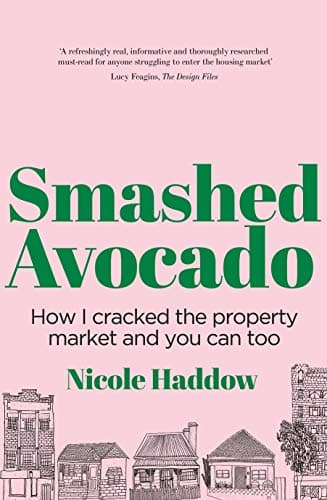
Smashed Avocado
Nicole Haddow
Smashed Avocado
A millennial who ditched the rent trap and cracked the property market by 30, told with honesty and humour. If you have ever been told your brunch is why you cannot buy a home, this Aussie story is your comeback.
The Armchair Guide to Property Investing
Ben Kingsley & Bryce Holdaway
The Armchair Guide to Property Investing
Two of Australia's most trusted property voices lay out a plain-English roadmap to building a portfolio on an average income. Practical, local, and refreshingly free of get-rich-quick hype.
Investopoly
Stuart Wemyss
Investopoly
Melbourne financial adviser Stuart Wemyss boils wealth-building down to 8 clear rules across property, shares and super. A calm, evidence-based playbook for Aussies who want freedom without the guesswork.
Some links above are affiliate links. If you buy through them, Snowball Invest may earn a small commission at no extra cost to you. We only recommend books we'd suggest anyway.
Sources
Was this article useful?
Put it to your own numbers
Every calculator runs entirely in your browser, with nothing stored. See what these numbers look like for your own situation.
Try the Borrowing Power calculator →General information only. This article is educational and does not constitute personal financial advice. It does not account for your circumstances. Consider your own situation and seek advice from a licensed adviser before acting. Read our full disclaimer.

Timothy Hirou Gaschereau
Founder of Snowball Invest, not a financial adviser.
I write about what I'm learning myself, because nobody ever taught us how to take control of our own money. It's a skill, not a mystery, and it's never too late to learn it. The best day to start was yesterday, the second best is today.
LinkedIn →Related articles

Housing Affordability in Australia: The Honest Picture (and What You Can Actually Do)
The current state of housing affordability in Australia, why it got structurally harder, and the real options available to buy anyway.

What Is Negative Gearing? Explained for Property Investors
How negative gearing actually works, a worked tax example, why investors use it, and the real risk that gets glossed over.

How Much Can I Borrow for a Home Loan in Australia?
Wondering how much you can borrow for a home loan in Australia? Learn what drives borrowing power, what quietly cuts it, and how to improve it before you apply.