

Home and Contents Insurance in Australia: The Basics
Most Australian homeowners are underinsured without knowing it. How home and contents insurance works, and how to get the sum insured right.
 By Timothy Hirou GaschereauPublished
 9 min read
This article is general information only, not financial or insurance advice. Costs, limits, and exclusions vary between insurers, always check the current PDS before you buy. If you own an investment property rather than the home you live in, this isn't the policy you need, see our guide to landlord insurance instead.
Quick answer
Home and contents insurance covers your house (buildings insurance) and your belongings (contents insurance), usually bundled into one policy. The biggest risk isn't skipping cover altogether, it's being underinsured. Most Australians insure for less than it would actually cost to rebuild, and when they claim, they get a proportionally smaller payout than they expect. Getting the sum insured right matters more than almost anything else in this guide.
In this guide
- →The real difference between buildings insurance and contents insurance
- →What's typically covered, and the exclusions that catch people out
- →Why underinsurance is Australia's biggest home insurance mistake
- →How to actually calculate your rebuild cost, not your market value
- →What renters need to know about contents cover
🏠 Buildings vs contents: the difference
These two types of cover protect completely different things. Understanding the split is the first step to buying the right policy.
Buildings insurance (also called home building insurance) covers the physical structure of your home: walls, roof, floors, ceilings, built-in fixtures like plumbing and cabinetry, the garage, fences, driveway, and an inground pool if you have one.
Contents insurance covers everything inside the home that you'd take with you if you moved: furniture, appliances, whitegoods, clothing, jewellery, electronics, musical instruments, artwork, and collectibles.
| Feature | Buildings | Contents | Combined |
|---|---|---|---|
| What's covered | Structure, fixtures, garage, pool, fences | Furniture, electronics, clothing, jewellery | Both |
| Who needs it | Homeowners with a mortgage or freehold | Homeowners and renters | Homeowners (most common) |
| Covers rebuild cost? | Yes, up to sum insured | No | Yes, building component |
| Covers legal liability? | Usually | Sometimes | Usually |
| Portable items outside home? | No | Optional add-on | Optional add-on |
Most Australians buy buildings and contents together in a single combined policy. It's almost always cheaper than buying them separately, and it simplifies claims when both the structure and your belongings are damaged in the same event, a house fire, for example.
📋 What home insurance actually covers
Standard policies typically cover the following events:
Usually covered:
- Fire and bushfire
- Storm, rainwater, and hail
- Flood (check your policy carefully, not all include it)
- Theft and burglary
- Malicious damage and vandalism
- Earthquake and lightning
- Escape of liquid, burst pipes and similar
- Impact damage, falling trees, vehicles
Extra benefits most policies include:
- Legal liability: if someone is injured on your property, cover for legal costs and compensation claims
- Temporary accommodation: if your home becomes uninhabitable after an insured event, most policies cover alternative accommodation, usually capped
- Debris removal: demolition and clean-up costs, though these need to be factored into your sum insured
What's usually NOT covered:
- Wear and tear or gradual deterioration
- Pest damage, termites are a classic exclusion
- Intentional damage by the owner
- Damage caused by the sea or tidal flooding
- Landslides and earth movement, check your PDS
Always read the Product Disclosure Statement before you buy. The Key Facts Sheet, which insurers are required to provide, is a useful starting point for comparing policies side by side.
⚠️ The underinsurance problem: Australia's biggest home insurance mistake
This is the part most people skip. Don't.
Underinsurance is genuinely common in Australia, and most people who are underinsured have no idea. Multiple independent industry analyses and surveys have found a meaningful share of Australian homeowners are insured for noticeably less than their actual rebuild cost.
The reason it happens is simple: people confuse market value with rebuild cost.
Your home's market value includes the land. Insurance doesn't cover land, it covers the cost to demolish what's left and rebuild from scratch. That rebuild cost is almost always higher than what you'd sell the house for, especially after the construction cost inflation that followed COVID-19.
The coinsurance clause is the rule that bites you when you claim. Most policies include a coinsurance clause (also called an averaging clause), which kicks in whenever you're underinsured below a threshold, typically 80 to 90% of the true rebuild cost. It limits the insurer's payout to the proportion of the replacement value you've actually insured, and it applies to every claim, not just total losses.
MoneySmart's worked example: insured for $400k, actual rebuild cost $600k
$600,000
True rebuild cost
$400,000
Amount actually insured
That's 33% underinsured. Under a typical coinsurance clause, every claim, not just a total loss, gets paid at 67 cents in the dollar.
MoneySmart's example makes this concrete:
Say your home costs $600,000 to rebuild, but you're only insured for $400,000. You're 33% underinsured.
- Partial damage: a tree falls on your garage, repairs cost $15,000. You claim $15,000, the insurer pays only 67% of that, $10,000. You're out of pocket $5,000 on a $15,000 repair.
- Total loss: your home is destroyed. You claim the full $400,000 policy amount. The insurer applies the coinsurance clause and pays only 67% of $400,000, $268,000. You need $600,000 to rebuild. You're $332,000 short.
That's not a technicality. That's the difference between rebuilding your home and not.
Why does this keep happening? People set their sum insured once and never review it, renovation costs get added to the home but not the policy, and construction costs have risen sharply since 2020 without coming back down. The fix isn't complicated, it just requires actually doing the maths.
Home insurance isn't the only place this happens, life and income protection insurance have the same problem, often on an even bigger scale. Our guide to underinsurance in Australia covers both sides with the real numbers.
🔢 How to calculate your rebuild cost (not market value)
The number you need is the rebuild cost: what it would cost to demolish the existing structure and build an equivalent home from scratch on the same site.
This is not the same as:
- What you paid for the house
- What it would sell for today
- What it's valued at for council rates
What to include in your rebuild cost estimate:
- Demolition and debris removal
- Actual construction cost, materials and labour
- Professional fees, architect, engineer, building surveyor
- Council fees and permits
- Fencing, driveway, and landscaping
- Any outbuildings, pools, or sheds
Most major insurers provide a rebuild cost calculator as part of getting a quote, and MoneySmart's guide to underinsurance walks through how to use one properly. If your home is unusual, built on a slope, made from non-standard materials, or significantly renovated, a formal valuation from a quantity surveyor or registered valuer is worth the cost, it's trivial next to the gap it could close.
Review annually. Building costs have risen significantly since 2020 and haven't stabilised. A sum insured you set three years ago is almost certainly too low today.
Rising construction costs are also a big part of why premiums themselves keep climbing. If your latest renewal came as a shock, our guide to why home insurance is becoming unaffordable in Australia breaks down what's actually driving the increases, and what you can genuinely do about it.
📦 How to calculate your contents value
Most contents policies operate on a new for old basis. If your five-year-old TV is stolen, the insurer replaces it with an equivalent new model, not a depreciated payout. That means you need to think in terms of current replacement cost, not what you paid at the time.
The room-by-room method works best: go through your home room by room and list everything you'd need to replace if it burned down. Be thorough, people consistently underestimate how much their belongings are worth in total. Don't forget:
- Jewellery, often subject to single-item limits
- Electronics: laptops, phones, tablets, gaming consoles
- Musical instruments and sports equipment
- Art, antiques, and collectibles
- Clothing, a full wardrobe adds up fast
🎯 The essential: Most contents policies cap the payout for any single item somewhere in the low thousands unless you list it separately. Check your specific insurer's limit. Own a $5,000 engagement ring or a $3,000 camera? List those items specifically (sometimes called a "schedule" or "rider") to be fully covered.
🔍 Key policy features to compare
Not all policies are equal. Here's what to look at beyond the premium.
Sum insured vs total replacement cover. Most policies are "sum insured," you nominate a dollar amount and that's the maximum payout. A small number of insurers still offer "total replacement" or "guaranteed replacement cost" cover as an optional extra, where the insurer agrees to cover the full rebuild cost regardless of the sum insured. These offer real protection against underinsurance, but they've become less common and generally more expensive since the insurance market hardened following the 2022 floods. Worth asking about directly if it's available for your property.
Excess. The amount you pay out of pocket when you claim. A higher excess reduces your premium, but make sure you can actually afford it in an emergency. There's no point saving a bit on premiums if you can't cover the excess when your roof comes off in a storm.
Flood cover. Not automatically included in every policy. If you're in a flood-prone area, check explicitly whether your policy covers riverine flooding (water escaping from a river or creek) as distinct from storm damage.
Portable contents cover. Standard contents insurance only covers belongings inside the home. Want cover for your laptop at a cafe or your camera on holiday? You'll need to add portable contents cover, usually an optional extra.
🏘️ Renters: do you need contents insurance?
Short answer: yes, but not buildings insurance.
If you're renting, the building is the landlord's responsibility to insure. What you need to protect is everything you own inside it: furniture, electronics, clothing, jewellery, and anything else you'd take with you when you move. Contents insurance for renters works exactly the same way as for homeowners, the same single-item limits apply, the same "new for old" principle applies, and the same underinsurance risk applies.
If you're on the other side of this, renting out a property you own, standard home and contents insurance won't cut it. You need landlord insurance, which covers tenant-related risks that a standard policy excludes entirely: malicious damage by tenants, loss of rental income, and liability as a landlord.
Thinking about rentvesting? If you're renting where you live while owning an investment property, the insurance split matters: contents insurance for your rental home, landlord insurance for the property you own. Our full breakdown of what that landlord policy needs to cover is in landlord insurance in Australia.
🧾 Investment property tax deductions
If you're weighing up buying an investment property alongside insuring the home you live in, this is the next read.
SnowLetter
Australia's money news and our best reads, once a week.
❓ Frequently asked questions
What's the difference between home insurance and home and contents insurance?
+
"Home insurance" usually refers to buildings insurance only, the physical structure. "Home and contents insurance" is the combined policy that covers both the building and your belongings. Most Australians buy the combined version, and it's almost always cheaper than the two separately.
Is home and contents insurance compulsory in Australia?
+
It's not legally required, but if you have a mortgage your lender will almost certainly require you to hold at least buildings insurance as a condition of the loan. Even without a mortgage, going without any cover is a significant financial risk.
How do I know if I'm underinsured?
+
If you haven't reviewed your sum insured in the past 12 months, there's a reasonable chance you are. Use a proper rebuild cost calculator to check, and compare that figure to what your policy actually covers, not what you think the house is worth.
Does home insurance cover flood damage?
+
Not always. Flood cover is often an optional extra or excluded entirely, particularly in high-risk areas. Read your PDS carefully, "storm damage" and "flood damage" are treated differently by most insurers, and the distinction genuinely matters when you claim.
What happens if I underinsure my home and make a claim?
+
Most policies include a coinsurance (averaging) clause. If you're underinsured below a threshold, typically 80 to 90% of rebuild cost, your payout gets reduced proportionally. A 33% underinsurance gap means every claim, including small ones, is paid at 67 cents in the dollar.
Can I get home and contents insurance if I live in a bushfire or flood zone?
+
Yes, but it may cost more and some insurers may decline certain risks. Shop around and compare, coverage and pricing for high-risk areas can vary a lot between insurers.
Where to next
📚 Recommended reading
The Joy of Money
Kate McCallum & Julia Newbould
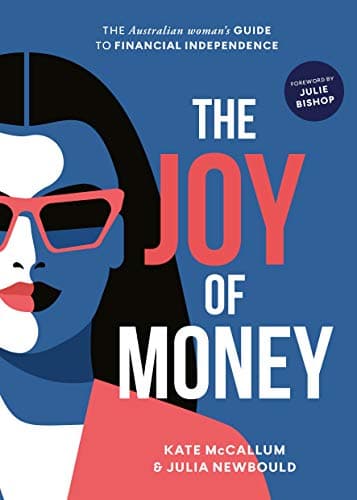
The Joy of Money
Kate McCallum and Julia Newbould map out financial independence for Australian women, from super and investing to insurance and estate planning. Practical, warm and refreshingly free of finance-bro energy.
The Richest Man in Babylon
George S. Clason
The Richest Man in Babylon
The original pay-yourself-first playbook, dressed up as ancient Babylonian parables. Almost a century old and the advice still lands.
The Wealthy Barber
David Chilton
The Wealthy Barber
Personal finance taught as a story, where a small-town barber dishes out timeless wisdom on paying yourself first and investing steadily. The narrative makes the basics stick and the pay-yourself-first rule feeds your super just fine.
Some links above are affiliate links. If you buy through them, Snowball Invest may earn a small commission at no extra cost to you. We only recommend books we'd suggest anyway.
Sources
- 1. Choosing home insurance, Moneysmart, Australian Securities and Investments Commission
- 2. Underinsurance: what it is and how to avoid it, Moneysmart, Australian Securities and Investments Commission
- 3. Contents insurance, Moneysmart, Australian Securities and Investments Commission
- 4. Insurance for consumers, Australian Securities and Investments Commission
Was this article useful?
Put it to your own numbers
Every calculator runs entirely in your browser, with nothing stored. See what these numbers look like for your own situation.
Explore the calculators →General information only. This article is educational and does not constitute personal financial advice. It does not account for your circumstances. Consider your own situation and seek advice from a licensed adviser before acting. Read our full disclaimer.

Timothy Hirou Gaschereau
Founder of Snowball Invest, not a financial adviser.
I write about what I'm learning myself, because nobody ever taught us how to take control of our own money. It's a skill, not a mystery, and it's never too late to learn it. The best day to start was yesterday, the second best is today.
LinkedIn →Related articles

How Underinsured Are Australians, Really?
Most Australians have insurance, but millions have far less than they'd need. The real scale of underinsurance in Australia, and what to do about it.

Renters Insurance in Australia: What It Covers and What It Costs
Renters insurance in Australia covers your belongings, not the building. Learn what it costs, what it covers, and how to choose a policy that fits.

How Much Life Insurance Do You Actually Need in Australia?
Not sure how much life insurance you need? A worked example, the DIME framework, and why the '10x income' rule is a floor, not an answer.