

How to Invest in Gold in Australia
How to invest in gold in Australia: gold ETFs, physical bullion, and mining shares compared, plus the costs, the CGT and GST rules, and how to avoid scams.
 By Timothy Hirou GaschereauPublished
 11 min read
Gold has been a store of value for thousands of years, which gives it a psychological weight few assets have. But it pays no dividends, no interest, no rent, so its entire return is price movement. That makes gold a legitimate portfolio diversifier and a poor substitute for growth assets, both at the same time.
Here is how to invest in gold in Australia, the main routes compared, and the costs, tax and scams to watch.
🎯 The essential: Gold is a traditional store of value and diversifier that tends to hold up during market stress and inflation, but it produces no income and its return is purely price. The easiest way for most Australians is a low-cost, physically-backed gold ETF on the ASX. Physical bullion suits those who want to hold the metal (with storage and insurance), and gold mining shares are a leveraged bet on companies, not on gold. Gold is a CGT asset; investment-grade bullion is GST-free. A common allocation is a small 5 to 10% slice. This is general information, not personal advice, and gold can fall in value.
Why people invest in gold
The case for it:
- Diversifier: gold often has low or negative correlation to shares, holding up when equities sell off hard.
- Inflation hedge: over long horizons it has maintained real value as currencies lose purchasing power.
- Safe-haven: crises and currency stress tend to push investors toward it.
The honest case against: gold produces no income, can be volatile, and goes through long flat periods. It was roughly flat from 2012 to 2018 while the ASX 200 nearly doubled, and it fell sharply in 2008 before recovering. It is a diversifier, not a growth engine, and not a guaranteed safe haven.
The main ways to invest in gold
Gold ETFs on the ASX are the simplest entry point: a physically-backed ETF holds real bullion in a vault, and you buy units like shares, no vault or insurance needed.
The other routes, from easier to more involved:
- Gold mining shares and miner ETFs: leveraged to the gold price (a 10% gold rise might move a miner 20 to 30%), but with company, operational and hedging risk. This is a bet on companies, not on gold, and belongs in a different mental bucket.
- Physical bullion: bars and coins from a reputable dealer (the Perth Mint, ABC Bullion). You own the metal outright with no counterparty, but need secure storage, insurance, and you pay a 1 to 5% dealer premium buying and receive less than spot selling.
- Allocated vs unallocated storage: allocated means specific bars are segregated as yours (safer if the provider fails); unallocated is a claim on a pool (cheaper, but you are an unsecured creditor). The Perth Mint Depository offers both.
- Gold savings/accumulation accounts let you buy small amounts regularly, good for dollar-cost averaging; check whether your holding is allocated or unallocated.
If ETFs are new to you, start with what an ETF is, and our best gold ETF guide compares the specific tickers.
The options compared
| Method | Cost | Storage | Counterparty risk | Who it suits |
|---|---|---|---|---|
| Gold ETF (physically backed) | MER 0.15 to 0.59% + brokerage | None | Low | Most investors |
| Gold mining shares | Brokerage only | None | Company risk | Tactical, higher-risk investors |
| Physical bullion (self-stored) | 1 to 5% premium + storage + insurance | Yes | None | Those wanting direct ownership |
| Perth Mint Depository (allocated) | Fabrication + storage fee | Outsourced | Low (govt-backed) | Vault storage without DIY |
The costs
Costs matter more with gold because there is no income to offset them:
- ETF fees: roughly 0.15% (PMGOLD) to 0.59% (QAU) a year, plus standard brokerage.
- Bullion premiums: 1 to 5% over spot when buying (higher for small or collectible coins), and less than spot when selling, so the round-trip adds up.
- Storage and insurance: a fire-rated home safe ($500 to $1,000+) or a vault's annual fee, plus checking your home and contents policy covers precious metals.
Tax on gold in Australia
Gold held as an investment is a CGT asset: selling at a profit triggers CGT, with the 50% discount for individuals holding over 12 months. Gold ETFs are taxed like other ETFs (distributions assessable, CGT on sale). Keep records of your cost base and dates. On GST, investment-grade bullion (at least 99.5% fineness in bar or coin form) is GST-free, while collectible coins and jewellery may attract GST. See our capital gains tax guide for how the discount works.
How much gold should you hold?
There is no universal rule, but planners commonly cite around 5 to 10% of a portfolio as a reasonable diversifier. Going overweight (30 to 50%) is a concentrated bet on the gold price, not diversification, and given gold pays no income and can sit flat for years, that is a real risk. The right allocation depends on your goals, horizon and overall portfolio.
A note on gold scams
Gold scams are common, and ASIC has removed thousands of investment scam and phishing sites, many involving fake precious metals or "digital gold vault" schemes. Red flags: unsolicited contact via social media or messaging apps, promises of guaranteed returns, high-pressure "act fast" tactics, prices well below market, and operators who cannot show an AFS licence. Only buy from accredited dealers, check the Moneysmart investor alert list, and report anything suspicious to ASIC or Scamwatch.
Frequently asked questions
Is gold a good investment in Australia?
+
It can be a useful diversifier and a hedge against market stress and inflation, but it produces no income, can be volatile, and has gone through multi-year flat periods. Most planners treat it as a small allocation (around 5 to 10%), not a core holding. Whether it suits you depends on your goals and existing portfolio. This is general information, not personal advice.
What is the easiest way to invest in gold in Australia?
+
For most people, a physically-backed gold ETF on the ASX. PMGOLD (Perth Mint, MER around 0.15%) and GOLD (Global X, around 0.40%) are the two most commonly used. You buy them through any ASX broker like a share, with no storage, insurance, or dealer premiums to deal with.
Do I pay CGT on gold in Australia?
+
Yes. Gold held as an investment is a CGT asset, so selling at a profit triggers CGT. If you are an individual and held it for more than 12 months, you are eligible for the 50% CGT discount, which halves the gain included in your assessable income. Keep records of your cost base and purchase date.
Is gold bullion GST-free in Australia?
+
Investment-grade gold bullion is GST-free. The ATO defines investment gold as gold of at least 99.5% fineness in bar or coin form meeting certain conditions. Collectible coins and gold jewellery may not qualify and could attract GST, so check before assuming.
What is the difference between GOLD and PMGOLD ETFs?
+
Both are physically-backed ASX gold ETFs. PMGOLD (Perth Mint, ~0.15%) is backed by unallocated gold held with the Perth Mint, a WA government statutory authority. GOLD (Global X, ~0.40%) is backed by allocated gold in a London vault. PMGOLD is cheaper; GOLD has allocated backing. Neither hedges currency, so both move with the AUD gold price and the AUD/USD rate.
Is physical gold or a gold ETF better?
+
Neither universally. Physical gold gives direct ownership with no counterparty risk, but needs storage and insurance and carries a 1 to 5% dealer premium on the way in and less than spot on the way out. An ETF is cheaper, highly liquid and storage-free, but you do not own the metal directly. For most investors an ETF is more practical.
How much of my portfolio should be in gold?
+
A commonly cited range is around 5 to 10% as a diversifier. Going much higher turns gold from a hedge into a concentrated bet, and it pays no income and can sit flat for years. The right allocation depends on your goals and risk tolerance, so consider a licensed adviser for personalised guidance.
Books worth reading
📚 Recommended reading
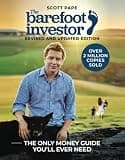
The Barefoot Investor
Scott Pape
The Barefoot Investor
Australia's best-selling money book ever. A simple system for accounts, budgeting, debt and a real emergency fund in one.
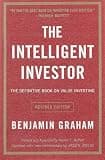
The Intelligent Investor
Benjamin Graham
The Intelligent Investor
The value-investing bible Warren Buffett calls the best book on investing ever written. It is old-school and US-flavoured, so read it for the timeless mindset on risk and 'Mr Market', not the specific stock tips.
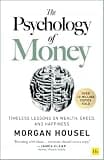
The Psychology of Money
Morgan Housel
The Psychology of Money
19 short stories on how people actually think and feel about money, not just the maths of it.
Some links above are affiliate links. If you buy through them, Snowball Invest may earn a small commission at no extra cost to you. We only recommend books we'd suggest anyway.
Sources
- ATO, capital gains tax
- ATO, GST and precious metals
- ASIC Moneysmart, investing
- ASIC Moneysmart, investor alert list
General information only, not personal financial advice. Gold can fall in value and past performance is not a reliable indicator of future returns. Tax rules can change. Consider a licensed financial adviser and a registered tax agent before acting.
Was this article useful?
Put it to your own numbers
Every calculator runs entirely in your browser, with nothing stored. See what these numbers look like for your own situation.
Explore the calculators →General information only. This article is educational and does not constitute personal financial advice. It does not account for your circumstances. Consider your own situation and seek advice from a licensed adviser before acting. Read our full disclaimer.

Timothy Hirou Gaschereau
Founder of Snowball Invest, not a financial adviser.
I write about what I'm learning myself, because nobody ever taught us how to take control of our own money. It's a skill, not a mystery, and it's never too late to learn it. The best day to start was yesterday, the second best is today.
LinkedIn →Related articles

Where to Invest Money in Australia
Not sure where to invest money in Australia? A plain-English map of the main options, the risk and return of each, and how to match them to your goals.

Core and Satellite Investing in Australia
Learn what a core and satellite portfolio is, how to size the split, pick core and satellite ETFs, and whether it suits Australian DIY investors.

How to Rebalance Your ETF Portfolio in Australia
Your ETF portfolio drifts over time. Learn how to rebalance it in Australia, when to do it, how to sidestep extra CGT, plus a worked example with numbers.