

Core and Satellite Investing in Australia
Learn what a core and satellite portfolio is, how to size the split, pick core and satellite ETFs, and whether it suits Australian DIY investors.
 By Timothy Hirou GaschereauPublished
 8 min read
A core and satellite portfolio pairs a broad, low-cost ETF base with a few smaller, targeted positions. It gives you the discipline of a passive core and the flexibility to act on a conviction without betting the house on it. Here is how Australian investors can build one without overcomplicating it. This is part of our wider getting started with investing guide on Snowball Invest. General information only, not personal financial advice.
Quick answer
A core and satellite portfolio puts most of your money (usually 70 to 90 percent) into a broad, low-cost ETF, and a smaller slice into targeted positions that express a view: a sector, a region, or an income tilt. The satellites let you scratch the itch to tinker without risking the whole portfolio. Many investors are genuinely better off with just the core, and that is a solid strategy, not a compromise.
In this guide
- →What the core and the satellites actually are
- →Why the structure suits DIY investors
- →How to size the split and stick to it
- →Example core and satellite ETFs used in Australia
- →The honest risks, and when one fund is better
🛰️ What is a core and satellite portfolio?
The strategy splits your investments into two parts. The core is a large, broad-market holding. It is diversified, low-cost, and designed to sit there doing its job without much fuss. Think of it as the engine of the portfolio.
The satellites are smaller positions around the edge. Each one expresses a specific view: a sector you believe in, a region you want more of, an income tilt, or a theme you want to follow. They are deliberate add-ons, not the main event.
🎯 The essential: The structure is popular with Australian DIY investors because it gives you both discipline and flexibility. You get the low cost and wide diversification of a passive core, plus a small, ring-fenced allocation to act on a conviction.
🧠 Why investors use this strategy
The core does the heavy lifting. A broad-market ETF keeps your costs low, your diversification wide, and your returns close to the market. You are not trying to beat the market with the bulk of your money.
The satellites give you something to do, and that is not a trivial point. One of the biggest behavioural risks in investing is tinkering with a perfectly good portfolio out of boredom or fear of missing out. Giving yourself a small, contained allocation to express a view can actually protect the core by channelling that urge somewhere safe.
It also suits investors who have a genuine conviction about a theme, region, or style but do not want to bet everything on it. You can hold a tech or emerging-markets satellite without those positions dominating your outcomes.
📐 How to size your core and satellites
The common rule of thumb: the core should be 70 to 90 percent of your portfolio, with satellites making up the remaining 10 to 30 percent. A larger core keeps your returns closer to the broad market. A larger satellite allocation means more potential to diverge, for better or worse.
Here is a simple illustration on a $10,000 portfolio: $8,000 (80%) in a broad diversified ETF as the core, and $2,000 (20%) split across one or two targeted satellites. This is an illustration only. The right split depends on your goals, risk tolerance, and time horizon.
What matters is that you decide the split before you buy anything. Write it down. Stick to it.
🌍 Core ETF examples for Australians
The core should be broad, low-cost, and set-and-forget. There are two common approaches.
Option 1: a single diversified fund. One ETF that holds everything, then you add to it over time. VDHG (Vanguard Diversified High Growth ETF) is roughly 90% growth and 10% defensive across Australian and global shares plus bonds. DHHF (BetaShares Diversified All Growth ETF) is 100% shares across Australian and global markets at a low cost. Both are genuinely excellent core options for investors who want simplicity. See our VDHG guide for a deeper look.
Option 2: a two-fund combo. Combine VAS (Australian shares) with VGS (developed international shares), which lets you control the Australia versus international split yourself. The trade-off is that you decide and maintain that split. Our simple portfolio guide walks through how to build around either approach.
🎯 Satellite ETF examples
Satellites should be deliberate. Each one should have a clear reason for being there. See our guide on how many ETFs to own before you start adding. Here are common satellite categories Australian investors use, with examples.
| Category | Example ETFs | What it adds |
|---|---|---|
| Thematic | NDQ, HACK | Concentrated tech or sector exposure |
| Dividend and income | VHY | A tilt to higher-yielding Australian companies |
| Small caps | VSO | Smaller companies a broad index underweights |
| Single-country or regional | IVV, VGE | Pure US large-cap or emerging markets |
| ESG and ethical | ETHI | A screen for sustainability leaders |
None of these are recommendations. They are examples of the types of satellite ETF that Australian investors commonly use. Always read the product disclosure statement before investing in any ETF.
⚠️ The honest risks
This strategy has real downsides, and it is worth being clear-eyed about them.
Satellites can drag your returns. Most actively tilted positions underperform a broad market index over long periods. Your thematic or sector bet might look great for a year and then sit flat for five. That is common, not unusual.
More holdings mean more complexity. Every additional ETF is another line in your tax records, another position to rebalance, another brokerage cost when you buy or sell. That complexity compounds over time.
Fear of missing out is a genuine risk. The temptation to add a new satellite every time a theme hits the headlines is real, and chasing themes is one of the most reliable ways to buy high and sell low. Each new satellite should clear a high bar.
Many investors are better off with just the core. A single diversified ETF, held consistently over many years, will outperform most satellite-heavy portfolios after costs. That is not settling. It is a genuinely strong strategy.
🥊 Core and satellite vs one fund
The core and satellite strategy suits investors who want some expression of a view but still want a disciplined base. It works best when the satellite allocation is small, deliberate, and reviewed regularly.
A one-fund portfolio (VDHG, DHHF, or similar) is simpler, cheaper to run, and often performs just as well or better after costs. There is no rebalancing between holdings, no temptation to tinker, and no extra tax complexity. Neither approach is universally superior. The right choice depends on whether you have a genuine, long-term conviction to express, and whether you have the discipline to keep satellites small. If you are not sure, the one-fund approach is a sensible default. See our simple portfolio guide for more on that path.
📈 Compound Interest Calculator
Model how a low-cost core compounds over decades, so you can weigh whether a satellite bet is really worth the extra complexity.
🧭 How to keep it disciplined
The strategy only works if you stick to it. The habits that matter:
- Set your allocation in writing before you buy. Core 80%, satellites 20%, for example. Make it concrete.
- Limit satellites to a fixed number. Two or three maximum is a reasonable ceiling for most investors.
- Rebalance once or twice a year, not on every market move. Frequent rebalancing adds cost and encourages emotional decisions.
- Before adding any satellite, ask whether you would hold it for 10 years. If the honest answer is no, do not buy it.
- If a satellite no longer fits your thesis, exit it cleanly. A position you no longer believe in is just clutter.
Core and satellite is a framework, not a licence to keep adding ETFs. Discipline is the whole point.
SnowLetter
Australia's money news and our best reads, once a week.
❓ Frequently asked questions
What is a core and satellite portfolio?
+
A core and satellite portfolio is a structure where the majority of your money sits in a broad, low-cost, diversified holding (the core), and a smaller portion sits in targeted positions (the satellites). The core captures broad market returns. The satellites express a specific view, such as a sector, region, or income tilt.
How big should the core be?
+
The core is typically 70 to 90 percent of the total portfolio. A larger core keeps your returns closer to the broad market and reduces the impact of any single satellite underperforming. Most investors starting out are better served by a larger core rather than a smaller one.
What are good satellite ETFs for Australian investors?
+
Common satellite categories include thematic (NDQ, HACK), dividend-focused (VHY), small-cap (VSO), single-country (IVV, VGE), and ESG-screened (ETHI). The right satellite depends on your specific conviction and time horizon. Always read the product disclosure statement and consider your own circumstances before investing.
Is core and satellite investing worth it?
+
It depends on the investor. The strategy adds value when satellites are deliberate, small, and held for the long term. It destroys value when satellites are added impulsively, become too large, or are traded frequently. Many investors find a simple one-fund portfolio performs just as well or better after costs, with far less complexity.
How is core and satellite different from a one-fund portfolio?
+
A one-fund portfolio, such as VDHG or DHHF, holds everything in a single ETF. Core and satellite splits the portfolio into a broad base plus smaller targeted positions. The one-fund approach is simpler and often cheaper to run. Core and satellite gives you more flexibility to express a view, but requires more discipline to manage well.
📚 Recommended reading
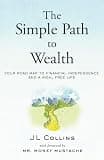
The Simple Path to Wealth
JL Collins
The Simple Path to Wealth
The friendliest on-ramp to index investing there is, born from letters a dad wrote his daughter. It makes 'buy the whole market and chill' feel obvious, just map his US fund picks onto Aussie equivalents and super.
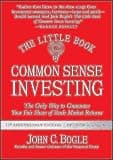
The Little Book of Common Sense Investing
John C. Bogle
The Little Book of Common Sense Investing
From the man who invented the index fund, this is the short, sharp case for low-cost investing that has aged like fine wine. The maths on fees is universal, just think ETFs and super instead of his US funds.
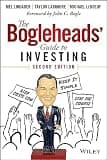
The Bogleheads' Guide to Investing
Taylor Larimore, Mel Lindauer & Michael LeBoeuf
The Bogleheads' Guide to Investing
The friendly community bible of low-cost, buy-and-hold index investing, written by everyday investors rather than salespeople. The core philosophy is timeless for Aussies, just read the tax-advantaged account bits as super.
Some links above are affiliate links. If you buy through them, Snowball Invest may earn a small commission at no extra cost to you. We only recommend books we'd suggest anyway.
Sources
Was this article useful?
Put it to your own numbers
Every calculator runs entirely in your browser, with nothing stored. See what these numbers look like for your own situation.
Explore the calculators →General information only. This article is educational and does not constitute personal financial advice. It does not account for your circumstances. Consider your own situation and seek advice from a licensed adviser before acting. Read our full disclaimer.

Timothy Hirou Gaschereau
Founder of Snowball Invest, not a financial adviser.
I write about what I'm learning myself, because nobody ever taught us how to take control of our own money. It's a skill, not a mystery, and it's never too late to learn it. The best day to start was yesterday, the second best is today.
LinkedIn →Related articles
How Many ETFs Should You Own?
Wondering how many ETFs you should own? Most Australians need just 1 to 3. Here is how to build a simple, genuinely diversified ETF portfolio.
How to Build a Simple Investment Portfolio
How to turn shares, ETFs and everything else you've learned into an actual portfolio: deciding your asset mix, one fund vs several, and why simple usually wins.

How to Rebalance Your ETF Portfolio in Australia
Your ETF portfolio drifts over time. Learn how to rebalance it in Australia, when to do it, how to sidestep extra CGT, plus a worked example with numbers.