

How to Lower Your Electricity Bill in Australia (Ranked by Impact)
From switching retailers in 30 minutes to installing solar, here are the most effective ways to lower your electricity bill in Australia, ranked by impact.
 By Timothy Hirou GaschereauPublished
 11 min read
Power bills have surged, but here is the thing: most Australians overpay not because electricity is expensive, but because they have never switched retailer or checked their tariff. This is a ranked, practical guide to lowering your electricity bill, from free five-minute wins to bigger upgrades, starting with the moves that actually move the needle.
Want to know what a normal bill even looks like first? See our average electricity bill guide. This one is all about cutting it. Savings below are estimates that vary by household, so treat them as a guide. Electricity is just one line: for the whole household, our guide to lowering your bills across the board applies the same approach to every provider you pay.
🎯 The essential: Switch retailer or plan first: most people are on an expensive standing offer and overpay $200-$500+ a year, and it takes under an hour. Then check your tariff (controlled load for electric hot water is a big one). Free behaviour changes (standby, draughts, cold washes) add $200-$400. Bigger levers (heat pump hot water, solar, and now subsidised batteries) pay off over a few years. Do the free stuff before the $10k battery.
Compare and switch retailer or plan (the biggest win)
This is the single biggest lever for most households and it costs nothing but an hour. When you move in and do not choose a plan, you are put on a standing offer, the retailer's most expensive rate. Switching to a competitive market offer saves an average household an estimated $200 to $500+ a year. Use the free, independent government tools: Energy Made Easy (NSW, QLD, SA, TAS, ACT) or Victorian Energy Compare. Compare by estimated annual cost, not the headline rate, and watch out for conditional pay-on-time discounts that vanish if you slip up.
Check you are on the right tariff
Switching retailer is step one; the right tariff is step two. Flat rate is the same price all day. Time-of-use is cheap off-peak and dear 3pm-9pm: great if you can shift the dishwasher, washing and pool pump to off-peak (saves $100-$300), costly if you cannot. The one that catches people out: if you have an electric storage hot water system and are not on a controlled load tariff, you are paying peak rates to heat water. Getting onto controlled load can save $150-$400 a year, and it is usually a free phone call.
Behaviour changes that cost nothing
- Set points: heat to 18-20°C, cool to 25-27°C. Each degree beyond adds 5-10% to those costs.
- Draught proofing: sealing gaps cuts heating and cooling 10-25% for $20-$100 in materials ($100-$300 a year).
- Cold washes: modern detergents work cold, saving $50-$100 a year.
- Shorter showers (electric hot water): cutting 2 minutes saves $50-$150 per person.
- Standby power: switching devices off at the wall saves $85-$150 a year.
- Shift big loads off-peak if you are on time-of-use, especially the pool pump.
Appliance upgrades that pay for themselves
Heat pump hot water is the best upgrade for most homes: 60-75% less electricity than an electric element, roughly $1,000-$3,000 installed after state rebates, and $400-$900 a year saved (2-5 year payback). A reverse-cycle split system is 3-5 times more efficient than a plug-in heater and usually cheaper than gas, saving $200-$600 on heating. LED lighting uses ~75% less than halogens for $5-$15 a globe ($100-$200 a year), and a modern efficient fridge can save $50-$200 versus an early-2000s unit. Check the Energy Rating label before you buy, and check rebates first.
Solar panels and home batteries
A 6.6kW solar system costs about $5,000-$9,000 after the federal STC rebate and saves an estimated $1,000-$2,000+ a year. Feed-in tariffs have dropped, so self-consumption (running appliances in daylight) matters more than ever; payback is typically 4-8 years. Home batteries got much more viable from 1 July 2025: the Cheaper Home Batteries Program cuts the upfront cost of an eligible battery by roughly 30% (around $1,000-$4,000). Even so, battery payback is often 7-12 years, so get 3 quotes and look into a Virtual Power Plant to improve the maths.
Government rebates and concessions
Most states and territories offer energy concessions for pensioners, Health Care Card holders and low-income families, and there are rebates for things like heat pump hot water. The federal Energy Bill Relief credits ran through to December 2025. It is a whole topic on its own, so see our dedicated guide to energy rebates and concessions by state for the full list and how to claim.
How much can you save?
Estimates for a typical household. Start at the top (free, high-impact) and work down.
| Action | Effort | Rough annual saving |
|---|---|---|
| Compare and switch plan | Low (30-60 min) | $200-$500+ |
| Controlled load tariff (electric HWS) | Low (one call) | $150-$400 |
| Draught proofing | Low-Medium | $100-$300 |
| Standby + cold washes | Low (free) | $150-$350 |
| Heat pump hot water | High (upfront) | $400-$900 |
| Solar 6.6kW | High (upfront) | $1,000-$2,000+ |
The unglamorous truth: most people can cut $300-$800 off their annual bill just by switching retailer, fixing their tariff, killing standby power and draught proofing, in a single afternoon. Do that before the $10k battery.
❓ Frequently asked questions
What is the fastest way to reduce my electricity bill?
+
Compare and switch retailer or plan using Energy Made Easy (NSW, QLD, SA, TAS, ACT) or Victorian Energy Compare (VIC). It takes 30 to 60 minutes and can save hundreds a year. It is the highest-impact, lowest-effort move for most households.
Does switching electricity retailers affect my supply?
+
No. The poles, wires and infrastructure are managed by your network distributor, not your retailer. Switching is a billing change only, with no interruption to your power.
Is solar worth it in Australia?
+
For most homes with reasonable daytime usage, or the ability to shift loads to daylight, yes. Feed-in tariffs are lower than they were, so self-consumption is the key to a good payback. A well-sized 6.6kW system typically pays for itself in 4 to 8 years. Get at least 3 quotes from Clean Energy Council accredited installers.
What is the Cheaper Home Batteries Program?
+
A federal subsidy from 1 July 2025 that cuts the upfront cost of eligible home batteries by roughly 30% (about $1,000 to $4,000 depending on size). It works through the Small-scale Renewable Energy Scheme, like the solar rebate. The battery must be connected to solar and installed by an accredited installer. Check the Clean Energy Regulator for current detail.
What temperature should I set my air conditioner to save money?
+
Set heating to 18-20°C and cooling to 25-27°C. Each degree outside these ranges adds roughly 5 to 10% to your heating and cooling costs. Use the timer so the system is not running in an empty house.
Can I get a government rebate to help with my electricity bill?
+
Yes. Most states and territories offer concessions and rebates for eligible households, including pensioners, Health Care Card holders and low-income families. See our dedicated energy rebates guide for what is currently available and how to claim it.
Keep reading
📚 Recommended reading
The Barefoot Investor
Scott Pape

The Barefoot Investor
Australia's best-selling money book ever. A simple system for accounts, budgeting, debt and a real emergency fund in one.
Making Money Made Simple
Noel Whittaker

Making Money Made Simple
Australia's classic, comprehensive money guide covering tax, super and investing, updated for today.
Money School
Lacey Filipich
Money School
Lacey Filipich shows how to buy back your time, not just budget your dollars, with a clear path from saving to financial independence. It is refreshingly Australian and genuinely doable, even if maths was never your thing.
Some links above are affiliate links. If you buy through them, Snowball Invest may earn a small commission at no extra cost to you. We only recommend books we'd suggest anyway.
Sources
This article is general information only, not energy or financial advice. Savings are estimates that vary by household, tariff, location and usage. Rebate and subsidy rules change, so confirm the current detail with the relevant government body before acting.
Was this article useful?
Put it to your own numbers
Every calculator runs entirely in your browser, with nothing stored. See what these numbers look like for your own situation.
Explore the calculators →General information only. This article is educational and does not constitute personal financial advice. It does not account for your circumstances. Consider your own situation and seek advice from a licensed adviser before acting. Read our full disclaimer.

Timothy Hirou Gaschereau
Founder of Snowball Invest, not a financial adviser.
I write about what I'm learning myself, because nobody ever taught us how to take control of our own money. It's a skill, not a mystery, and it's never too late to learn it. The best day to start was yesterday, the second best is today.
LinkedIn →Related articles
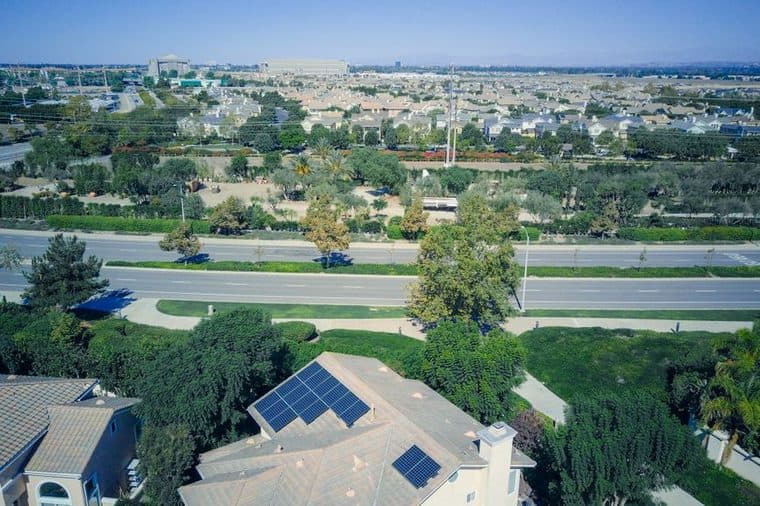
Is Solar Worth It in Australia? The Honest 2025 Numbers
Is solar worth it in Australia? Honest 2025-26 numbers on costs, payback periods, batteries and rebates, without the sales pitch.
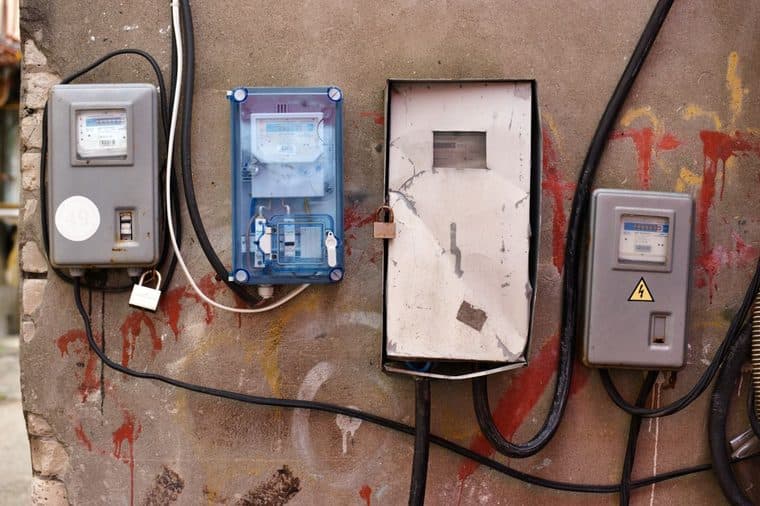
Average Electricity Bill in Australia: By State and Household Size
What is a normal electricity bill in Australia? 2025-26 averages by household size and state, how to read your bill, and how to benchmark your usage.
Average Gas Bill in Australia: What You Are Paying
What does the average gas bill in Australia actually cost? State-by-state figures, why winter hurts, and practical ways to cut your bill.