

Energy Rebates in Australia: Every Discount You Can Claim
Pensioner, seniors or family rebates on your energy bill? A plain-English guide to every federal and state energy rebate and concession in Australia.
 By Timothy Hirou GaschereauPublished
 11 min read
Energy bills are brutal right now, and here is the part that stings: there is real government money sitting on the table that plenty of households never pick up. Some energy rebates apply automatically, some take a five-minute application, and a few are genuinely obscure. This guide covers all of them, state by state, so you can work out exactly what you are owed.
One note up front: amounts and rules change every financial year. The program names and status here are current as of 2025-26, but always check your state government's energy or concessions website for the current dollar figures before applying. General information only, not advice.
🎯 The essential: The federal Energy Bill Relief Fund ended for households on 31 December 2025. The ongoing money is at the state level, and almost all of it is unlocked by a concession card (Pensioner Concession Card, Health Care Card, Commonwealth Seniors Health Card or DVA card). Register your card with your retailer and most concessions apply automatically. NSW's Seniors and Family Energy Rebates need a separate Service NSW application. And always compare plans too.
The federal Energy Bill Relief Fund (now closed)
The Energy Bill Relief Fund delivered automatic bill credits through your retailer: $300 per household in 2024-25, then a final $150 (two $75 credits) covering July to December 2025. After 31 December 2025 it concluded for households. So if you are wondering why there is no federal credit on your 2026 bill, that is why. The recurring support now lives with the states.
Ongoing state and territory concessions
The permanent support comes from state and territory governments, and over time it adds up to more than the federal top-up ever did. The common thread is your concession card: hold one of these and you are likely eligible for something.
Most programs apply automatically once you register your card with your electricity retailer. A few (notably in NSW) need a separate application, flagged below.
State-by-state breakdown
| State / Territory | Main program | Who is eligible |
|---|---|---|
| NSW | Low Income, Seniors and Family Energy Rebates | Concession cards, CSHC holders, FTB recipients |
| VIC | Annual Electricity Concession (17.5% off usage) | PCC, HCC, DVA Gold Card |
| QLD | Electricity Rebate (~$399) | Seniors Card, PCC, HCC, DVA Gold |
| SA | Energy Bill Concession + Cost of Living Concession | Concession card holders |
| WA | Energy Assistance Payment + HUGS (hardship) | Concession card holders / hardship |
| TAS | Annual Electricity Concession (daily rate) | Concession card holders |
| ACT | Utilities Concession (~$800, elec/gas/water) | PCC, HCC, DVA Gold (not CSHC) |
| NT | NT Concession Scheme (up to $1,200) | NT Concession Scheme members |
NSW is the most layered: the Low Income Household Rebate (auto, via retailer), plus the Seniors Energy Rebate and Family Energy Rebate (both via Service NSW). Victoria's concession is a 17.5% discount on usage rather than a flat amount. NT is the most generous headline figure at up to $1,200 a year.
Targeted rebates worth knowing
NSW Seniors Energy Rebate is the most-missed one: up to $200 a year for self-funded retirees with a Commonwealth Seniors Health Card, because many do not realise their card qualifies them and it needs a separate application. The Family Energy Rebate is for households on Family Tax Benefit. Medical and life support rebates exist in every state for households with oxygen concentrators, dialysis or ventilators (get a doctor's certificate and register the equipment). And appliance rebates (the federal solar certificates, the Cheaper Home Batteries Program, and state heat pump hot water rebates) cut the upfront cost of the upgrades in our lower-your-bill guide.
How to claim, step by step
- Check which concession cards you hold (each unlocks different programs).
- Register your card with your electricity (and gas) retailer. This one step, five minutes, unlocks most concessions.
- Check your state's energy site for programs that need a separate application (Seniors and Family rebates in NSW).
- Register any life support or medical equipment with your retailer, with a doctor's certificate.
- Ask about appliance rebates if you are considering solar, a battery or a heat pump.
Do not forget to switch plans
A rebate is a bonus on top of your plan, not a substitute for a good one. We have seen households with a $200 concession still paying $400 a year more than they need to on an outdated default rate. Compare using Energy Made Easy (or Victorian Energy Compare in VIC): switching is free, there are no exit fees on standard plans, and it can save $200 to $500 a year. Do the rebate and the plan comparison. See our full guide to lowering your electricity bill and how yours compares to the average bill.
❓ Frequently asked questions
What is the Energy Bill Relief Fund and is it still running?
+
It was a federal program that delivered automatic bill credits to households through their retailer, running from 2023-24 to 31 December 2025, when it concluded for households. It is no longer running. Ongoing support is now through state and territory concession programs.
How do I know if I qualify for an energy rebate?
+
Start with your concession cards. If you hold a Pensioner Concession Card, Health Care Card, Commonwealth Seniors Health Card or a DVA card, you almost certainly qualify for at least one state energy concession. Check your state government's energy or concessions site for your card type.
Do I need to apply for energy rebates or are they automatic?
+
Most state concessions apply automatically once you register your concession card with your electricity retailer. Some programs, particularly in NSW (the Seniors Energy Rebate and Family Energy Rebate), need a separate application through Service NSW. Check your state's site to confirm.
What is the Seniors Energy Rebate in NSW?
+
Up to $200 a year for self-funded retirees who hold a Commonwealth Seniors Health Card and are the named electricity account holder. It is not available to Pensioner Concession Card holders (they use the Low Income Household Rebate). Apply through Service NSW with a recent bill and your card.
Can I get a rebate for solar panels or a heat pump hot water system?
+
Yes. The federal Small-scale Renewable Energy Scheme cuts the upfront cost of eligible solar through certificates, and the Cheaper Home Batteries Program (from 1 July 2025) extends this to home batteries. Victoria has its own solar rebates, and several states offer heat pump hot water rebates. Ask your installer what is available.
What if I am struggling to pay my energy bill right now?
+
Contact your retailer first: they must offer hardship programs and cannot disconnect you while you are on one. NSW has EAPA vouchers, and WA has the Hardship Utility Grant Scheme (up to $640, or $1,060 in northern WA). You can also call the National Debt Helpline on 1800 007 007 for free financial counselling.
Keep reading
📚 Recommended reading
The Barefoot Investor
Scott Pape

The Barefoot Investor
Australia's best-selling money book ever. A simple system for accounts, budgeting, debt and a real emergency fund in one.
Making Money Made Simple
Noel Whittaker

Making Money Made Simple
Australia's classic, comprehensive money guide covering tax, super and investing, updated for today.
Money School
Lacey Filipich
Money School
Lacey Filipich shows how to buy back your time, not just budget your dollars, with a clear path from saving to financial independence. It is refreshingly Australian and genuinely doable, even if maths was never your thing.
Some links above are affiliate links. If you buy through them, Snowball Invest may earn a small commission at no extra cost to you. We only recommend books we'd suggest anyway.
Sources
This article is general information only, not financial advice. Energy rebate programs, amounts and eligibility change frequently and vary by state and territory. Always check your state or territory government's energy or concessions website for the current detail before applying.
Was this article useful?
Put it to your own numbers
Every calculator runs entirely in your browser, with nothing stored. See what these numbers look like for your own situation.
Explore the calculators →General information only. This article is educational and does not constitute personal financial advice. It does not account for your circumstances. Consider your own situation and seek advice from a licensed adviser before acting. Read our full disclaimer.

Timothy Hirou Gaschereau
Founder of Snowball Invest, not a financial adviser.
I write about what I'm learning myself, because nobody ever taught us how to take control of our own money. It's a skill, not a mystery, and it's never too late to learn it. The best day to start was yesterday, the second best is today.
LinkedIn →Related articles
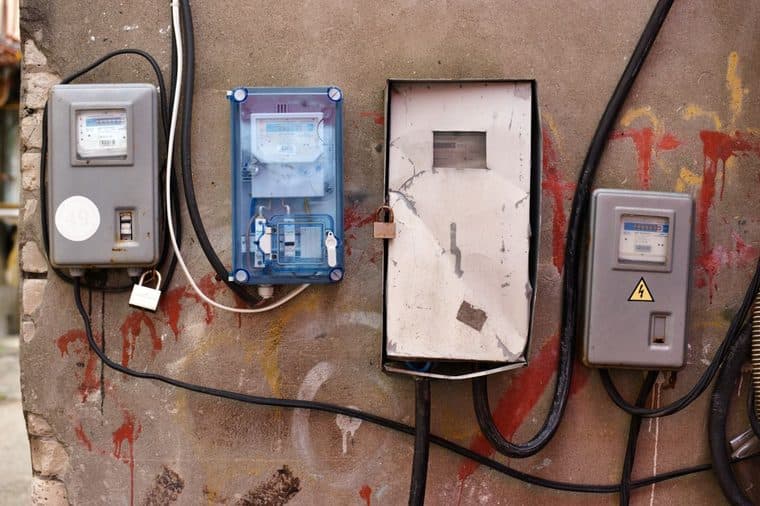
Average Electricity Bill in Australia: By State and Household Size
What is a normal electricity bill in Australia? 2025-26 averages by household size and state, how to read your bill, and how to benchmark your usage.

Pensioner Concession Card: What It Is and What You Get
The Pensioner Concession Card is issued automatically with qualifying Centrelink and DVA payments. What it gives you, from PBS savings to state concessions.

Commonwealth Rent Assistance: How Much You Can Get
Commonwealth Rent Assistance is a fortnightly top-up for renters on Centrelink payments. Who qualifies, how it is calculated, and how to make sure you get it.