

Average Electricity Bill in Australia: By State and Household Size
What is a normal electricity bill in Australia? 2025-26 averages by household size and state, how to read your bill, and how to benchmark your usage.
 By Timothy Hirou GaschereauPublished
 10 min read
Opened your power bill and wondered if everyone else is paying this much? You are not alone. The average electricity bill in Australia lands somewhere between $1,500 and $2,000 a year for a typical household, but the real number swings a lot with your state, your household size, and how you use energy.
This guide gives you the benchmarks (by household size and by state), explains what actually drives the bill, and shows you how to work out whether yours is high. Figures are estimates that vary by retailer, plan and usage, so treat them as a guide, not a quote.
🎯 The essential: A typical 2-3 person household pays about $1,500 to $2,000 a year, or $375 to $520 a quarter. Bills rose in most states from 1 July 2025 (NSW hardest, up to ~10%). Tasmania and the ACT run high thanks to cold winters; SA has the priciest per-kWh rates. Heating and cooling alone can be 40-50% of your usage. If your bill looks high, benchmark your kWh against your household size, then compare plans.
What is the average electricity bill?
The short answer: roughly $1,500 to $2,000 a year for a household of 2-3 people, or $375 to $520 a quarter. The range is wide on purpose, because your bill depends on your state, network area, retailer, tariff and usage. What is clear is that bills rose in 2025-26: from 1 July 2025 the regulator's Default Market Offer lifted standing-offer prices by 8.3% to 9.7% in NSW, and by smaller amounts in Queensland and SA, with Victoria's default offer up about 1.2%.
Average bill by household size
| Household size | Annual | Quarterly |
|---|---|---|
| 1 person | $1,252 | ~$313 |
| 2 people | $1,548 | ~$387 |
| 3 people | $1,910 | ~$478 |
| 4 people | $2,015 | ~$504 |
| 5+ people | $2,447 | ~$612 |
Usage scales too: a 1-person home uses about 3,155 kWh a year (8.65 kWh/day), a 4-person home about 6,931 kWh (19 kWh/day). Keep those in mind for the benchmarking step below.
Average bill by state and city
Bills vary by state thanks to network costs, climate, and how competitive the retail market is. The 2025-26 estimates:
| State / City | Annual estimate | Quarterly |
|---|---|---|
| NSW / Sydney | $1,965-$2,411 | $491-$603 |
| VIC / Melbourne | $1,547-$1,908 | $387-$477 |
| QLD / Brisbane | $2,072-$2,143 | $518-$536 |
| SA / Adelaide | $1,908-$2,301 | $477-$575 |
| WA / Perth | $1,490-$2,200 | $373-$550 |
| TAS / Hobart | ~$2,336 | ~$584 |
| ACT / Canberra | $1,732-$2,336 | $433-$584 |
Tasmania and the ACT run high because cold winters push heating usage up. SA has the highest per-kWh rates in the National Electricity Market. WA is a separate regulated market (Synergy is effectively a monopoly), so there is little to shop around. Victoria has the most competitive market, so active switchers often beat the default offer.
What actually drives your bill
Every bill has two parts: a fixed supply charge (a daily connection fee, usually $1 to $2 a day, so $90 to $180 a quarter before you use anything) and a usage charge (cents per kWh for what you consume, where most of the bill comes from). Your tariff type matters too: flat rate, time-of-use (cheaper off-peak, dearer 3pm-9pm), or a cheaper controlled-load rate for hot water and pool pumps.
The biggest usage culprits:
- Heating and cooling: 40-50% of usage in most homes. The reason bills spike in summer and winter.
- Hot water: electric resistance systems are dear; a heat pump uses 60-75% less.
- Pool pumps: running 8 hours a day can add $600 to $1,000 a year. A variable-speed pump helps.
- People and appliances: more of everything, which the household-size table already captures.
How to read your bill and find your cost per kWh
Bills are not built for easy reading. To find your real cost per kWh: take the total charges, subtract the supply charge (daily rate times days in the period), then divide the rest by your kWh usage.
Worked example. A $487 quarterly bill over 90 days, supply charge $1.50/day ($135), leaves $352 of usage charges. At 1,100 kWh used, that is a usage rate of 32c/kWh and a blended rate of 44c/kWh ($487 / 1,100). The blended rate is the easiest number to compare plans on, as long as you compare the same billing period length.
Is your electricity bill high?
A two-step check. First, compare your quarterly kWh to the household-size benchmarks above. In line with your size? Your usage is normal. Well above? Focus on heating and cooling, hot water and the pool pump. Second, if your usage is normal but the bill is still high, you are probably on a poor-value plan. Comparing is free: use Energy Made Easy (or Victorian Energy Compare in VIC) with your usage from a recent bill.
Once you know where you stand, our guide to lowering your electricity bill walks through the changes that actually move the needle, and it is worth checking whether you qualify for any energy rebates and concessions.
❓ Frequently asked questions
What is the average electricity bill in Australia per month?
+
Most Australians are billed quarterly, not monthly. Dividing the annual average by 12, a typical 2-3 person household pays roughly $125 to $200 a month. It is a rough guide only, as your cost depends on your state, usage and plan.
What is the average electricity bill for a 2 person household?
+
Around $1,548 a year, or roughly $387 a quarter, based on Canstar's 2024-25 data. That is a national average, so your bill could be higher or lower depending on your state and plan.
Why is my electricity bill so high?
+
The usual culprits are heating and cooling, an electric hot water system, a pool pump, older appliances, being on the wrong tariff type for your habits, or simply an uncompetitive plan. Check your kWh usage against the household-size benchmarks, then compare plans on Energy Made Easy or Victorian Energy Compare.
What is a good electricity rate per kWh in Australia?
+
It varies by state. In 2025-26 a competitive usage rate is roughly 25 to 30c/kWh in Victoria, 28 to 35c in NSW and Queensland, and 30 to 38c in SA. Always compare the total plan cost (usage rate plus daily supply charge on your actual usage), not the usage rate alone.
Is the average electricity bill going up in 2025-26?
+
Yes in most states. NSW saw the biggest rise, up 8.3% to 9.7% from 1 July 2025 under the AER's Default Market Offer. Queensland and SA rose roughly 1 to 4%, and Victoria's default offer rose about 1.2%. Prices are projected to ease slightly over the next few years before rising again early next decade.
How much electricity does the average household use?
+
Around 5,500 to 7,000 kWh a year for a typical 2-3 person household, or roughly 15 to 18 kWh a day. A single-person home uses closer to 3,155 kWh a year, and fully electric homes (electric heating and cooking) use more overall.
Keep reading
📚 Recommended reading
The Barefoot Investor
Scott Pape

The Barefoot Investor
Australia's best-selling money book ever. A simple system for accounts, budgeting, debt and a real emergency fund in one.
Making Money Made Simple
Noel Whittaker

Making Money Made Simple
Australia's classic, comprehensive money guide covering tax, super and investing, updated for today.
Money School
Lacey Filipich
Money School
Lacey Filipich shows how to buy back your time, not just budget your dollars, with a clear path from saving to financial independence. It is refreshingly Australian and genuinely doable, even if maths was never your thing.
Some links above are affiliate links. If you buy through them, Snowball Invest may earn a small commission at no extra cost to you. We only recommend books we'd suggest anyway.
Sources
This article is general information only, not energy or financial advice. Figures are estimates based on AER, ESC, ICRC and Canstar data and vary by retailer, plan, location and usage. Always compare plans using your own usage data.
Was this article useful?
Put it to your own numbers
Every calculator runs entirely in your browser, with nothing stored. See what these numbers look like for your own situation.
Explore the calculators →General information only. This article is educational and does not constitute personal financial advice. It does not account for your circumstances. Consider your own situation and seek advice from a licensed adviser before acting. Read our full disclaimer.

Timothy Hirou Gaschereau
Founder of Snowball Invest, not a financial adviser.
I write about what I'm learning myself, because nobody ever taught us how to take control of our own money. It's a skill, not a mystery, and it's never too late to learn it. The best day to start was yesterday, the second best is today.
LinkedIn →Related articles
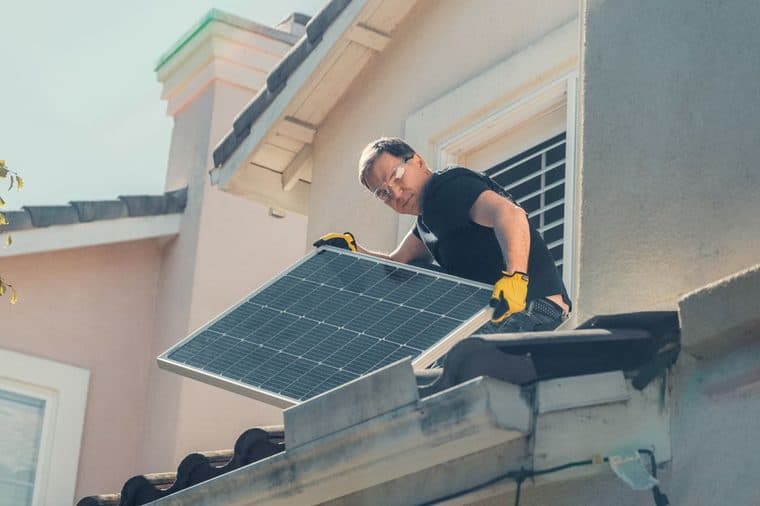
How to Lower Your Electricity Bill in Australia (Ranked by Impact)
From switching retailers in 30 minutes to installing solar, here are the most effective ways to lower your electricity bill in Australia, ranked by impact.
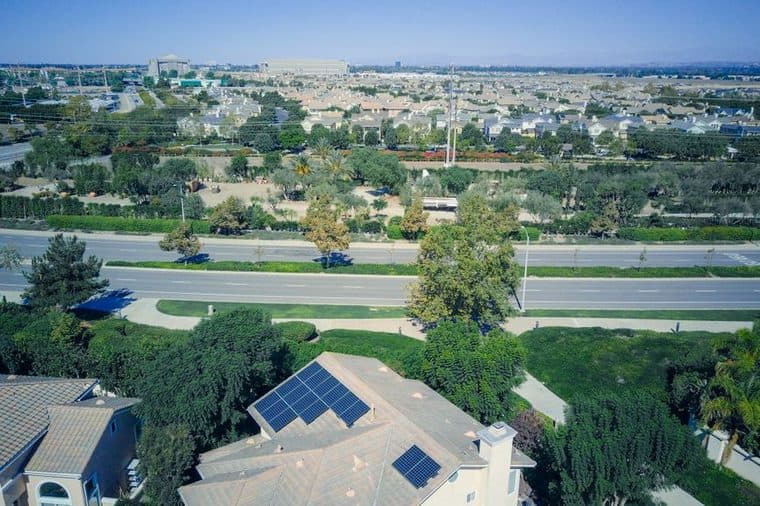
Is Solar Worth It in Australia? The Honest 2025 Numbers
Is solar worth it in Australia? Honest 2025-26 numbers on costs, payback periods, batteries and rebates, without the sales pitch.
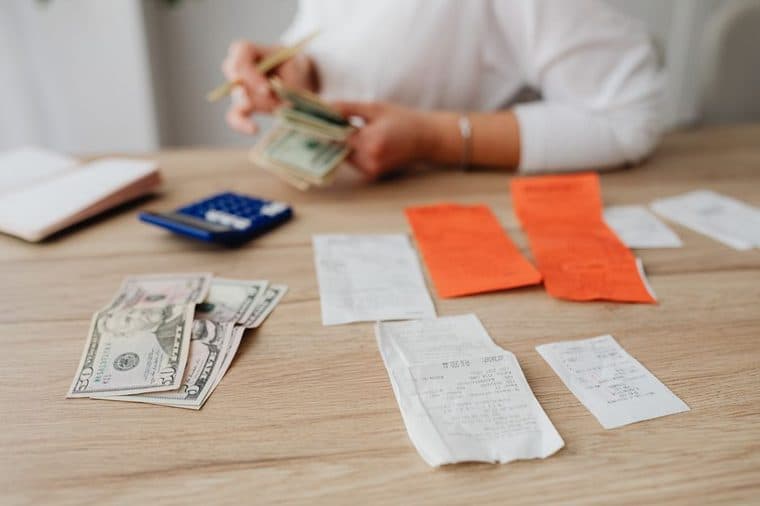
Average Cost of Living in Australia: What It Really Costs
What does it actually cost to live in Australia in 2025-26? Real monthly budget figures for singles, couples and families, by city, plus how to spend less.