

Construction Loans in Australia: How They Work
Building a new home? Learn how construction loans work in Australia, from progressive drawdown and interest-only repayments to the 5 build stages. Plain-English guide.
 By Timothy Hirou GaschereauPublished
 10 min read
Try it yourself
Building a new home is one of the few times a mortgage doesn't behave like a mortgage. This is part of a wider guide to property and debt on Snowball Invest.
Quick answer
A construction loan releases funds in stages as your build progresses, you don't get the full amount upfront. You only pay interest on the money that's actually been drawn down, keeping repayments low during the build. Once construction is complete, the loan automatically converts to a standard principal and interest home loan. Builder insolvency and cost blowouts are real risks, a contingency buffer of 10-15% and the right insurance are non-negotiable.
In this guide
- →What a construction loan actually is, and how it differs from a standard home loan
- →How progressive drawdown works, and the 5 build stages funds are released against
- →Why interest-only repayments during construction keep your cash flow manageable
- →What lenders require, and the real risks: builder insolvency, cost blowouts and delays
🏗️ What is a construction loan?
A construction loan is a home loan specifically designed for people building a new home or doing a substantial renovation, and it works differently from a standard mortgage. With a regular home loan, the bank hands over the full purchase price on settlement day. But when you're building, there's no finished home to hand over, so lenders release money in stages, tied to the progress of the build. Moneysmart defines it simply as "a type of home loan for people who are building their own home."
A construction loan is a distinct product from a standard home loan, but it doesn't stay that way forever, once the build is finished, it converts into a regular mortgage.
💸 How progressive drawdown works
🎯 The essential: You only pay interest on the amount actually drawn down, not the full loan balance, this is the core financial advantage during the build.
The heart of a construction loan is progressive drawdown (also called progress payments). Instead of releasing the full approved loan amount at once, the lender releases funds in chunks tied to specific milestones. Each drawdown typically requires a progress inspection, a valuer confirms the relevant stage is genuinely complete before funds are released.
🧱 The 5 construction stages
Most lenders structure construction loans around five standard build stages. Percentages are indicative and vary by lender and building contract.
| Stage | What's completed | Indicative % of loan released |
|---|---|---|
| 1. Slab / base | Foundations prepared, concrete slab poured | ~10% |
| 2. Frame | Timber or steel frame erected | ~15% |
| 3. Lock-up | Exterior walls, roof, windows and doors installed | ~35% |
| 4. Fixing | Internal fit-out: kitchen, bathroom, plastering, internal doors | ~25% |
| 5. Practical completion | Final handover, all works complete | ~15% |
Lock-up is the biggest single drawdown at roughly 35%, since it represents the bulk of the structural work.
🧮 Interest-only repayments during construction
During construction, you make interest-only repayments on whatever has been drawn down so far. Here's a worked example using a $500,000 construction loan at 6.5% p.a. (indicative rate only):
| Point in time | Amount drawn | Monthly interest repayment |
|---|---|---|
| After Stage 1 (slab) | $50,000 | ~$271 |
| After Stage 3 (lock-up) | $300,000 | ~$1,625 |
| After Stage 5 (practical completion) | $500,000 | ~$2,708 |
| After conversion to P&I (25-year term, 6.5%) | $500,000 | ~$3,377 |
Compare that to a standard home loan, borrowing $500,000 upfront means paying interest on the full amount from day one, roughly $2,708 a month in interest alone. With a construction loan, you build up to that figure gradually as the drawdowns happen. See our Moneysmart's guide to interest-only home loans for how that structure works more broadly.
🔑 Mortgage Repayment Calculator
See exactly what your repayments look like once your construction loan converts to principal and interest.
🔑 What happens after construction completes
Once the builder hands over the keys and practical completion is signed off, the construction loan automatically converts to a standard principal and interest home loan. The interest-only phase ends. From this point you face the same decisions as any home loan borrower, fixed vs variable vs split, interest-only vs principal and interest, and offset account vs redraw. Confirm the exact conversion process with your lender before reaching that stage.
📋 What lenders require
- A fixed-price building contract from a licensed builder, most lenders won't approve without one.
- Council-approved plans and permits.
- Progress valuations at each stage, a valuer inspects the build to confirm completion before funds release.
- Standard home loan requirements: income verification, credit history, and a deposit. Most lenders want at least 20%, see our how much deposit you need guide, to avoid Lenders Mortgage Insurance, though some lenders accept less with LMI added on top.
Lenders assess an "on completion" valuation, an estimate of what the finished home will be worth, which drives the lending amount rather than just the contract price. See Moneysmart's home loans hub for the general lending requirements that still apply on top of this.
⚠️ Risks to know before you build
Builder insolvency is a real and serious risk in the Australian construction industry. Several major builders have collapsed in recent years, leaving customers with half-finished homes and drawn-down loans. Most states require builders to hold Home Indemnity Insurance (Home Building Compensation in some states), but this insurance has limits and doesn't always cover the full cost of completing a build. Research your state's requirements before signing.
Cost blowouts through variations, a fixed-price contract protects you to a degree, but variations, changes you request, or unexpected site conditions like rock under the slab, can add significant costs. Budget a contingency of 10-15% of your total build cost.
Delays extend the interest-only period, meaning you might pay rent and construction loan interest simultaneously for months longer than planned.
A fixed-price contract is not a guarantee of zero extras. Budgeting a genuine 10-15% contingency on top of the contract price is the single biggest thing you can do to protect yourself from a construction budget blowing out.
🚫 3 common mistakes
Thinking you get the full loan amount on day one. Unlike a standard mortgage, money is released progressively. Plan cash flow around the drawdown schedule, not the total approved amount.
Underestimating variations and cost overruns. A fixed-price contract isn't a guarantee of zero extras. Budget that 10-15% contingency on top of your contract price.
Not understanding builder insolvency protections. Check your state's home building insurance requirements, confirm your builder holds the right cover, and understand exactly what's protected before you sign.
SnowLetter
Australia's money news and our best reads, once a week.
❓ Frequently asked questions
Can I use a construction loan to renovate an existing home?
+
Yes, for substantial renovations involving structural work and a licensed builder. Minor cosmetic renovations, like a repaint or new flooring, usually don't qualify for a construction loan.
Do I need a 20% deposit for a construction loan?
+
Not necessarily. Some lenders approve construction loans with a smaller deposit, but Lenders Mortgage Insurance applies above 80% LVR. A 20% deposit avoids LMI and typically gets you a better rate.
What's the difference between a construction loan and a standard home loan?
+
A standard home loan releases the full amount on settlement day. A construction loan releases funds in stages tied to build milestones, and you only pay interest on what's drawn down. It converts to a standard home loan once the build is complete.
How long does the interest-only period last on a construction loan?
+
Typically 6 to 18 months, depending on the build. Lenders usually set a maximum construction period, often 12 months, sometimes up to 24 for larger builds.
What happens if my builder goes over the fixed contract price?
+
The builder wears most cost increases, but variations can be charged on top. Your lender won't automatically increase your loan to cover variations, so you'd need to fund extras from savings or negotiate a separate loan increase.
Can I act as an owner-builder and still get a construction loan?
+
It's much harder. Most lenders are reluctant since there's no licensed builder providing a fixed-price contract. Some specialist lenders offer owner-builder loans, but with stricter conditions, higher rates, a lower maximum LVR, and an owner-builder permit required.
When does my construction loan convert to a regular home loan?
+
At practical completion, when the builder officially hands over the property. The lender typically requires a final progress inspection and occupancy certificate before converting the loan.
📚 Recommended reading
Make Money Simple Again
Bryce Holdaway & Ben Kingsley

Make Money Simple Again
The Property Couch guys turn cash-flow chaos into one simple money management system you can actually stick to. Perfect if budgeting apps have never quite worked for you.
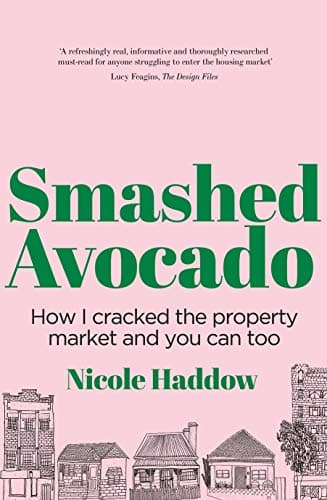
Smashed Avocado
Nicole Haddow
Smashed Avocado
A millennial who ditched the rent trap and cracked the property market by 30, told with honesty and humour. If you have ever been told your brunch is why you cannot buy a home, this Aussie story is your comeback.
The Barefoot Investor
Scott Pape

The Barefoot Investor
Australia's best-selling money book ever. A simple system for accounts, budgeting, debt and a real emergency fund in one.
Some links above are affiliate links. If you buy through them, Snowball Invest may earn a small commission at no extra cost to you. We only recommend books we'd suggest anyway.
Sources
This article is general information only, not financial advice. Construction loan terms, stage percentages and interest rates vary by lender and building contract, so treat the figures here as illustrative. Get a formal quote from your lender and independent legal advice on your building contract before you sign anything.
Was this article useful?
Put it to your own numbers
Every calculator runs entirely in your browser, with nothing stored. See what these numbers look like for your own situation.
Try the Mortgage Repayment calculator →General information only. This article is educational and does not constitute personal financial advice. It does not account for your circumstances. Consider your own situation and seek advice from a licensed adviser before acting. Read our full disclaimer.

Timothy Hirou Gaschereau
Founder of Snowball Invest, not a financial adviser.
I write about what I'm learning myself, because nobody ever taught us how to take control of our own money. It's a skill, not a mystery, and it's never too late to learn it. The best day to start was yesterday, the second best is today.
LinkedIn →Related articles

Pay Off Mortgage or Invest? The Honest Australian Guide
Should you pay off your mortgage or invest your spare cash? We break down the real maths, the tax angle, offset accounts, super, and a worked example for Australian homeowners.

Novated Lease vs Car Loan vs Paying Cash: Which One Actually Wins?
Novated lease, car loan or paying cash? A plain-English guide to the tax savings, the catches, and exactly who each option suits when financing a car in Australia.
How to Transfer Property After Someone Dies in Australia
Transferring a house after someone dies in Australia? A step by step guide to probate, transmission applications, CGT, stamp duty and realistic timelines.