
Money and Mental Health: Breaking the Cycle of Financial Stress in Australia
Money stress and mental health are deeply connected. How to break the cycle with practical steps, free Australian support, and real strategies.
 By Timothy Hirou GaschereauPublished
 8 min read
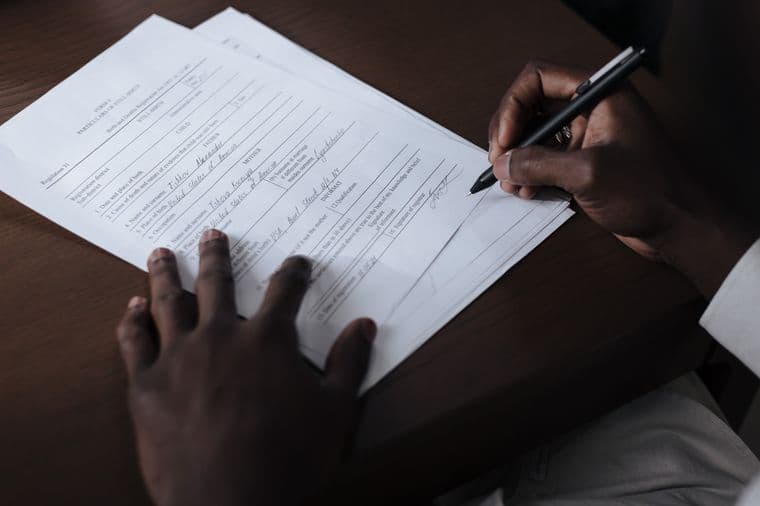
If you've ever lain awake at 2am running numbers in your head, you already know that money and mental health are not separate conversations. They're the same conversation. Money stress is one of the most common sources of anxiety in Australia, and it doesn't discriminate by income, age, or postcode. There are genuine ways to feel better, starting today. This is part of our wider guide to money mindset on Snowball Invest.
This article is general information only. It is not financial or medical advice. If you're struggling, please reach out to a qualified professional or one of the services listed below.
Quick answer
Financial stress and mental health are closely linked in Australia. The relationship runs both ways: money stress worsens mental wellbeing, and poor mental health makes managing money harder. You don't have to tackle this alone. Free support is available right now, including the National Debt Helpline (1800 007 007) and Beyond Blue (1300 22 4636). Small, concrete actions, not a complete financial overhaul, are what actually help.
In this guide
- →Why money stress and mental health feed each other
- →How the pattern shows up, often in ways we don't expect
- →Small, doable steps that help both your money and your mind
- →The free Australian services worth knowing about
🔁 The link goes both ways
It's tempting to think of financial stress as just a practical problem you solve with a spreadsheet. The research tells a different story.
Financial stress harms mental health. The AMP Financial Wellness Report 2024 found 66% of working Australians are experiencing financial stress to some degree, the highest level since the survey began in 2014. More than 6 million Australians are moderately or severely financially stressed, and persistent money stress is linked to anxiety, depression, disrupted sleep, and physical health problems.
Poor mental health makes managing money harder. When you're exhausted or low, the last thing you want to do is open your banking app. Decision-making gets harder, avoidance kicks in, and impulsive spending can feel like the only thing that gives temporary relief. According to the ABS, around 1 in 5 Australians (21.5%) experience a mental disorder in any given year. If you're struggling with both, you're not weak, and you're definitely not alone.
👀 How it shows up in everyday life
Financial stress and mental health don't always look the way we expect.
- Avoidance. Not opening bills. Letting bank emails pile up unread. Closing the banking app before the balance loads. This isn't laziness, it's the brain protecting itself from information that feels threatening.
- Sleeplessness and physical symptoms. Lying awake replaying worst-case scenarios. Tension headaches. A tight chest. The body responds to financial stress like any perceived threat.
- Relationship strain. Money is consistently cited as a leading cause of conflict in Australian relationships, and mismatched habits under pressure can quietly erode trust.
- Shame and secrecy. Debt in particular carries a stigma that makes people hide it even from those closest to them. The silence makes everything worse.
If any of this sounds familiar, that recognition matters. You're describing a very human response to a genuinely stressful situation.
🛠️ Practical steps that help
The goal here isn't perfection. It's momentum. One small step creates breathing room, and that makes the next step easier.
Start small, genuinely small. One money action per week is enough to begin. Check your balance once. Set up one automatic transfer of even $10. The action itself matters less than the act of doing something, which interrupts the avoidance cycle.
Automate where you can. Automatic bill payments and savings transfers remove the need to make those decisions repeatedly. Decision fatigue is real, and every choice you take off your plate helps. Moneysmart has free tools and a budget planner that can help you map where your money is going.
Talk about it. A trusted friend, a GP, or a free financial counsellor can all help. The National Debt Helpline (1800 007 007) offers free, confidential counselling from professionals who don't sell anything. They just help. Call weekdays 9:30am to 4:30pm, or chat online weekdays 9am to 8pm.
Focus on what you can control. Not the whole mountain, just the next step. Pay one bill. Open one statement. Write down three expenses. Debt, in particular, feels lighter once you've seen the full picture, which our psychology of debt guide walks through.
The ABS General Social Survey (2025) found 25.3% of Australians experienced at least one cash-flow problem in the previous 12 months. That's one in four people. Be kind to yourself about how you got here, financial difficulty is often structural, not a moral failing.
🧠 When a condition makes money harder
Some mental health experiences make managing finances particularly difficult. Recognising the patterns helps you be gentler with yourself and find the right support.
- Low mood and depression can drain the energy needed to open mail or think about the future. Bills pile up not because someone doesn't care, but because the cognitive load feels insurmountable on a bad day.
- Anxiety can show up as over-checking accounts, catastrophising about small expenses, or becoming so paralysed by fear of a wrong decision that no decision gets made. Our guide to financial anxiety covers this in depth.
- Attention and focus difficulties (including ADHD) can make it hard to track spending or stick to a plan, even when the intention is there. Impulsive purchases can happen in low-regulation moments, followed by guilt that compounds the stress.
These are common experiences, and they're manageable with the right support. Asking for help is a sign of self-awareness, not weakness.
🤝 Where to get help in Australia
You don't have to figure this out alone. These services are free, confidential, and available right now.
| Service | What they help with | Contact |
|---|---|---|
| Beyond Blue | Mental health support, anxiety and depression | 1300 22 4636 / beyondblue.org.au |
| Lifeline | Crisis support, 24/7 | 13 11 14 / lifeline.org.au |
| National Debt Helpline | Free financial counselling | 1800 007 007 / ndh.org.au |
| GP Mental Health Care Plan | Up to 10 Medicare-rebated psychology sessions per year | Visit your GP |
| Moneysmart (ASIC) | Free financial guidance, tools and calculators | moneysmart.gov.au |
🎯 The essential: A Mental Health Care Plan from your GP is one of the most underused supports in Australia. It gives you up to 10 psychology sessions per year with a Medicare rebate. If money stress is affecting your mental health, that's worth a conversation with your doctor.
Every one of these services exists because financial stress and mental health challenges are real, common, and worth taking seriously. You deserve support, and asking for it is not a burden.
SnowLetter
Australia's money news and our best reads, once a week.
❓ Frequently asked questions
Does financial stress cause mental health problems?
+
Financial stress is a well-established contributor to anxiety, depression, and sleep problems. It doesn't cause a mental health condition on its own, but it's a significant risk factor, particularly when it's persistent. The AMP Financial Wellness Report 2024 found 66% of working Australians are experiencing some degree of financial stress.
Can mental health affect how I manage money?
+
Absolutely, and this part often gets overlooked. Depression can make it hard to open bills or plan ahead. Anxiety can lead to avoidance or over-monitoring. Attention difficulties can make it hard to track spending or remember due dates. Recognising this pattern is the first step to working with it rather than against yourself.
What is a Mental Health Care Plan and how do I get one?
+
A Mental Health Care Plan is a plan your GP prepares that gives you access to Medicare-rebated sessions with a psychologist or other mental health professional, up to 10 individual sessions per calendar year. To get one, book an appointment with your GP, mention you'd like to discuss your mental health, and ask about a Mental Health Care Plan. The rebate significantly reduces the out-of-pocket cost.
Is financial counselling free in Australia?
+
Yes. The National Debt Helpline (1800 007 007) provides free, confidential financial counselling to anyone in Australia experiencing financial difficulty. Financial counsellors are qualified professionals who work only in your interest. They don't sell products or lend money. You can also find a financial counsellor near you via ndh.org.au.
How do I talk to someone about money stress?
+
Start with whoever feels safest, whether that's a close friend, a partner, or a GP. You don't need all the details ready. You can simply say, 'I've been really stressed about money and I'm not sure where to start.' If you'd rather speak to someone neutral, the National Debt Helpline (1800 007 007) is a good first call, and Beyond Blue (1300 22 4636) can help if the stress is affecting your wellbeing.
📚 Recommended reading
The Psychology of Money
Morgan Housel
The Psychology of Money
19 short stories on how people actually think and feel about money, not just the maths of it.
Atomic Habits
James Clear

Atomic Habits
Tiny changes, remarkable results. Clear shows how 1 percent improvements compound, and the same system that fixes your gym routine works on your saving habits too.
The Barefoot Investor
Scott Pape

The Barefoot Investor
Australia's best-selling money book ever. A simple system for accounts, budgeting, debt and a real emergency fund in one.
Some links above are affiliate links. If you buy through them, Snowball Invest may earn a small commission at no extra cost to you. We only recommend books we'd suggest anyway.
Sources
Was this article useful?
Put it to your own numbers
Every calculator runs entirely in your browser, with nothing stored. See what these numbers look like for your own situation.
Explore the calculators →General information only. This article is educational and does not constitute personal financial advice. It does not account for your circumstances. Consider your own situation and seek advice from a licensed adviser before acting. Read our full disclaimer.

Timothy Hirou Gaschereau
Founder of Snowball Invest, not a financial adviser.
I write about what I'm learning myself, because nobody ever taught us how to take control of our own money. It's a skill, not a mystery, and it's never too late to learn it. The best day to start was yesterday, the second best is today.
LinkedIn →Related articles

Poverty Mindset: What It Is, Where It Comes From, and How to Shift It
A poverty mindset is a deep set of money beliefs shaped by real hardship. Learn the signs, the causes, and steps to build a healthier money mindset.

Compulsive Buying Disorder: Signs, Causes, and How to Get Help in Australia
Compulsive buying disorder is a real psychological condition, not a character flaw. Learn the signs, the causes, and where to get help in Australia.

Fear of Spending Money: When Saving Becomes a Source of Stress
Fear of spending money is more common than you think. Learn the signs, the causes, and practical steps to ease the anxiety and spend with confidence.