

Dividend Investing in Australia: A Practical Beginner's Guide
How dividend investing works in Australia: dividends and yield, franking credits with a worked example, the yield trap, ETFs vs shares, DRPs, and who it suits.
 By Timothy Hirou GaschereauPublished
 13 min read
Try it yourself
Dividend investing is one of the most popular strategies on the ASX, and for good reason: Australia has a strong income culture, a tax system that genuinely rewards shareholders, and a handful of sectors that have paid reliable dividends for decades. But it is also widely misunderstood, and occasionally used as an excuse to buy a bad business just because it pays a big cheque.
Here is the honest, practical version: how dividends work, what franking credits actually do for your tax bill, how to spot a yield trap, and whether dividend investing is right for you.
🎯 The essential: Dividend investing means owning shares that pay regular cash from profits, usually half-yearly on the ASX. Australia's edge is franking credits: you can claim back the company tax already paid, and if your rate is low enough the ATO refunds the difference in cash. But yield is not return. A high yield on a falling share is not a win. Total return (income plus growth) is what matters, and broad ASX ETFs like VAS deliver franked dividends without stock-picking. It suits retirees and low-income investors most; high earners and long-term accumulators may do just as well with a growth focus.
What is dividend investing?
Dividend investing means buying shares in companies that pay regular cash distributions out of their profits, so you earn income along the way rather than relying only on the price rising. It contrasts with growth investing, where companies reinvest most profits to drive capital appreciation and pay little or no dividend (think an early-stage tech stock versus a big four bank). Australians love it because the ASX has a genuinely strong dividend culture (the banks, big miners, and infrastructure names have long paid large regular dividends), plus the franking system on top. One thing to be clear about from the start: dividends are not guaranteed. Companies can cut or cancel them at any time, and many did exactly that during 2020. A dividend is also not the only way a company returns money to you: the other is a share buyback, which is optional rather than automatic and is taxed differently.
How dividends and dividend yield work
A dividend is a per-share cash payment, usually from after-tax profit. Most ASX companies pay half-yearly (an interim and a final dividend). You need to own the shares before the ex-dividend date to receive the payment, which lands a few weeks later. Dividend yield is the annual dividend as a percentage of the share price: a $40 share paying $2 a year yields 5%. The catch is that yield is not static: if the price falls, the yield rises, so a very high yield can actually be a warning sign rather than a gift. The dividend yield explainer and what is a dividend go deeper. Also watch the payout ratio: a company paying out 90%+ of earnings leaves little buffer if profits dip.
Franking credits: the Australian advantage
This is what makes Australian dividend investing genuinely different. Under dividend imputation (introduced in 1987), a company pays corporate tax on its profit before paying you, then attaches a franking credit representing that tax. You include the grossed-up dividend (cash plus credit) in your income and use the credit as an offset, so the same profit is not taxed twice. Large companies frank at 30%; smaller base-rate entities at 25%. Dividends can be fully franked, partially franked, or unfranked (most international shares held via a fund like VGS are unfranked).
Take a worked example. Priya receives a $700 fully franked dividend, which carries a $300 franking credit, so $1,000 goes into her assessable income:
Since 2000, excess franking credits are refundable in cash, which is a major benefit for retirees and low-income investors who receive more in credits than they owe in tax. Our franking credits guide and how dividends are taxed cover the mechanics, including the 45-day holding rule.
Dividend yield vs total return: the yield trap
Total return is what actually matters: dividends received plus capital growth (or loss). A share paying 8% in dividends but falling 12% has delivered a total return of minus 4%. The income felt good; the result did not. The yield trap catches investors who chase a headline yield without checking the business. A yield of 10%+ often signals a share price that has already collapsed, an unsustainable payout ratio, or genuine financial distress, and when the dividend is inevitably cut, the price usually falls further, so you lose on both fronts.
A company that grows a modest 3% yield at 8% a year compounds into far more than a stagnant 9% yield that never moves or eventually gets cut. In theory, paying a dividend is just transferring value from the company to you, the same as selling a small slice of your shares, so do not sacrifice total return chasing yield. Franking can tip the scales for low-bracket Australians, but dividend investing is not inherently superior to growth on a total-return basis.
Individual dividend shares vs dividend ETFs
Picking individual dividend shares offers higher potential yield and control over franking, but concentration risk: if one holding cuts its dividend or falls, it hurts, and it demands ongoing research. ETFs give instant diversification for a fee. Importantly, because the ASX skews toward dividend-paying sectors, broad market ETFs deliver meaningful franked income as a byproduct of just owning the market:
| ETF | Focus | MER |
|---|---|---|
| VAS | Broad ASX 300 (dividends as byproduct) | 0.07% |
| A200 | Broad ASX 200 (dividends as byproduct) | 0.04% |
| VHY | ~50 high-dividend ASX stocks | 0.25% |
| IHD | S&P/ASX dividend opportunities | 0.30% |
| SYI | MSCI Australia select high yield | 0.35% |
Higher yield does not guarantee better total return: dividend-focused funds concentrate in high-yield sectors that can lag in growth markets. Compare funds on total return over a meaningful period, not just yield. Our best dividend ETFs guide weighs the options.
Dividend reinvestment plans (DRP)
A DRP lets you take extra shares instead of cash, often at a small discount, compounding your holding over time without paying brokerage. The catch most people miss: reinvested dividends are still taxable income in the year received, even though no cash hits your account, and each DRP parcel creates a new CGT cost-base record (hold a stock for a decade of quarterly DRP and you could have 40 parcels to track at sale). DRP suits accumulators who do not need the income; cash dividends suit retirees funding living costs. See the full DRP guide for the tax and registry detail.
Dividends vs growth: the honest verdict
There is no universal right answer; it depends on your life stage, income needs, tax position and temperament.
| Factor | Dividend focus | Growth focus |
|---|---|---|
| Income | Regular cash from dividends | Little or no regular income |
| Capital growth | Lower (mature companies) | Higher potential |
| Tax (AU) | Franking valuable at low rates | CGT discount on gains held 12+ months |
| Volatility | Moderate (defensive sectors) | Can be higher |
| Best for | Retirees, income seekers | Accumulators, high earners |
Many Australians hold broad ASX ETFs like VAS or A200, which deliver both franked dividends and capital growth, a sensible middle ground for most people in the accumulation phase. The one honest warning: do not concentrate in high-yield stocks that underperform the market for a decade just because the income felt reassuring.
Frequently asked questions
What is dividend investing in Australia?
+
It means buying shares in companies that pay regular cash dividends from their profits. Australian dividend investing has a unique advantage: the franking credit system lets shareholders claim back corporate tax the company already paid, reducing their own tax bill or even generating a cash refund from the ATO.
How do franking credits work on dividends?
+
When an Australian company pays corporate tax (30% for large companies, 25% for smaller ones), it can attach franking credits to its dividends representing that tax already paid. You include the grossed-up dividend (cash plus credit) in your assessable income, then claim the credit as a tax offset. If your credits exceed your tax bill, the ATO refunds the excess in cash, which is especially valuable for retirees and low-income investors.
What is a good dividend yield in Australia?
+
There is no single good number. The ASX 200 forward yield has historically averaged around 4 to 5%. A yield well above that (say 8 to 10%+) warrants careful investigation, because it often reflects a falling share price or an unsustainable payout ratio rather than a generous company. Focus on a sustainable yield from a financially healthy business, not the biggest number on a screen.
Are dividends taxed in Australia?
+
Yes. Dividends are assessable income in the year received. You include the grossed-up dividend (cash plus any franking credit) in your return and pay tax at your marginal rate, with franking credits offsetting that tax. If your credits exceed your tax, the ATO refunds the difference. So the effective tax rate depends heavily on your marginal rate and the level of franking.
What is the 45-day rule for franking credits?
+
To claim franking credits you must hold the shares at risk for at least 45 continuous days around the ex-dividend date (not counting the buy or sell day); for preference shares it is 90 days. It is an ATO integrity measure against dividend stripping. There is a small shareholder exemption: if your total franking credit entitlement for the year is $5,000 or less, the rule generally does not apply to you as an individual.
Should I choose dividend ETFs or individual dividend shares?
+
Both work. Individual shares can offer higher yields and control over franking but need research and carry concentration risk. Dividend ETFs like VHY, IHD or SYI give instant diversification but charge a fee and may underperform the broad market on total return. For most people starting out, a broad ASX ETF like VAS or A200, which naturally delivers franked dividends, is a simpler and often more effective starting point.
Is dividend investing better than growth investing?
+
Not inherently. On a pure total-return basis neither is universally superior. Dividend investing has real advantages for Australians in lower tax brackets (franking credits), retirees needing income, and investors who find regular income easier to hold through volatility. Growth investing tends to suit younger accumulators, high-income earners, and those comfortable with a total-return approach. Many Australians use a hybrid: broad ASX ETFs that deliver both.
Keep reading
Books worth reading
📚 Recommended reading
The Barefoot Investor
Scott Pape

The Barefoot Investor
Australia's best-selling money book ever. A simple system for accounts, budgeting, debt and a real emergency fund in one.
Motivated Money
Peter Thornhill
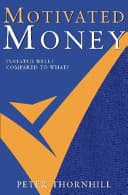
Motivated Money
Peter Thornhill's cult-favourite case for living off fully franked dividends instead of chasing capital gains. A calm, contrarian Aussie take that has quietly built a big following of long-term investors.
Girls That Invest
Simran Kaur
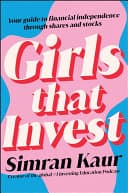
Girls That Invest
A no-jargon crash course from the podcaster behind Girls That Invest that makes the sharemarket feel doable, written especially for women starting out. The perfect first step before you buy your first ETF.
Some links above are affiliate links. If you buy through them, Snowball Invest may earn a small commission at no extra cost to you. We only recommend books we'd suggest anyway.
Sources
General information only, not personal financial advice, and it does not take your circumstances into account. Tax outcomes depend on your situation; consider your own position and a licensed adviser or registered tax agent before investing. Past performance is not a reliable indicator of future performance.
Was this article useful?
Put it to your own numbers
Every calculator runs entirely in your browser, with nothing stored. See what these numbers look like for your own situation.
Try the Capital Gains Tax calculator →General information only. This article is educational and does not constitute personal financial advice. It does not account for your circumstances. Consider your own situation and seek advice from a licensed adviser before acting. Read our full disclaimer.

Timothy Hirou Gaschereau
Founder of Snowball Invest, not a financial adviser.
I write about what I'm learning myself, because nobody ever taught us how to take control of our own money. It's a skill, not a mystery, and it's never too late to learn it. The best day to start was yesterday, the second best is today.
LinkedIn →Related articles

Ex-Dividend Date Explained
What is the ex-dividend date in Australia? How it works, why the share price drops, and exactly what you need to do to receive your dividend.

Blue Chip Shares Australia: The Beginner's Honest Guide
What are blue chip shares in Australia? What they are, why investors like them, their real risks, franking credits, and whether a broad ASX ETF might suit you better.

What Is a Dividend? A Beginner's Guide for Australian Investors
What a dividend actually is, how dividend yield and the ex-dividend date work, and how it connects to franking credits in Australia.