

How to Compare Personal Loans in Australia (Without Getting Burned)
Learn how to compare personal loans in Australia: what the comparison rate really means, the fees to watch, red flags to avoid, and a simple checklist.
 By Timothy Hirou GaschereauPublished
 11 min read
Knowing how to compare personal loans in Australia properly can save you hundreds, sometimes thousands, of dollars over the life of a loan. The problem is that lenders are very good at making their products look cheap: big bold headline rates, tiny greyed-out fees. It is a lot to wade through.
This guide cuts through the noise: every number that actually matters, the traps that catch people out, and a practical checklist you can use before you sign anything. It is part of our compare and choose series, and it is general information only, not financial advice.
🎯 The essential: The comparison rate, not the headline rate, is the number that matters: by law it rolls the interest rate and most fees into one figure. Secured loans are cheaper but put an asset on the line. Watch establishment, ongoing and early-repayment fees, and decline add-on insurance by default. Every formal application marks your credit file, so use soft-enquiry pre-assessments first. Payday loans are a last resort.
Before you borrow: is a personal loan the right tool?
Debt costs money. Obvious, but worth sitting with before you compare a single rate. Check whether a cheaper option exists first:
- Offset or redraw. If you have a home loan with an offset account or redraw, using those funds and topping them back up is almost always cheaper than a personal loan.
- 0 percent balance transfer. Consolidating existing card debt? A 0 percent balance transfer card can buy an interest-free window, as long as you clear it before the promo ends. See our personal loan vs credit card guide and how debt consolidation actually works.
- Saving up. Unglamorous, but the cheapest option for anything that is not urgent. Wait three months, pay zero interest.
A personal loan makes sense for a genuine, time-sensitive need with a realistic repayment plan. The honest framing: a $10,000 loan at a 12 percent comparison rate over five years costs roughly $3,300 in interest. Is the thing worth $13,300? Sometimes yes. Sometimes the answer makes you think twice.
The one number that matters most: the comparison rate
When you compare loans you will see two rates side by side: a headline (advertised) rate and a comparison rate. Focus on the comparison rate.
By law under the National Consumer Credit Protection Act, the comparison rate rolls the interest rate and most standard fees (establishment, monthly) into one annual percentage. A lender might advertise 9.99 percent, but with a $500 establishment fee and a $10 monthly fee the comparison rate could be 13.5 percent or higher. The headline rate alone tells you almost nothing.
The comparison rate is calculated on a standard example of $30,000 over five years. If your loan is smaller or shorter, fixed fees hit proportionally harder, so your real cost can be higher. Use the free Moneysmart personal loan calculator to model your actual amount, term and fees.
Secured vs unsecured, and fixed vs variable
Secured or unsecured? A secured loan is backed by an asset, usually a car. The lender takes less risk, so the rate is lower, but they can repossess the asset if you default. An unsecured loan has no asset attached and a higher rate to match. Secured suits stable finances and vehicle purchases; unsecured is the common path for holidays or renovations.
Fixed or variable? A fixed rate locks your repayments for the full term, which makes budgeting easy, but many fixed loans charge early-repayment or break fees if you clear the debt ahead of schedule. A variable rate can move up or down, but often lets you make extra repayments without penalty and may include redraw. Neither is universally better: it comes down to certainty versus flexibility.
The fees to watch
The comparison rate captures most standard fees, but not all. Look specifically for:
- Establishment (application) fee: one-off, from $0 to $600 or more.
- Ongoing monthly or annual fees: flat account-keeping charges that add up over a three-to-five-year term.
- Early repayment or break fees: mainly on fixed loans, and potentially large if you repay early.
- Late payment fees: a charge, plus a mark on your credit file.
- Add-on insurance: loan protection cover sold at signing. It is not compulsory and is often poor value, adding thousands to the total. If you want income or life cover, compare standalone policies separately.
How to compare personal loans: the checklist
| What to check | What to look for |
|---|---|
| Comparison rate | Lowest for your amount and term (standard example is $30k over 5 years) |
| Total cost over the term | Every dollar repaid, not just the monthly figure |
| All fees | Establishment, monthly/annual, early-repayment, late-payment |
| Term length | Longer = lower repayments but more total interest |
| Flexibility | Extra repayments allowed? Any fee? Redraw available? |
| Lender legitimacy | Holds a current Australian credit licence (check ASIC's registers) |
| Add-on insurance | Declined unless you have independently decided you want it |
The table below shows why the headline rate misleads. Both loans advertise the same rate, but the fees change what you actually pay.
| Loan A | Loan B | |
|---|---|---|
| Loan amount | $20,000 | $20,000 |
| Term | 3 years | 3 years |
| Advertised rate | 9.99% p.a. | 9.99% p.a. |
| Establishment fee | $0 | $500 |
| Monthly fee | $0 | $10/month |
| Comparison rate | ~10.1% p.a. | ~13.8% p.a. |
| Total repayments | ~$23,160 | ~$24,900 |
| Extra cost vs A | - | ~$1,740 |
Red flags and traps
- Very high rates. Comparison rates well above the mainstream usually mean the lender is pricing in the risk of poor-credit borrowers. Ask why.
- Pressure to decide fast. “This offer expires today.” Legitimate lenders do not rush you. If you feel pushed, walk away.
- “No credit check” or “guaranteed approval”. Responsible lenders are legally required to assess suitability. These offers either break that obligation or operate outside the law.
- Payday loans (SACCs). Short-term loans up to $2,000. The caps (20 percent establishment plus 4 percent per month) are still brutal: on a $1,000 loan over three months that is $320 in fees, an effective rate above 100 percent. Last resort only.
- Protect your credit score. Every formal application is a hard enquiry on your file. Multiple applications in a short window signal stress and drag your score down. Use soft-enquiry pre-assessments, and do not scatter applications across five lenders in a week.
SnowLetter
Australia's money news and our best reads, once a week.
❓ Frequently asked questions
What is a comparison rate?
+
A comparison rate is a single annual percentage figure that combines a loan's interest rate with most standard fees, including establishment and monthly fees. It is required by law in Australia so borrowers can compare loans on a like-for-like basis. The standard example used to calculate it is $30,000 over five years, so your actual cost may differ if your loan is a different size or term, but it is still the best number to start with.
Is a secured or unsecured personal loan better?
+
It depends. A secured loan (backed by an asset like a car) usually has a lower interest rate, but the lender can repossess the asset if you default. An unsecured loan has no asset at risk but charges a higher rate. Borrowing for a vehicle with stable finances often suits a secured loan; other purposes usually go unsecured.
Do personal loan applications affect my credit score?
+
Yes. A formal application typically triggers a hard credit enquiry that is recorded on your credit file and can lower your score slightly. Multiple applications in a short period can have a bigger negative effect. Where possible, use a lender's pre-assessment or rate quote (a soft enquiry) to check eligibility before you formally apply.
What fees do personal loans have?
+
The main ones are an establishment or application fee (one-off, $0 to $600 or more), ongoing monthly or annual fees, early repayment or break fees (mostly on fixed-rate loans), and late payment fees. Some lenders also offer add-on insurance at signing, which is not compulsory and is often poor value. Read the full fee schedule, not just the comparison rate.
Are payday loans a good idea?
+
Rarely. Small Amount Credit Contracts (SACCs), commonly called payday loans, are capped by law at a 20 percent establishment fee plus 4 percent per month in ongoing fees. On a $1,000 loan over three months that is $320 in fees alone, an effective rate well above 100 percent. They are a last resort. Consider a no-interest loan scheme (NILS), a hardship arrangement, or free help from the National Debt Helpline on 1800 007 007 first.
What is a good personal loan interest rate in Australia?
+
It shifts with the broader rate environment, so there is no single number. As a rough guide, borrowers with strong credit can access unsecured comparison rates around 7 to 12 percent, while weaker credit may see 15 to 25 percent or higher, and secured loans usually sit lower. Check the Moneysmart personal loans page and model your own scenario with its calculator.
Keep reading
📚 Recommended reading
The Barefoot Investor
Scott Pape

The Barefoot Investor
Australia's best-selling money book ever. A simple system for accounts, budgeting, debt and a real emergency fund in one.
Making Money Made Simple
Noel Whittaker

Making Money Made Simple
Australia's classic, comprehensive money guide covering tax, super and investing, updated for today.
On Your Own Two Feet
Helen Baker
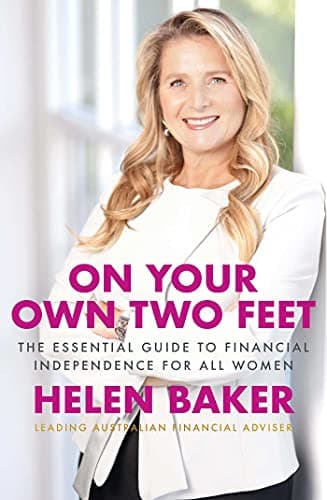
On Your Own Two Feet
An Aussie financial planner's essential guide to money independence for women, covering every life stage from single to separated. Warm, practical and genuinely on your side.
Some links above are affiliate links. If you buy through them, Snowball Invest may earn a small commission at no extra cost to you. We only recommend books we'd suggest anyway.
Sources
This article is general information only, not financial advice. Rates, fees and rules change, and your circumstances are unique. Read the loan contract, use the Moneysmart calculator, and consider a licensed adviser or a free financial counsellor before taking on debt.
Was this article useful?
Put it to your own numbers
Every calculator runs entirely in your browser, with nothing stored. See what these numbers look like for your own situation.
Explore the calculators →General information only. This article is educational and does not constitute personal financial advice. It does not account for your circumstances. Consider your own situation and seek advice from a licensed adviser before acting. Read our full disclaimer.

Timothy Hirou Gaschereau
Founder of Snowball Invest, not a financial adviser.
I write about what I'm learning myself, because nobody ever taught us how to take control of our own money. It's a skill, not a mystery, and it's never too late to learn it. The best day to start was yesterday, the second best is today.
LinkedIn →Related articles

How to Compare Bank Accounts in Australia (Everyday Accounts)
Learn how to compare bank accounts in Australia: fees, features, safety and how to switch, so you stop paying fees you do not need.

Debit Card vs Credit Card: Which Should Australians Use?
Debit card vs credit card in Australia: the real differences on interest, fraud protection and credit score, and which suits your spending habits.
Term Deposit vs Savings Account in Australia: Which Wins?
Term deposit vs savings account in Australia: compare rates, access, safety and tax, and work out which one suits your savings goals.