

Debt Consolidation: How It Works (and When It Actually Helps)
How debt consolidation actually works, when it genuinely helps, when it backfires, and how it compares to the debt avalanche and snowball methods.
 By Timothy Hirou GaschereauPublished
 8 min read
Try it yourself
Debt consolidation gets pitched hard by lenders because it's genuinely profitable for them to sell, which makes it worth understanding clearly when it actually helps you versus when it just repackages the same problem. This is part of a wider guide to property and debt on Snowball Invest.
Quick answer
Debt consolidation means combining multiple debts, credit cards, personal loans, into a single loan, ideally at a lower interest rate, with one repayment instead of several. It can genuinely reduce interest and simplify repayments, but it doesn't reduce what you owe, and it can backfire if old credit lines stay open and get used again.
In this guide
- →What debt consolidation actually means, and when it genuinely helps
- →The classic trap that leaves people worse off than before
- →Consolidation vs the avalanche and snowball methods
- →The legal protections a licensed lender is actually required to give you
- →What to watch for, including the red flags worth walking away from
🔗 What debt consolidation actually means
Instead of juggling several debts, each with its own interest rate and due date, you take out one new loan large enough to pay all of them off, then make a single repayment on that new loan going forward. The debt itself doesn't shrink in the process, you're restructuring how you owe it, not how much.
~20% p.a.
~13% p.a.
~25% p.a.
One consolidated loan
$18,000
One lower rate, one repayment. The balance is the same $18k, it just moved.
✅ When it genuinely helps
- The new rate is genuinely lower than the blended average of what you're currently paying, especially if you're carrying high-interest credit card debt.
- You have a clear repayment plan for the new loan, not just relief from juggling multiple due dates.
- Your credit score can actually support a better rate, since the new loan's approval and pricing depend on it just like any other credit application.
- You close the old credit lines once consolidated, so there's no temptation, or ability, to run the balances back up.
⚠️ When it doesn't, or makes things worse
The classic trap: someone consolidates credit card debt into a personal loan, then keeps the (now zero-balance) credit cards open. Without deliberate discipline, the cards get used again, and the person ends up with the original consolidated loan plus new credit card debt on top of it, worse off than before.
It also doesn't help much if the new loan's fees and interest rate aren't meaningfully better than what you're already paying, in that case you've added complexity (a new loan application, possibly a new secured asset) without a real financial benefit.
🆚 Consolidation vs avalanche vs snowball
Consolidation isn't the only way to deal with multiple debts. The debt avalanche and debt snowball methods (paying extra toward the highest-interest debt first, or the smallest balance first) work with your existing debts as they are, no new loan required, and can be just as effective, sometimes more so, if a lower consolidated rate isn't actually available to you.
❄️ Compare your actual options
See avalanche vs snowball with your real balances and rates, side by side.
⚖️ The legal protections behind a consolidation loan
🎯 The essential: A licensed lender is legally required to check the loan is actually suitable for you, not just approve whoever applies.
Any lender offering a consolidation loan needs to hold an Australian Credit Licence and follow the responsible lending obligations set out in the National Consumer Credit Protection Act, which requires them to make reasonable inquiries into your income, expenses and existing debts, and not approve a loan that's unsuitable for your actual financial situation, not just one you can technically make repayments on for a while.
Those obligations exist because irresponsible lending complaints are a genuine, recurring problem, not a hypothetical one. The Australian Financial Complaints Authority (AFCA), the external dispute resolution body for the financial sector, received a record number of complaints in its most recent full year, with personal loans, home loans and credit cards consistently among the most complained-about products, many linked to financial difficulty. If a consolidation loan turns out to be genuinely unaffordable, AFCA is the free, independent avenue to raise it, after raising it with the lender directly first, worth knowing exists before assuming a bad outcome has no recourse.
🔍 What to watch for before signing up
Worth checking
- ✓The comparison rate (not just the headline rate), which includes fees
- ✓Whether the loan term is longer than your current debts, which can increase total interest even at a lower rate
- ✓Exit fees or early repayment penalties on the new loan
Red flags
- ✕Being pushed toward a secured loan for what was previously unsecured debt
- ✕No real plan for closing old credit accounts once consolidated
- ✕A lender more focused on approval speed than your actual repayment capacity
- ✕A provider that doesn't show up on ASIC's Professional Registers as a licensed Credit Licensee or Credit Representative
If your credit card is the main problem, it's worth understanding exactly how minimum payments trap you before deciding whether consolidation is even necessary.
💳 Credit Card Minimum Payment Trap Calculator
See how long minimum payments really take, and what paying more actually saves.
SnowLetter
Australia's money news and our best reads, once a week.
❓ Frequently asked questions
Does debt consolidation reduce how much I owe?
+
No, it combines what you owe into a single loan, it doesn't reduce the total debt itself. Any saving comes from a lower interest rate or fewer fees, not from the balance shrinking.
Will debt consolidation hurt my credit score?
+
Applying for a new loan involves a credit check, which can cause a small, temporary dip, but consistently making repayments on the consolidated loan can help your credit over time.
Is a balance transfer credit card the same as debt consolidation?
+
It's a form of it, moving credit card debt to a new card with a low or 0% introductory rate. It only helps if you have a real plan to clear the balance before the promotional rate ends and reverts to a much higher standard rate.
Can I consolidate secured and unsecured debt together?
+
Sometimes, but it's worth extra caution, rolling unsecured debt like a credit card into a secured loan (like a mortgage refinance) can put an asset at risk over debt that previously wasn't secured against anything.
How do I check a debt consolidation company is legitimate?
+
Search for the company on ASIC's Professional Registers and confirm they're listed as a Credit Licensee or Credit Representative. Moneysmart specifically warns against dealing with any company that isn't licensed, a legitimate provider will be on the register.
Where to next
📚 Recommended reading
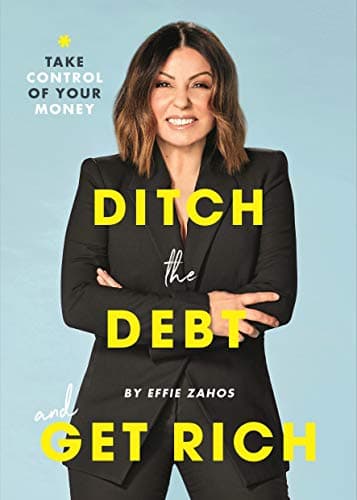
Ditch the Debt and Get Rich
Effie Zahos
Ditch the Debt and Get Rich
One of Australia's most trusted money journalists shows you how to crush debt and build real wealth without giving up your flat white. Clear, doable steps you can start this week.
The Total Money Makeover
Dave Ramsey
The Total Money Makeover
A no-nonsense, step-by-step plan for smashing debt with the snowball method and building a real emergency fund. The tough-love budgeting works anywhere, just use the ATO and super instead of his US tax tips.
The Barefoot Investor
Scott Pape

The Barefoot Investor
Australia's best-selling money book ever. A simple system for accounts, budgeting, debt and a real emergency fund in one.
Some links above are affiliate links. If you buy through them, Snowball Invest may earn a small commission at no extra cost to you. We only recommend books we'd suggest anyway.
Sources
Was this article useful?
Put it to your own numbers
Every calculator runs entirely in your browser, with nothing stored. See what these numbers look like for your own situation.
Try the Debt Payoff calculator →General information only. This article is educational and does not constitute personal financial advice. It does not account for your circumstances. Consider your own situation and seek advice from a licensed adviser before acting. Read our full disclaimer.

Timothy Hirou Gaschereau
Founder of Snowball Invest, not a financial adviser.
I write about what I'm learning myself, because nobody ever taught us how to take control of our own money. It's a skill, not a mystery, and it's never too late to learn it. The best day to start was yesterday, the second best is today.
LinkedIn →Related articles

Personal Loan vs Credit Card: Which Is Cheaper for Borrowing?
Real RBA rate data comparing personal loans and credit cards, when each genuinely makes sense, and why the interest-free period matters more than people think.

How to Refinance a Car Loan in Australia
Thinking of refinancing your car loan? Here is how to do it step by step, what it really costs, the balloon and car-age rules, and when it is actually worth it.

How to Refinance a Personal Loan in Australia
Want to refinance a personal loan in Australia? A plain-English guide to the process, the real costs, debt consolidation traps, and when switching actually saves money.