
Women & Money by Suze Orman: An Honest Review
Our honest Women & Money review for Australians: Suze Orman's empowerment-first take on the psychology of money, the US-centric bits, and who it's for.
 By Timothy Hirou GaschereauPublished
 9 min read
Suze Orman's Women & Money is one of the most talked-about personal finance books aimed at women, and for good reason. It's a motivational empowerment book at heart, one that pushes women to take control of their financial lives rather than hand that power to someone else. Here's the honest picture: what it does brilliantly, where it falls flat, and what Australian readers need to know. It's part of our personal finance book reviews on Snowball Invest.
Quick answer
A genuinely empowering read for beginners, but Australian readers will need to do a fair bit of translation to make the practical chapters useful. Best for women new to personal finance who want a confidence boost alongside the basics. Skip it if you want advanced investing strategies or Australian-specific product guidance. Our rating: 3.5 out of 5.
Want to read Women & Money?
Suze Orman's empowering push for women to take control of their money. Strong on the emotional side and the basics, US-centric on the mechanics.
In this guide
- →What the book is about: the psychology of money and the 8 qualities
- →The genuine strengths and the honest weaknesses
- →Who it's for, and who should skip it
- →What critics and readers say (including the FIRE controversy)
- →The Australian angle: super, wills and ASX ETFs
📖 What is Women & Money about?
Suze Orman is one of the most recognisable personal finance personalities in the world, built through years as a US TV host, a string of bestsellers and now a podcast. She's not a quiet presence: she has opinions and shares them loudly, which is both her greatest strength and, for some readers, her biggest weakness. Women & Money (originally 2007, revised and updated since) is a million-copy number one New York Times bestseller, and the revised edition adds a new financial plan and a bonus investing chapter.
The core argument is that women often have a complicated, sometimes dysfunctional relationship with money that holds them back, and that they should "stand in their truth", stop deferring to others, and take genuine ownership. She builds her framework around the 8 qualities of a wealthy woman (harmony, balance, courage, generosity, happiness, wisdom, cleanliness and beauty), character qualities she argues women need to cultivate before the practical steps will stick. From there it covers building an emergency fund, getting out of debt, investing basics, retirement planning, and protecting yourself with the right legal documents (wills, powers of attorney). Worth knowing upfront: Orman is polarising. Some find her empowering and direct; others find the book preachy, with a motivational-speaker energy that can feel more like a revival meeting than a finance class. Both reactions are fair.
⚖️ Strengths and weaknesses
What it gets right
- ✓The psychology of money is handled with real care: why women often undervalue themselves financially, and how self-worth and net worth connect. This is the book's strongest material.
- ✓Empowering for women who've felt shut out of money conversations, and can genuinely shift a 'finance isn't for me' mindset.
- ✓The practical basics are solid: emergency fund, debt payoff, wills and powers of attorney, explained clearly.
- ✓Jargon-free writing: no finance degree required.
- ✓A strong confidence-builder for beginners.
- ✓The companion podcast extends the content well for ongoing motivation.
Where it falls short
- ✕Very US-centric: Roth IRAs, 401(k)s, US insurance and estate law, so Australians must translate almost every practical chapter.
- ✕The motivational, preachy tone that some readers love is exactly what others find grating.
- ✕Some advice is generic or dated, even in the revised edition.
- ✕Orman is a polarising personality, seen by some as overly conservative or off-putting.
- ✕Investing depth is thin: the investing chapter is a starting point, not a guide to ETFs or portfolios.
- ✕Her well-known criticism of the FIRE movement won't land well with readers interested in financial independence.
👤 Who should read it, and who should skip it?
Read it if you
- ✓Are a woman new to personal finance and want a motivational entry point, not a textbook.
- ✓Have avoided money conversations out of fear, shame or a sense that finance is 'not for you'.
- ✓Want a push to finally sort out your basic financial documents (wills, powers of attorney).
Skip it if you
- ✕Want Australian-specific product guidance.
- ✕Are already comfortable with personal finance basics.
- ✕Are a FIRE enthusiast (Orman's public criticism of FIRE is a real barrier).
- ✕Find a motivational or self-help tone grating.
🔍 What do critics say?
Mainstream media reception has been broadly positive, framing Orman as a significant force in financial education for women and crediting the book with filling a real gap: the message that women need a financial voice and genuine agency over their money. It's a million-copy number one New York Times bestseller, which reflects genuine reach and demand. The practical and emotional framing, particularly the anxiety many people feel when finances are unclear, is a recurring theme in the coverage.
💬 What do readers say?
The picture from online communities is more mixed, which is probably the most honest reflection of the book. Personal finance communities have a complicated relationship with Orman generally: some credit her with getting them started and appreciate her accessible approach, while others find her advice overly conservative or her framing too focused on fear. Her "Can I Afford It" spending-accountability framework is genuinely underrated and useful. FIRE communities, though, are largely critical, mostly because of her very public criticism of the financial independence movement, which coloured how she's perceived there.
On Goodreads the book is well-reviewed overall, with a mix of five-star empowerment reviews from readers who found it life-changing and lower-star critiques focused on the US-centric content and the preachy tone. Both camps have a point, and knowing which one you fall into tells you most of what you need to know before buying.
🇦🇺 The Australian angle
The honest truth: the empowerment and psychology-of-money content is the book's real value, and it translates perfectly to an Australian context. The practical chapters are a different story, and every US-specific account or product needs translating:
- 401(k) and Roth IRA become superannuation, salary sacrifice and concessional contributions.
- US estate law specifics become Australian wills and enduring powers of attorney (which vary by state, so get proper legal advice).
- US insurance products need mapping to Australian equivalents.
- Investing should be applied via low-cost ASX-listed ETFs and broad-market index funds rather than the US products Orman references.
For regulated, Australia-specific guidance, ASIC's MoneySmart covers budgeting, debt, super, insurance and investing with no sales agenda, and the ATO is the go-to for super and tax. Use the emotional and empowerment content as the book's real value, and treat the practical chapters as a starting point, not a finish line. For genuinely local women-focused reads, our Joy of Money review and Financial Feminist review cover this territory with more relevant mechanics.
💰 The verdict
Women & Money is a good book for the right reader. If you're a woman who has been avoiding money conversations, who feels like finance is something other people do, or who has never got around to sorting out a will or emergency fund, it can genuinely move you: the psychology-of-money sections are strong, the writing is accessible, and the message is one a lot of women need to hear. For Australian readers, the practical chapters require significant translation, and that's a real limitation worth being honest about. If you already know the basics, or want depth on investing, portfolios or FIRE, this isn't your book. But as an entry point for someone who needs both a confidence boost and a practical nudge, it earns its place. Pair it with Australian resources and take the US-specific advice as a framework rather than a prescription. Our rating: 3.5 out of 5.
Want to read Women & Money?
Been putting off taking charge of your money? Grab a copy for the confidence boost, then localise the US mechanics.
SnowLetter
Australia's money news and our best reads, once a week.
❓ Frequently asked questions
Is Women & Money worth reading?
+
For the right reader, yes. If you're new to personal finance and want a motivational, accessible entry point that covers the emotional side of money as well as the practical basics, it's worth your time. If you're already comfortable with the fundamentals or want advanced investing guidance, you'll likely find it too surface-level.
Is it suitable for Australian readers?
+
Partly. The empowerment and psychology-of-money content is universal and translates well. The practical chapters are heavily US-centric, with references to Roth IRAs, 401(k)s and US estate law that don't apply directly. Use the book for the mindset content and pair it with ASIC's MoneySmart and the ATO for local guidance.
What are the '8 qualities of a wealthy woman'?
+
Harmony, balance, courage, generosity, happiness, wisdom, cleanliness and beauty. Orman frames these as character qualities to cultivate as the foundation for lasting financial change, the emotional and psychological groundwork she believes has to come before the practical steps will stick.
Does Suze Orman have a podcast?
+
Yes, 'Women & Money (And Everyone Smart Enough to Listen)', available on Apple Podcasts, Spotify and other major platforms. It covers personal finance advice, listener questions and practical steps, extending the book's themes in an ongoing format.
What's the best personal finance book for women in Australia?
+
There's no single answer, and it depends where you're starting from. Women & Money is a strong motivational entry point. For Australian-specific guidance, ASIC's MoneySmart is a free, regulated and genuinely excellent resource, and locally authored titles like The Barefoot Investor and She's on the Money are often recommended. No book replaces personalised advice from a licensed adviser.
Is Suze Orman's advice still relevant?
+
Broadly yes, with caveats. The core message (take ownership of your finances, build an emergency fund, get out of debt, protect yourself with the right documents) is timeless. Some specific advice and product references are dated, and her well-known criticism of the FIRE movement remains controversial. For Australians, the emotional and empowerment content holds up well; the practical specifics need translating.
📚 Get the book (and two companions)
Women & Money
Suze Orman
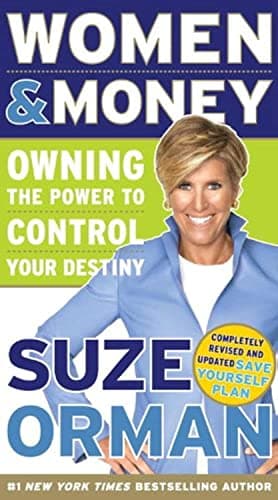
Women & Money
Suze Orman's empowering push for women to take control of their money, strong on the emotional side and the basics. US-centric on accounts and estate law, and her preachy style is not for everyone.
Financial Feminist
Tori Dunlap
Financial Feminist
A warm, funny guide to money aimed at women, covering everything from killing shame around spending to negotiating pay and starting to invest. The mindset and salary chapters land hard, just apply an Australian lens.
The Joy of Money
Kate McCallum & Julia Newbould
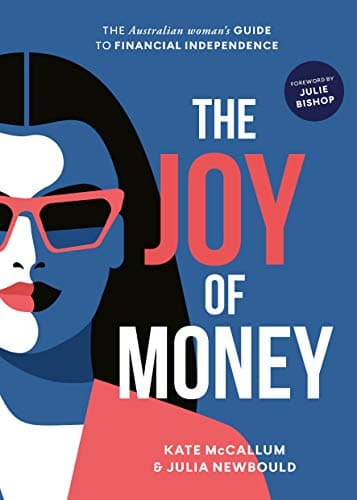
The Joy of Money
Kate McCallum and Julia Newbould map out financial independence for Australian women, from super and investing to insurance and estate planning. Practical, warm and refreshingly free of finance-bro energy.
Some links above are affiliate links. If you buy through them, Snowball Invest may earn a small commission at no extra cost to you. We only recommend books we'd suggest anyway.
Sources
Was this article useful?
Put it to your own numbers
Every calculator runs entirely in your browser, with nothing stored. See what these numbers look like for your own situation.
Explore the calculators →General information only. This article is educational and does not constitute personal financial advice. It does not account for your circumstances. Consider your own situation and seek advice from a licensed adviser before acting. Read our full disclaimer.

Timothy Hirou Gaschereau
Founder of Snowball Invest, not a financial adviser.
I write about what I'm learning myself, because nobody ever taught us how to take control of our own money. It's a skill, not a mystery, and it's never too late to learn it. The best day to start was yesterday, the second best is today.
LinkedIn →Related articles

Clever Girl Finance by Bola Sokunbi: An Honest Review
Our honest Clever Girl Finance review for Australians: Bola Sokunbi's empowering, women-focused starter on mindset, debt and wealth, and what needs localising.

Rich AF by Vivian Tu: An Honest Review
Our honest Rich AF review for Australians: Vivian Tu's fun, beginner-friendly STRIP framework, what translates here, and what needs localising to super and Aussie tax.

She's on the Money Review: Honest and Actually Useful
Our honest She's on the Money book review: what Victoria Devine gets right, where it falls short, and whether it's worth your time as an Australian reader.