

Rich AF by Vivian Tu: An Honest Review
Our honest Rich AF review for Australians: Vivian Tu's fun, beginner-friendly STRIP framework, what translates here, and what needs localising to super and Aussie tax.
 By Timothy Hirou GaschereauPublished
 9 min read
If you've spent more than five minutes on finance TikTok, you already know Vivian Tu. This review cuts through the hype and tells you whether the book actually delivers. Short version: it's a fast, genuinely fun read that covers the basics in a voice that doesn't make you want to fall asleep. It's part of our personal finance book reviews on Snowball Invest.
Quick answer
A bestseller with broad, well-earned appeal: a fast, fun read that covers the personal finance basics in an engaging, no-BS voice. For young Australians who feel lost with money, it's one of the best starting points around. The caveat: it's written for a US audience, so a chunk of the tax and account content won't map directly here. Read it for the mindset and framework, then supplement with Australian resources. Our rating: 4 out of 5.
Want to read Rich AF?
Your Rich BFF turns viral, no-BS energy into a fun beginner playbook: make more, spend smart, invest early.
In this guide
- →What the book is about: the STRIP framework and 'make more, spend smart, invest early'
- →The genuine strengths and the honest weaknesses
- →Who it's for, and who's past this stage
- →What critics and readers say
- →The Australian angle: super, Aussie tax and ASX ETFs
📖 What is Rich AF about?
Vivian Tu built her following as "Your Rich BFF" by making personal finance feel like a chat with a mate rather than a lecture from a bank. A former Wall Street trader (she worked at J.P. Morgan) turned viral creator with millions of followers, she published Rich AF in 2023, with an Australian edition following. The book is built around her STRIP framework:
- S for Savings
- T for Total debt
- R for Retirement
- I for Investing
- P for Planning
That structure gives the whole book a backbone, which is more than a lot of beginner titles can say. The through-line is simple: make more, spend smart, invest early. Tu covers budgeting and spending habits, paying off debt strategically, negotiating your salary, earning more through side hustles, understanding tax basics, and getting started with long-term investing. The voice is upbeat, social-media-native and deliberately no-BS, aimed squarely at millennials and Gen Z who find traditional finance books dry or intimidating. That's both its greatest strength and, for some readers, its biggest limitation.
⚖️ Strengths and weaknesses
What it gets right
- ✓The voice is genuinely engaging: Tu writes the way she talks online, and it makes finance approachable rather than scary.
- ✓The STRIP framework gives beginners a clear, actionable structure instead of a pile of disconnected tips.
- ✓Strong on earning more: it spends serious time on salary negotiation and side hustles, not just cutting lattes.
- ✓Investing feels accessible, demystifying index funds without drowning you in jargon.
- ✓Short chapters suit the way people actually read now.
- ✓The broad appeal is well-earned: a bestseller with a strong reader rating.
Where it falls short
- ✕Very US-centric: 401(k)s, Roth IRAs, HSAs, FSAs and US tax brackets everywhere, so Australians must translate.
- ✕The fast, social-media tone can feel thin on complex topics, some of which get a paragraph when they deserve a chapter.
- ✕Foundational, not advanced: little new if you already have an emergency fund and invest regularly.
- ✕The tone occasionally tips into preachy and can read as a little dismissive of different financial choices.
- ✕Light on the 'how' for investing: a compelling case for index funds, but vague on actually getting started.
👤 Who should read it, and who should skip it?
Read it if you
- ✓Are in your 20s or early 30s and money feels overwhelming or confusing.
- ✓Want a fun, fast read that covers the basics without putting you to sleep.
- ✓Are looking for the motivation to actually start taking your finances seriously.
- ✓Want practical prompts on earning more and negotiating your salary.
Skip it if you
- ✕Already have an emergency fund, invest regularly, and understand the fundamentals.
- ✕Want deep, Australia-specific guidance on tax and super.
- ✕Prefer a slower, more methodical approach to personal finance.
🔍 What do critics say?
Rich AF debuted as a bestseller, and Tu has since been recognised as one of the most influential finance creators online for making personal finance more accessible. Professional reviewers praised the book's accessibility and clear entry point for beginners, while noting the US-centricity and the lack of depth for readers who already have a handle on the basics. The consensus: it does exactly what it sets out to do, which is get young people interested and moving, and it does it well.
💬 What do readers say? Goodreads and Reddit
On Goodreads it sits at around 4 out of 5 from several thousand ratings, and the pattern in feedback is consistent: people new to personal finance tend to love it, calling it clear, digestible and genuinely motivating, while readers with some existing knowledge found it too surface-level, with many topics covered broadly rather than in depth.
A smaller number of readers felt the tone could come across as judgmental toward people in difficult financial situations. Both camps are right, in a way: it's a book that does exactly what it sets out to do, and that's not the same thing as doing everything.
🇦🇺 The Australian angle
What translates well:
- The core mindset shift: focus on earning more, not just cutting back.
- Salary negotiation advice, which is universal and genuinely useful.
- The "invest early, invest consistently" message, which applies perfectly to ASX ETFs and long-term wealth building.
- Budgeting frameworks and debt-payoff strategies (avalanche versus snowball), just as relevant here.
What needs translation:
- 401(k) becomes superannuation. Your employer contributes 12% of your salary (from 1 July 2025), and you can add more via salary sacrifice.
- Roth IRA has no direct equivalent; salary sacrifice into super offers similar tax advantages in the Australian context.
- US tax brackets become Australian marginal tax rates, with different thresholds and the Medicare levy on top.
- HSA and FSA accounts have no Australian equivalent, so skip those sections.
- For investing, low-cost ASX ETFs through Australian brokerage platforms are the local equivalent of the US index funds Tu recommends (context, not a product recommendation).
Treat the book as a mindset and framework guide rather than a step-by-step Australian how-to and you'll get a lot out of it (just don't try to open a Roth IRA). For genuinely local reads in the same spirit, our She's on the Money review and Broke Millennial review are strong companions.
💰 The verdict
For young Australians new to personal finance, Rich AF is a genuinely strong starting point. It gets you interested and gives you a framework to work from, and while it won't replace Australian-specific resources on super and tax, it will almost certainly make you more motivated to engage with your money. Read it, enjoy it, then head to local resources to fill in the gaps. Our rating: 4 out of 5.
Want to read Rich AF?
Money feels overwhelming and boring? Grab a copy for the fun, motivating intro, then localise the US tax bits.
SnowLetter
Australia's money news and our best reads, once a week.
❓ Frequently asked questions
Is Rich AF by Vivian Tu worth reading for Australians?
+
Yes, with a caveat. The mindset, earning-more and invest-early messages are universally useful. The tax and account-specific content is US-focused, so Australians should supplement it with local resources like MoneySmart. As a starting point for beginners, it's one of the better options available.
What is the STRIP framework?
+
STRIP stands for Savings, Total debt, Retirement, Investing and Planning. It's the five-part structure Tu uses to organise the book and give readers a clear sequence for getting their finances in order.
Is it suitable for beginners?
+
Absolutely. It's written specifically for people who feel lost or intimidated by money. The language is plain, the chapters are short, and the tone is encouraging. If you already have a solid handle on personal finance, you may find it too basic.
How US-centric is it?
+
Very. References to 401(k)s, Roth IRAs, HSAs, FSAs and US tax brackets appear throughout. Australians will need to mentally translate these to superannuation, salary sacrifice and Australian marginal tax rates. The core principles still apply, but the specifics need local context.
What is Vivian Tu's background?
+
She's a former Wall Street trader (she worked at J.P. Morgan) who became a viral finance creator as 'Your Rich BFF' on TikTok and Instagram, with millions of followers, and has been recognised as one of the most influential finance creators online. She reached millionaire status young.
Where can I buy it in Australia?
+
The Australian edition (published by Penguin Books Australia) is available from major Australian book retailers and online, in print and eBook formats.
📚 Get the book (and two companions)
Rich AF
Vivian Tu
Rich AF
Your Rich BFF turns her viral, no-BS energy into a fun beginner playbook: make more, spend smart, invest early. Great for young Aussies starting out, just translate the US tax and account bits.
She's on the Money
Victoria Devine
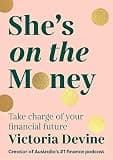
She's on the Money
Written for millennials, walks through budgeting, clearing debt, saving, investing and buying property with real stories.
Broke Millennial
Erin Lowry
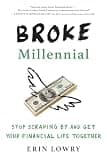
Broke Millennial
A relatable, jargon-free starter guide for young adults on budgeting, killing debt and having awkward money talks. The practical habits carry over neatly, just read the US credit-score chapters through an Australian lens.
Some links above are affiliate links. If you buy through them, Snowball Invest may earn a small commission at no extra cost to you. We only recommend books we'd suggest anyway.
Sources
Was this article useful?
Put it to your own numbers
Every calculator runs entirely in your browser, with nothing stored. See what these numbers look like for your own situation.
Explore the calculators →General information only. This article is educational and does not constitute personal financial advice. It does not account for your circumstances. Consider your own situation and seek advice from a licensed adviser before acting. Read our full disclaimer.

Timothy Hirou Gaschereau
Founder of Snowball Invest, not a financial adviser.
I write about what I'm learning myself, because nobody ever taught us how to take control of our own money. It's a skill, not a mystery, and it's never too late to learn it. The best day to start was yesterday, the second best is today.
LinkedIn →Related articles

Women & Money by Suze Orman: An Honest Review
Our honest Women & Money review for Australians: Suze Orman's empowerment-first take on the psychology of money, the US-centric bits, and who it's for.

Clever Girl Finance by Bola Sokunbi: An Honest Review
Our honest Clever Girl Finance review for Australians: Bola Sokunbi's empowering, women-focused starter on mindset, debt and wealth, and what needs localising.

She's on the Money Review: Honest and Actually Useful
Our honest She's on the Money book review: what Victoria Devine gets right, where it falls short, and whether it's worth your time as an Australian reader.