
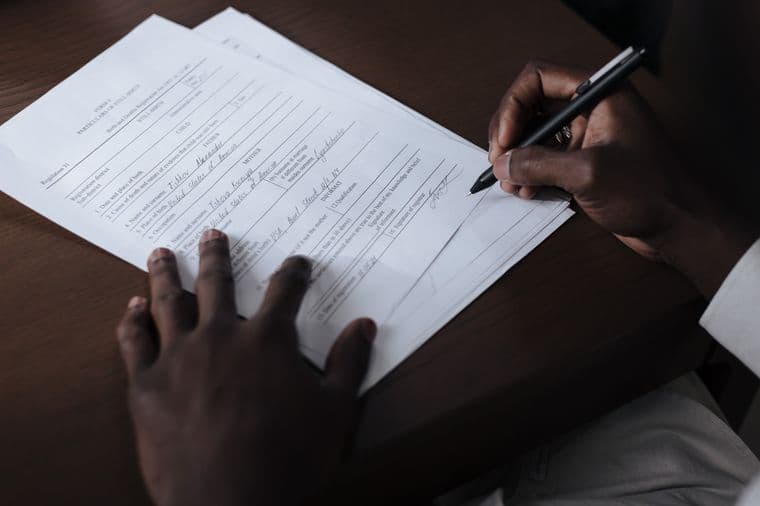
How to Talk to Your Parents About Money
Dreading the money talk with ageing parents? Here is how to raise wills, super and aged care calmly in Australia, without guilt or a family blow up.
 By Timothy Hirou GaschereauPublished
 9 min read
Nobody enjoys sitting their parents down to talk about wills, super and what happens when they are gone. It feels intrusive, and most of us put it off until a health scare forces the issue. By then it is much harder. This is a practical, empathetic way to get it done, part of our wider money and relationships guides on Snowball Invest. General information only, not financial, legal or personal advice.
Quick answer
Talking to ageing parents about money is uncomfortable, so most people avoid it until a crisis makes it worse. Go in with curiosity, not urgency. This is about their wishes and their peace of mind, not your inheritance. Pick a calm, private moment, start with the easy topics like funeral wishes or whether a will exists, and treat it as a series of small conversations rather than one big interrogation.
In this guide
- →Why avoiding the conversation causes real, practical harm
- →The wrong time to raise it, and the right one
- →Gentle openers that don't feel like an interrogation
- →The eight things worth knowing over time
- →What to do if they refuse, and when to bring in a professional
💬 Why this conversation is so hard, and so important
🎯 The essential: Avoiding the money talk causes real harm. Without a will, the state decides how the estate is divided. Without an enduring power of attorney, no one can legally manage finances if capacity is lost. Without knowing the super fund, accounts sit lost for years.
It can feel like you are circling before anyone has even caught a cold. But the practical reality is that decisions made calmly in advance are far kinder than ones forced in a crisis. Residential aged care in Australia can be expensive, and those choices are much harder when made under pressure. Having the conversation now, while everyone is well and thinking clearly, is one of the most loving things you can do for the whole family.
🕰️ The wrong time and the right time
Do not raise this at Christmas dinner. Not at a birthday. Not in the car on the way home from a hospital appointment when everyone is already rattled. The right moment is a calm, private one, ideally one you initiate rather than one a crisis forces.
One of the most disarming ways to open the door is to frame it around your own situation too. Something like: "I've been sorting out my own will and it made me realise I have no idea where your documents are." That shifts the tone from "I'm worried about you" to "we're all in this together."
🚪 How to open the conversation
The worst version starts with a list of questions and a clipboard. That is an interrogation, not a chat. Lead with their wishes, not their assets. You are not there to audit them, you are there to understand what they want so you can help make it happen. Some gentle openers that actually work:
- "Have you ever thought about what you'd want for your funeral? I realise I have no idea."
- "Do you have a will? I'm asking because I'm sorting mine out and it got me thinking."
- "If something happened and you couldn't make decisions, who would you want to handle things?"
Start with the easiest topic, usually funeral wishes or whether a will exists. Those feel less invasive than "how much money do you have?" Once the conversation is flowing, the financial details become easier to raise. Listen more than you talk, let them lead, and take notes if they are comfortable with that.
📋 What to actually cover
You do not need to cover everything in one sitting. Over time, here is what you want to know.
- Is there a will, and where is it kept? If not, that is the first priority. A solicitor can help. Our guide on how to write a will in Australia explains why it matters.
- Enduring power of attorney: do they have one, and who is named? Arguably the most urgent document. It must be signed while your parent still has legal capacity. Once capacity is lost, it is too late. See our estate planning guide.
- Superannuation: which fund, and is the beneficiary nomination up to date? Super does not automatically form part of an estate. The fund trustee decides who receives it, guided by a binding death benefit nomination. If that is out of date or missing, the money may not go where your parent intends. Our guide on super death benefits covers this.
- Bank accounts and investments: are there accounts the family does not know about? It is more common than people think. The ATO's online services via myGov let anyone check for lost or unclaimed super, and ASIC MoneySmart points to the state and territory unclaimed money registers.
- Debts: mortgage, credit cards, personal loans. Debts do not disappear when someone dies. They are settled from the estate before anything is distributed.
- Funeral wishes: burial or cremation, any prepaid arrangements? Often the easiest topic to raise and one of the most practically useful.
- Professional contacts: do they have an accountant, financial adviser or solicitor? Get the names and details, they will be invaluable if something happens suddenly.
- Aged care preferences: home care, retirement village, residential aged care or moving in with family all have very different financial implications. My Aged Care (1800 200 422) is the starting point for any formal assessment.
✅ Do's and don'ts
Do pick a calm, private moment with no time pressure, go in with curiosity, take notes with their permission, and follow up in writing. Don't ambush them at a family gathering, make it about the inheritance, gang up with siblings, or try to cover everything in one sitting.
Do: lead with curiosity, involve a neutral professional (solicitor, adviser or GP) if the conversation keeps stalling, and frame it as planning rather than a farewell.
Don't: raise it straight after a health scare, push to finish it all at once, or make them feel like they are dying. This is a series of conversations, not a single event.
🙅 What if they refuse to talk?
Some parents will shut down, change the subject, get defensive, or tell you it is none of your business. That is painful, but it is not the end. Try again later with a different approach. Sometimes a letter works better than a face-to-face conversation, because it gives them time to process without feeling put on the spot.
A trusted third party can also help. Their GP, accountant, a long-time family friend or a financial adviser can sometimes raise these topics more neutrally than a child can. If they remain resistant, gently share the practical reality: if a parent loses capacity without an enduring power of attorney in place, the family may need to apply to their state or territory tribunal (VCAT in Victoria, NCAT in New South Wales, QCAT in Queensland) for guardianship or administration orders. That process is stressful, slow and expensive. It is the outcome everyone wants to avoid.
🧑⚖️ When to bring in a professional
You do not have to navigate this alone, and in many cases you should not. A solicitor handles wills, enduring powers of attorney and estate planning, and makes sure the documents are valid. A financial adviser can model the costs of different aged care options and help with super and investments. My Aged Care (1800 200 422) is the government's starting point for aged care assessments. And each state has a public trustee that can act as administrator or executor as a safety net if there is no will.
👨👩👧 Should siblings be involved?
There is no single right answer. Involving everyone means the same information is heard at the same time and the load is shared. But a group conversation can feel like an ambush to a parent. Three adult children around the kitchen table asking about the will is a lot.
Our suggestion: one sibling leads the first conversation. Agree beforehand on what to cover and the tone to take, then loop the others in once the ice is broken. A united, calm front is far more effective than a family meeting that turns into a debate.
SnowLetter
Australia's money news and our best reads, once a week.
❓ Frequently asked questions
How do I bring up money with my parents without it being awkward?
+
Start with something low-stakes, like funeral wishes or whether they have a will. Frame it around your own situation too: "I've been sorting out my own documents and realised I don't know where yours are." That takes the pressure off them and makes it a shared conversation rather than an interrogation.
What should I actually ask my ageing parents about their finances?
+
Cover the essentials over time: will, enduring power of attorney, super fund and beneficiary nomination, bank accounts and investments, any debts, funeral wishes, and the contact details of their accountant, solicitor or financial adviser. You don't need to cover everything at once.
What if my parent refuses to talk about money?
+
Try again later, with a softer approach. A written letter sometimes works better than a face-to-face conversation. You can also ask a trusted third party, such as their GP or accountant, to raise the topic. If they remain resistant, gently explain that without documents like an enduring power of attorney in place, the family may face a tribunal process if they ever lose capacity.
Should siblings be involved in the conversation?
+
Not necessarily in the first conversation. One sibling leading is usually less overwhelming for a parent. Agree on a united approach beforehand, then bring others in once the conversation is underway.
When do we need a lawyer?
+
For wills and enduring powers of attorney, a solicitor is essential. These documents need to be legally valid, and the requirements vary by state. Don't rely on a generic online template for something this important. A solicitor can also help with estate planning if your parents have complex assets.
What happens if my parent loses capacity and there's no power of attorney?
+
Without an enduring power of attorney, no one has automatic legal authority to manage your parent's finances. The family would need to apply to the relevant state or territory tribunal (such as VCAT, NCAT or QCAT) for an administration order. That process takes time, costs money and is stressful for everyone. It's exactly why getting the documents in place early matters so much.
📚 Recommended reading
The Barefoot Investor
Scott Pape

The Barefoot Investor
Australia's best-selling money book ever. A simple system for accounts, budgeting, debt and a real emergency fund in one.
Die With Zero
Bill Perkins

Die With Zero
Stop hoarding cash for a someday that never comes. Perkins makes the case for spending on experiences while you are still young enough to enjoy them.
Your Money or Your Life
Vicki Robin

Your Money or Your Life
The book that basically kicked off the FIRE movement, reframing money as 'life energy' you trade your hours for. The nine-step program is pure gold, just swap the US retirement-account chapter for super.
Some links above are affiliate links. If you buy through them, Snowball Invest may earn a small commission at no extra cost to you. We only recommend books we'd suggest anyway.
Sources
Was this article useful?
Put it to your own numbers
Every calculator runs entirely in your browser, with nothing stored. See what these numbers look like for your own situation.
Explore the calculators →General information only. This article is educational and does not constitute personal financial advice. It does not account for your circumstances. Consider your own situation and seek advice from a licensed adviser before acting. Read our full disclaimer.

Timothy Hirou Gaschereau
Founder of Snowball Invest, not a financial adviser.
I write about what I'm learning myself, because nobody ever taught us how to take control of our own money. It's a skill, not a mystery, and it's never too late to learn it. The best day to start was yesterday, the second best is today.
LinkedIn →Related articles

Estate Planning in Australia: The Four Documents Most People Never Get Around To
What is estate planning in Australia? The four documents you actually need, what they cost, and what happens if you die without them.

How to Write a Will in Australia (Without Necessarily Paying a Lawyer)
How to write a legally valid will in Australia: your real options from DIY kits to solicitors, what actually makes a will valid, and the mistakes that void one.

What Is a Family Trust in Australia? A Plain-English Guide
What is a family trust in Australia? A plain-English guide to how income distribution works, the tax benefits, the real costs, and who a trust actually suits.