

Estate Planning in Australia: The Four Documents Most People Never Get Around To
What is estate planning in Australia? The four documents you actually need, what they cost, and what happens if you die without them.
 By Timothy Hirou GaschereauPublished
 9 min read
This article is general information only, not financial or legal advice. Your situation is your own, please consult a qualified financial adviser or solicitor before making decisions about your estate. This is part of a wider guide to property and debt on Snowball Invest.
Quick answer
Estate planning in Australia comes down to four documents: a will, an enduring power of attorney, an enduring guardianship appointment, and a superannuation beneficiary nomination. Most Australians have none of them. A basic set through a solicitor typically costs somewhere in the low thousands, less if your situation is simple. The real risk isn't the cost, it's leaving all four blank.
In this guide
- →What estate planning actually means, and why it's not just for retirees
- →The four documents that matter, explained in plain English
- →What happens if you die, or lose capacity, without any of them in place
- →A realistic picture of what this actually costs, and where to start
🧭 What estate planning actually is
Say "estate planning" and most people picture a wealthy retiree with a property portfolio and a room full of lawyers. That's not what it is. It's simply a plan for what happens to your assets, and your people, when you can't make decisions anymore. That could mean death, but it also means incapacity: a stroke, a serious accident, a sudden illness. It happens at 32 just as easily as at 72.
There are four documents every Australian adult should have:
- Will. What happens to your assets when you die.
- Enduring power of attorney. Who manages your finances if you lose capacity.
- Enduring guardianship. Who makes medical and lifestyle decisions if you can't.
- Superannuation beneficiary nomination. Who receives your super, which sits entirely outside your will.
That's it. Most people have zero.
Will
Who gets your assets when you die
Enduring power of attorney
Who manages your money if you lose capacity
Enduring guardianship
Who makes medical decisions if you can't
Super nomination
Who gets your super, outside your will entirely
📄 Your will
A will sets out how you want your assets distributed after you die. It covers bank accounts, investments, your car, jewellery, and real estate held in your own name. It does not cover your super (that's a separate nomination, more below), property held jointly under a "joint tenancy" arrangement (which passes automatically to the surviving owner), or assets inside a family trust, which the trust deed governs instead.
Die without a valid will and you're intestate. Your state or territory's succession laws then decide who gets what, following a fixed formula, not your actual wishes. A surviving spouse or de facto usually gets priority, then children, then more distant relatives. With no eligible family at all, the estate can pass to the Crown. Someone also has to apply for Letters of Administration through the Supreme Court, which takes time and money that a valid will avoids entirely.
The full mechanics of getting a legally valid will in place, your options and what actually invalidates one, are covered in how to write a will in Australia, the natural next read alongside this one.
✍️ Enduring power of attorney
An enduring power of attorney (EPA) is the document that lets you appoint someone to make financial and legal decisions on your behalf if you lose capacity: paying bills, managing investments, selling property if needed.
"Enduring" is the key word. A general power of attorney stops working the moment you lose mental capacity. An enduring one keeps going, which is exactly when you need it most. The catch most people miss: you can only appoint an EPA while you still have capacity. Have a stroke tomorrow without one in place, and it's too late, someone has to apply to a tribunal or court to be appointed for you, a process that's slower and more stressful than doing it now.
There's no single national EPA form in Australia. Each state and territory has its own legislation, forms, and witnessing rules, so a document made in one state may not automatically be recognised in another. If you've moved states recently, check whether your existing EPA still holds up.
🩺 Enduring guardianship
If you're in a serious accident and can't communicate, who decides whether you have surgery, or where you're cared for? That's what an enduring guardian does, sometimes called a medical power of attorney depending on your state. They make medical, healthcare and lifestyle decisions on your behalf when you can't.
This is a separate role from your EPA attorney, who handles the money. Your enduring guardian handles everything to do with your body and your care. You can appoint the same person to both roles, or different people, whatever suits your situation. Just make sure whoever you appoint actually knows about it and has a copy of the document.
🏦 Your super beneficiary nomination
🎯 The essential: Your super does not automatically form part of your estate. It sits in a trust structure controlled by your fund's trustee, and your will has no power over it.
Die without a valid nomination, and the trustee of your fund decides who gets your balance, within the rules of super law, but still at their discretion. They might get it right. They might not.
A non-binding nomination tells the fund your preference, which the trustee can override. A binding nomination legally requires the trustee to follow your instructions. Most binding nominations expire every three years and need renewing, though some funds offer a non-lapsing version that doesn't. The full detail on how to set one up properly, who you can nominate, and the tax difference it makes, is in how binding death benefit nominations actually work.
💵 What it actually costs
Here's a realistic, general picture of what these documents typically cost.
| Document | Solicitor | Online service | DIY / Public Trustee |
|---|---|---|---|
| Simple will | A few hundred dollars | Considerably cheaper | Free to low-cost, depending on eligibility |
| Enduring power of attorney | A few hundred dollars | Cheaper again | Varies by state |
| Enduring guardianship | A few hundred dollars | Cheaper again | Varies by state |
| Full package (all three) | Low thousands | Several hundred dollars | Varies |
A few things worth knowing: complexity adds cost, blended families, business interests, or a testamentary trust inside your will all push the price up. Couples often pay less per person when bundled together. And every state and territory has a Public Trustee office that can meaningfully change the numbers. Queensland's Public Trustee, for example, prepares wills free of charge for all Queenslanders, whether or not they're appointed as executor. Other states offer similar concessions with their own eligibility rules, so it's worth checking your own state's Public Trustee site directly before assuming a solicitor is your only option.
The real cost of doing nothing is harder to put a number on: potentially tens of thousands in legal fees, family conflict, and assets ending up with the wrong people.
✅ The checklist
You don't need everything perfect. You need something in place. The minimum viable estate plan:
- Make a will, even a simple one, naming an executor and a guardian for any kids
- Appoint an enduring power of attorney, someone you trust completely with your finances
- Appoint an enduring guardian, separately in most states
- Make a binding super nomination, then diarise the renewal date
- Review life insurance beneficiaries held outside super
- Tell someone where everything actually is, a document nobody can find is nearly as useless as no document
📝 How to Write a Will in Australia
The practical, step-by-step version of the will piece of this puzzle.
SnowLetter
Australia's money news and our best reads, once a week.
❓ Frequently asked questions
Do I need a lawyer to make a will in Australia?
+
No, you don't legally need a solicitor. DIY kits and online services can produce a legally valid will. But a single error in wording or witnessing can invalidate the whole document, and you often won't know until it's too late to fix. For anything beyond a very simple situation, a solicitor is worth the cost.
What happens to my super when I die?
+
It doesn't automatically go to your estate. It's paid out by your super fund's trustee, either to your nominated beneficiary or, if you have no valid nomination, at the trustee's discretion within the rules of super law. A binding nomination is the only way to guarantee it goes where you want.
Can I change my will after I've made it?
+
Yes, as long as you have mental capacity. You can make a new will, which revokes the old one, or add a formal amendment called a codicil. Review your will after marriage, divorce, having kids, a major change in assets, or the death of someone named in it. In most states, getting married automatically revokes an earlier will.
What is a testamentary trust and do I need one?
+
It's a trust created inside your will that only takes effect when you die, holding and managing assets for your beneficiaries rather than handing them over directly. They're commonly used to protect assets for minor children or beneficiaries who might struggle managing a lump sum, and can offer some tax flexibility. They add complexity and cost, so they're not for everyone, worth discussing with a solicitor if your estate is significant.
Does estate planning reduce tax?
+
Not directly, and that's not really the point. A well-structured plan can minimise unnecessary tax on death benefits, particularly super, where the tax treatment depends heavily on who receives it. But the primary purpose of estate planning is making sure your assets go where you want and the right people can act for you if you can't. Tax efficiency is a side benefit.
What's the difference between an enduring power of attorney and an enduring guardian?
+
An enduring power of attorney covers financial and legal decisions, paying bills, managing investments, dealing with property. An enduring guardian covers medical and personal decisions, healthcare, treatment, where you live. They're separate documents in most states, and you can appoint different people to each.
What if I move interstate, is my will still valid?
+
Generally yes, a will validly made in one Australian state or territory is recognised across the country. Your enduring power of attorney is a different story, since each state has its own legislation and forms, so it may not automatically be recognised interstate. Worth having it reviewed if you've moved.
📚 Recommended reading
The Joy of Money
Kate McCallum & Julia Newbould
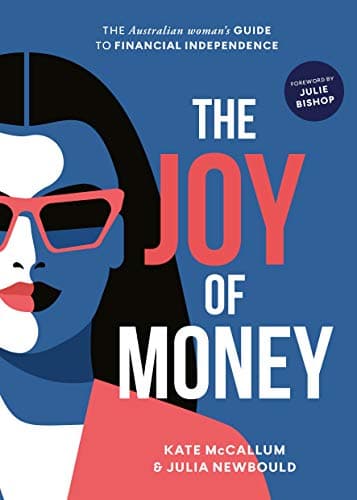
The Joy of Money
Kate McCallum and Julia Newbould map out financial independence for Australian women, from super and investing to insurance and estate planning. Practical, warm and refreshingly free of finance-bro energy.
Super Made Simple
Noel Whittaker
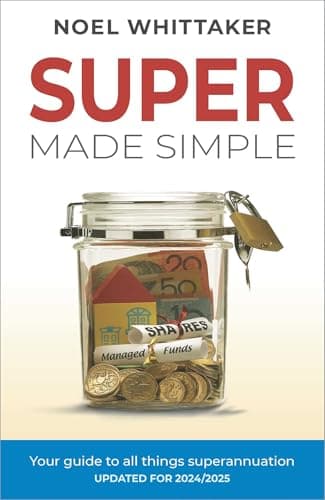
Super Made Simple
A focused, up-to-date guide to actually understanding your superannuation, from one of Australia's most trusted finance writers.
Die With Zero
Bill Perkins
Die With Zero
Stop hoarding cash for a someday that never comes. Perkins makes the case for spending on experiences while you are still young enough to enjoy them.
Some links above are affiliate links. If you buy through them, Snowball Invest may earn a small commission at no extra cost to you. We only recommend books we'd suggest anyway.
Sources
- 1. Wills and powers of attorney, Moneysmart, Australian Securities and Investments Commission
- 2. Who gets your super if you die, Moneysmart, Australian Securities and Investments Commission
- 3. Superannuation death benefits, Australian Taxation Office
- 4. Paying superannuation death benefits, Australian Taxation Office
- 5. Queensland Public Trustee, wills service
Was this article useful?
Put it to your own numbers
Every calculator runs entirely in your browser, with nothing stored. See what these numbers look like for your own situation.
Explore the calculators →General information only. This article is educational and does not constitute personal financial advice. It does not account for your circumstances. Consider your own situation and seek advice from a licensed adviser before acting. Read our full disclaimer.

Timothy Hirou Gaschereau
Founder of Snowball Invest, not a financial adviser.
I write about what I'm learning myself, because nobody ever taught us how to take control of our own money. It's a skill, not a mystery, and it's never too late to learn it. The best day to start was yesterday, the second best is today.
LinkedIn →Related articles

How to Write a Will in Australia (Without Necessarily Paying a Lawyer)
How to write a legally valid will in Australia: your real options from DIY kits to solicitors, what actually makes a will valid, and the mistakes that void one.

Enduring Power of Attorney in Australia
An enduring power of attorney lets someone you trust manage your affairs if you lose capacity. Here is how to set one up in Australia, and why not to wait.

How to Talk to Your Parents About Money
Dreading the money talk with ageing parents? Here is how to raise wills, super and aged care calmly in Australia, without guilt or a family blow up.