

The $100 Startup by Chris Guillebeau: An Honest Review
Our honest $100 Startup review for Australians: Chris Guillebeau's lean side-hustle playbook and 'convergence' idea, what it skips, and how it applies here.
 By Timothy Hirou GaschereauPublished
 9 min read
Bottom line up front: The $100 Startup is a genuinely motivating read that will get you moving, but it's not a business blueprint. It's a mindset book dressed up as a how-to guide, and that distinction matters. Chris Guillebeau published it in 2012, it went straight onto the bestseller lists, and over a decade later people are still recommending it in every side-hustle forum going. It's part of our personal finance book reviews on Snowball Invest.
Quick answer
A motivating, case-study-driven starting point for aspiring side-hustlers, freelancers and solo founders. Great for getting off the couch, a poor substitute for an accountant. Skip it if you want deep operational or financial detail, or you're already running a business. Our rating: 3.5 out of 5.
Want to read The $100 Startup?
A motivating, case-study-driven push to start a lean side hustle without a fortune or a business degree.
In this guide
- →What the book is about: convergence, lean starts and the one-page plan
- →The genuine strengths and the honest weaknesses
- →Who it's for, and who wants more depth
- →What critics and r/sidehustle readers say
- →The Australian angle: ABN, GST and the mechanics the book skips
📖 What is The $100 Startup about?
In one sentence: you don't need a lot of money, a business degree or a grand plan to start earning on your own terms. Guillebeau's central argument is that the best businesses sit at the intersection of three things: what you're good at, what you love doing, and what other people will actually pay for. He calls this convergence, and it's the most useful framework in the book. To build it, he researched 1,500 people who'd each built a business earning at least $50,000 a year from a standing start with $100 or less, then profiled a subset in depth. The result is a fast-moving, case-study-driven read covering:
- Starting lean and fast rather than planning forever.
- Writing a genuinely useful one-page business plan.
- Focusing on value and benefits rather than features.
- Building income and freedom on your own terms.
The tone is upbeat, almost relentlessly so: Guillebeau is a cheerleader, and the book reads like one long pep talk backed by real examples. Two caveats up front: the specific online and marketing tactics feel dated (this is a 2012 book), and the framing is almost entirely US and international, with no Australian mechanics.
⚖️ Strengths and weaknesses
What it gets right
- ✓It actually gets you moving, where most business books leave you informed and still stuck.
- ✓The case studies are real and varied (a baker, a photographer, a travel blogger, a dog trainer), which makes the ideas feel accessible.
- ✓The convergence framework is genuinely useful and clearly explained.
- ✓The one-page business plan is practical: articulate your idea, customer and revenue model in plain English.
- ✓The lean-start philosophy (start small, test fast, iterate) is timeless and made accessible.
- ✓It's a fast read you can finish in a weekend, which suits people juggling a day job.
Where it falls short
- ✕Survivorship bias: we hear from the people who made it work, not the many who tried the same approach and didn't.
- ✕The specific tactics are dated: 2012 email, SEO and social strategies bear little resemblance to what works now.
- ✕Light on hard operational detail: tax, legal structure, cash flow, contracts and insurance barely feature.
- ✕Nothing Australian about it: no ABN, GST, ATO or ASIC.
- ✕The optimism can gloss over real risk: building a business is hard, and the book doesn't dwell on that.
👤 Who should read it, and who should skip it?
Read it if you
- ✓Are thinking about a side hustle or freelance income but haven't started yet.
- ✓Want a motivating, case-study-driven push to get moving.
- ✓Are early in your thinking and want a framework for finding the right idea.
- ✓Are comfortable supplementing it with Australian-specific resources on tax and structure.
Skip it if you
- ✕Are already running a business and need operational depth.
- ✕Want detailed financial modelling, legal guidance or tax strategy.
- ✕Are looking for a book specifically about the Australian market.
- ✕Have read similar breezy titles and found them too light.
🔍 What do critics say?
The book landed on the bestseller lists in 2012, and mainstream reviewers praised its accessibility, its case-study approach, and the way it made entrepreneurship feel achievable for ordinary people rather than just Silicon Valley founders. It's not universally loved by serious business readers, though: the criticism from that camp tends to focus on the survivorship bias in the case studies, the lack of operational rigour, and the cheerleader tone that can make the hard parts of business feel optional. Fair points, all of them.
💬 What do readers say? Goodreads and Reddit
On Goodreads it holds around 3.9 out of 5 from tens of thousands of ratings, a solid score that reflects a genuine split: readers who found it transformative sit alongside readers who found it thin. Across r/Entrepreneur, r/smallbusiness and r/sidehustle the praise is consistent: actionable and easy to read for beginners, inspiring and real case studies, and great for overcoming inertia.
The criticism is just as consistent: oversimplified for anyone with serious ambitions, some tactics feel old, it lacks depth for founders building something substantial, and the relentless positivity can feel disconnected from the reality of building a business. It earns genuine enthusiasm from beginners and measured scepticism from experienced operators.
🇦🇺 The Australian angle
The core ideas translate directly: the convergence framework, the lean-start philosophy and the focus on delivering real value work just as well for a sole trader in Melbourne as a freelancer in Portland. If you're wondering how to start a business in Australia with no money, this book gives you the mindset and the framework, but not the mechanics. Here's what it doesn't cover and you'll need to sort out separately:
- ABN registration: every Australian operating a business needs an Australian Business Number.
- GST: if your turnover hits $75,000 or more you're required to register for GST with the ATO, and it's worth understanding your obligations early even below that.
- Sole trader registration: the ATO has clear guidance on being a sole trader, including your tax and reporting obligations.
- Business name registration: trading under a name other than your own means registering it with ASIC.
The ATO and ASIC both have solid, free resources for these steps, and The $100 Startup is a great companion to them, not a replacement. One more thing worth noting: the side income you build with these ideas can do a lot of heavy lifting for your broader financial goals (building a share portfolio, boosting super, paying down debt faster), which is where the real compounding happens. The book doesn't go there, but that's where the personal finance angle gets interesting. For the wider entrepreneurship-and-wealth picture, our E-Myth Revisited review and Millionaire Fastlane review are useful companions.
💰 The verdict
Yes, with realistic expectations. It's one of the better books for starting a business if what you need is a motivating, accessible starting point: it'll help you find your idea, frame it properly, and get moving without overthinking. Those are genuinely valuable things. It is not a substitute for proper business planning, tax advice, or Australian-specific guidance on structure and compliance, so read it alongside the ATO's sole trader resources and ASIC's business basics, not instead of them. If you're sitting on an idea and looking for the push to actually start, it's worth the price of a paperback. Just go in knowing what it is: a mindset book with a practical framework, not a complete business manual. Our rating: 3.5 out of 5.
Want to read The $100 Startup?
Sitting on a side-hustle idea? Grab a copy for the push, then sort your ABN and GST with the ATO.
SnowLetter
Australia's money news and our best reads, once a week.
❓ Frequently asked questions
Is The $100 Startup still relevant?
+
Yes and no. The mindset, the convergence framework and the lean-start philosophy are as relevant as ever. The specific online and marketing tactics (email-list building, early social media advice) are dated and reflect a 2012 digital environment. Read it for the thinking, not the execution playbook.
How many case studies are in it?
+
Guillebeau researched 1,500 people who had each built a business earning at least $50,000 a year from $100 or less in startup costs, and profiled a subset of those stories in depth throughout the book. The full 1,500 are the research base, not all profiled individually.
Is it good for Australians?
+
Yes for the mindset, no for local mechanics. The convergence framework and lean-start philosophy apply directly to Australian side-hustlers and sole traders. The book has nothing on ABN registration, GST, ATO obligations or ASIC requirements, so pair it with ATO and ASIC resources for the local detail.
What is the 'convergence' concept?
+
Guillebeau's framework for finding a viable business idea: the intersection of what you're passionate about, what you're skilled at, and what other people will actually pay for. Passion without skill is a hobby, skill without demand is a dead end, and the sweet spot where all three meet is where a real business lives.
Is it suitable for beginners?
+
Very much so. It's one of the more beginner-friendly business books around: plain language, relatable case studies, and frameworks simple enough to apply immediately. If you've never started a business and want a low-intimidation entry point, it's a solid choice.
Where can Australians buy it?
+
It's available from Amazon AU and major Australian bookshops in paperback, with eBook and audiobook versions on the usual platforms.
📚 Get the book (and two companions)
The $100 Startup
Chris Guillebeau
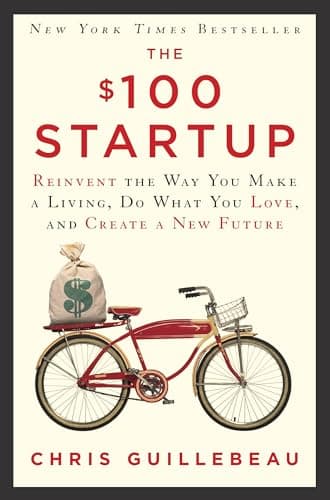
The $100 Startup
A motivating, case-study-driven push to start a lean side hustle without a fortune or a business degree. Great for getting off the couch, just sort the Aussie tax and structure separately.
The E-Myth Revisited
Michael E. Gerber
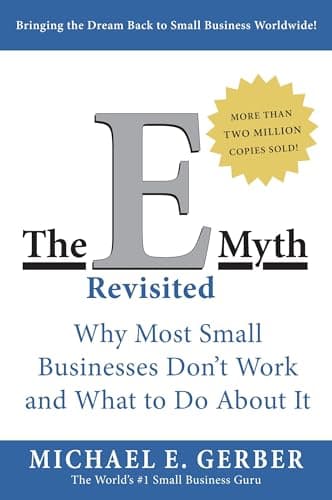
The E-Myth Revisited
The small-business classic on why being great at your craft doesn't mean you can run a business built on it. Work on it, not in it. Repetitive, but the systems lesson is timeless.
The Millionaire Fastlane
MJ DeMarco
The Millionaire Fastlane
DeMarco torches the slow-and-steady retirement dream and argues for building wealth through business instead. Loud, opinionated, and genuinely motivating.
Some links above are affiliate links. If you buy through them, Snowball Invest may earn a small commission at no extra cost to you. We only recommend books we'd suggest anyway.
Sources
Was this article useful?
Put it to your own numbers
Every calculator runs entirely in your browser, with nothing stored. See what these numbers look like for your own situation.
Explore the calculators →General information only. This article is educational and does not constitute personal financial advice. It does not account for your circumstances. Consider your own situation and seek advice from a licensed adviser before acting. Read our full disclaimer.

Timothy Hirou Gaschereau
Founder of Snowball Invest, not a financial adviser.
I write about what I'm learning myself, because nobody ever taught us how to take control of our own money. It's a skill, not a mystery, and it's never too late to learn it. The best day to start was yesterday, the second best is today.
LinkedIn →Related articles

Buy Back Your Time by Dan Martell: An Honest Review
Our honest Buy Back Your Time review for Australians: Dan Martell's Buyback Rate, DRIP Matrix and delegation playbook, and what to know before you hire here.

The 4-Hour Work Week by Tim Ferriss: An Honest Review
Our honest 4-Hour Work Week review for Australians: Tim Ferriss's DEAL framework and mini-retirements, what's dated, and how the mindset applies here.

Profit First by Mike Michalowicz: An Honest Review
Our honest Profit First review for Australians: Mike Michalowicz's take-profit-first bank-account system, what it skips, and how to adapt it for GST and the ATO.