

Casual vs Permanent Employment in Australia: The Real Trade-Off
Casual vs permanent employment in Australia: entitlements, pay, super, and the 2024 employee choice pathway explained. Find what works for you.
 By Timothy Hirou GaschereauPublished
 10 min read
The question of casual vs permanent employment in Australia comes up constantly, whether you are a student picking up weekend shifts, a parent weighing flexibility against stability, or a worker who has just been handed a contract and is not sure which box to tick.
The honest answer: there is no universally right choice. Casual work pays more per hour. Permanent work pays you when you are sick or on holiday. Both are taxed the same way. This guide is part of our salary and career series, and it is general information only, not legal advice.
🎯 The essential: Casuals get a higher hourly rate via a loading (commonly 25 percent) but no paid annual or sick leave, no notice and no redundancy pay. Permanents earn a lower base rate but get paid leave, notice and redundancy. Both get super, and both are taxed the same way. The real difference is security versus flexibility.
What's the difference between casual and permanent?
A casual has no firm advance commitment to ongoing work: your employer offers shifts, you accept or decline, and there are no guaranteed hours. You are paid a casual loading instead of paid leave. A permanent employee has an ongoing job with regular hours, paid leave, and notice on both sides. Permanent comes in full-time (usually 38 ordinary hours a week) and part-time (fewer hours, same entitlements pro-rated).
One thing that trips people up: a casual can work a very regular roster for years and still be casual. A predictable pattern does not automatically make you permanent. What matters is whether there is a firm advance commitment to ongoing work, not how regular your shifts look.
Casual loading explained
Casuals typically get a 25 percent loading on top of the base rate (the exact figure is set by the award or agreement). It exists to compensate for what casuals miss: paid annual leave, paid sick leave, notice and redundancy. So on a $35 permanent base rate, the casual rate is usually $43.75.
The loading is ordinary taxable income, with no special tax treatment. Casual and permanent employees are taxed the same way via PAYG withholding. Earning more per hour as a casual just means tax on a higher hourly figure, nothing more exotic than that.
Entitlements compared
| Entitlement | Casual | Full-time | Part-time |
|---|---|---|---|
| Hours | No guaranteed hours | 38 hrs/week | Agreed regular hours |
| Hourly rate | Base + loading (~25%) | Base rate | Base rate |
| Paid annual leave | No | 4 weeks/year | Pro-rated |
| Paid sick leave | No | 10 days/year | Pro-rated |
| Notice of termination | Generally none | Yes | Yes |
| Redundancy pay | Generally none | Yes (after a period) | Yes (after a period) |
| Superannuation | Yes, if eligible | Yes | Yes |
A few nuances the table cannot capture: casuals DO get super (do not assume otherwise), they get 10 days of paid family and domestic violence leave plus some unpaid carer's and compassionate leave, and long-serving casuals may access long service leave in some states.
The money side: higher hourly vs paid leave and security
Here are the actual numbers. Sam works retail. The permanent base is $35/hr; as a casual Sam earns $43.75/hr (25 percent loading), 38 hours a week.
| Casual (Sam) | Permanent (Alex) | |
|---|---|---|
| Hourly rate | $43.75 | $35.00 |
| Working weeks a year | 48 | 52 |
| Gross pay (worked weeks) | $79,800 | $69,160 |
| Value of 4 weeks paid annual leave | $0 | +$5,320 |
| Value of 10 days paid sick leave | $0 | +$2,660 |
| Total effective value | ~$79,800 | ~$77,140 |
If Sam works those 4 weeks off (many casuals do, with no paid-leave buffer), Sam earns more. If Sam takes a sick day, Sam earns nothing, while Alex gets paid regardless. The real trade-off is risk, not just rate: the loading is compensation for uncertainty.
Can a casual become permanent?
Yes, and the rules changed from 26 August 2024. The old casual conversion system was replaced by the employee choice pathway. An eligible casual can give written notice of their intention to change to permanent (full-time or part-time). You generally need at least 6 months of employment (12 months at a small business) and to believe you no longer meet the casual definition (there is now a firm advance commitment to ongoing work).
Your employer must respond in writing within 21 days, accepting or giving specific reasons to refuse (they can only refuse on limited grounds). Employment before 26 August 2024 does not count toward the qualifying period. The rules are relatively new, so always confirm the current eligibility and process with the Fair Work Ombudsman rather than relying on a secondhand summary, including this one.
Which is better for you?
There is no single right answer. Casual might suit you if you value flexibility over stability (student, carer, side-business owner), you are in a sector where casual rates are much higher, you have a buffer to self-insure against sick days, or you want to control your own schedule.
Permanent might suit you if you need predictable income to budget or service a mortgage, you are at a life stage where paid parental, sick or redundancy pay matter, or you want career progression and the security of notice periods. On tax, both are identical, so there is no advantage either way there. On borrowing, lenders usually want to see a consistent casual history (often 12 months minimum), so talk to a broker early if you are planning to buy.
As a casual you trade paid leave for a loading: see penalty rates and why sick leave works differently for casuals.
SnowLetter
Australia's money news and our best reads, once a week.
❓ Frequently asked questions
Is casual or permanent better in Australia?
+
It genuinely depends on your circumstances. Casual pays more per hour via the loading but has no paid leave, notice or redundancy. Permanent offers stability, paid leave and easier access to credit. If you need predictable income or are planning a mortgage, permanent is usually more practical. If you value flexibility and have a buffer, casual can work well. Plenty of Australians actively prefer casual work.
Do casuals get paid leave?
+
Casuals do not get paid annual leave or paid personal/sick leave. They do get 10 days of paid family and domestic violence leave a year, plus unpaid carer's leave (2 days per occasion) and unpaid compassionate leave (2 days per occasion). After 12 months of regular, systematic work they may also access unpaid parental leave.
What is casual loading?
+
Casual loading is a higher hourly rate paid to casuals to compensate for the entitlements they miss, such as paid annual leave, paid sick leave, notice and redundancy. It is commonly 25 percent on top of the base rate, set by your award or agreement, and it is ordinary taxable income like any other wages.
Do casual employees get super?
+
Yes. The super guarantee applies to eligible casuals. If you are over 18 your employer must pay super on your ordinary time earnings, casual or not. Under 18, super applies once you work more than 30 hours a week. Log into your fund now and then to confirm it is actually being paid.
Can a casual employee become permanent?
+
Yes. From 26 August 2024, the employee choice pathway lets eligible casuals give written notice of their intention to change to permanent. You generally need at least 6 months of employment (12 months at a small business) and to believe you no longer meet the casual definition. The employer has 21 days to respond and can only refuse on specific grounds. Check the current process with Fair Work.
Is it harder to get a home loan as a casual?
+
It can be. Lenders usually want a consistent casual history, often at least 12 months with the same employer, before they count your income for serviceability. Some lenders are more flexible than others, and a permanent role is generally seen as lower risk. If you are casual and planning to buy, speak with a mortgage broker early so you know how your income will be assessed.
📚 Recommended reading
The Barefoot Investor
Scott Pape

The Barefoot Investor
Australia's best-selling money book ever. A simple system for accounts, budgeting, debt and a real emergency fund in one.
Making Money Made Simple
Noel Whittaker

Making Money Made Simple
Australia's classic, comprehensive money guide covering tax, super and investing, updated for today.
On Your Own Two Feet
Helen Baker
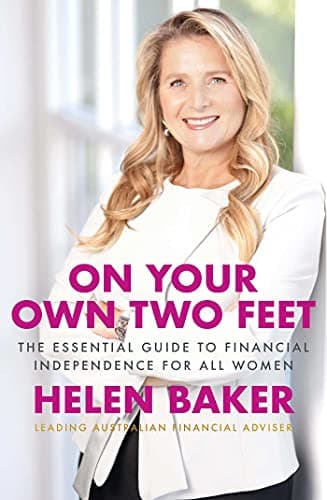
On Your Own Two Feet
An Aussie financial planner's essential guide to money independence for women, covering every life stage from single to separated. Warm, practical and genuinely on your side.
Some links above are affiliate links. If you buy through them, Snowball Invest may earn a small commission at no extra cost to you. We only recommend books we'd suggest anyway.
Sources
This article is general information only, not financial or legal advice. Entitlements depend on your specific award, agreement and circumstances, and the rules change. Confirm your situation with the Fair Work Ombudsman or a qualified workplace relations professional.
Was this article useful?
Put it to your own numbers
Every calculator runs entirely in your browser, with nothing stored. See what these numbers look like for your own situation.
Explore the calculators →General information only. This article is educational and does not constitute personal financial advice. It does not account for your circumstances. Consider your own situation and seek advice from a licensed adviser before acting. Read our full disclaimer.

Timothy Hirou Gaschereau
Founder of Snowball Invest, not a financial adviser.
I write about what I'm learning myself, because nobody ever taught us how to take control of our own money. It's a skill, not a mystery, and it's never too late to learn it. The best day to start was yesterday, the second best is today.
LinkedIn →Related articles

Minimum Wage in Australia: What You're Actually Entitled To
What is the minimum wage in Australia? A plain-English guide to current rates, awards, casual loading, and what to do if you are underpaid.

Long Service Leave in Australia: The Complete Guide
Long service leave in Australia varies by state. Find out how much you get, when you can access it, and how it's taxed. Check your entitlements.

Tax on Bonuses in Australia: Why Your Payslip Looks Brutal
Got a bonus and shocked by the tax? Learn why your payslip looks brutal, how withholding works in Australia, and how to get money back at tax time.