
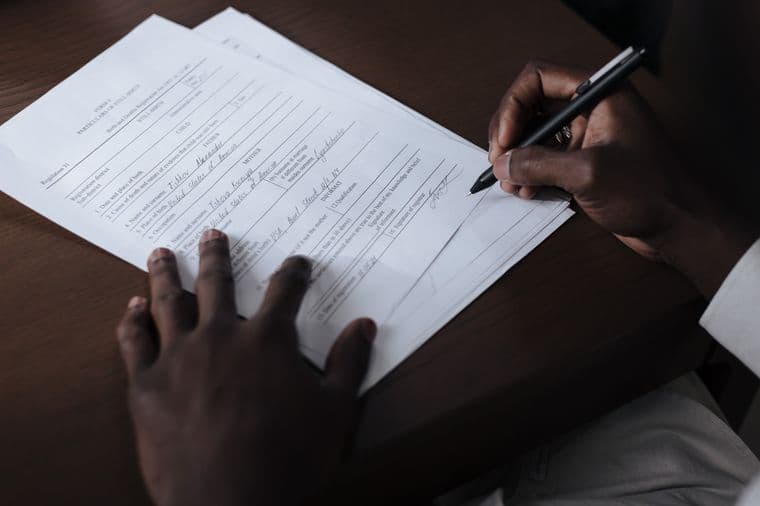
What Does an Executor of an Estate Do in Australia?
Named executor of a will in Australia? Here is exactly what you have to do, step by step, from locating the will to paying tax and distributing assets.
 By Timothy Hirou GaschereauPublished
 10 min read
Being named executor of a will in Australia is a real legal responsibility, not just a title. This is a calm, step-by-step guide to what you actually have to do, from locating the will to distributing assets to beneficiaries. It is part of our wider retirement and estate planning guides on Snowball Invest. General information only, not legal or tax advice. For your situation, speak to a solicitor or a registered tax agent.
Quick answer
Being an executor is a genuine legal responsibility. The job involves locating the will, securing assets, applying for probate if needed, notifying institutions, paying debts and tax, and finally distributing what remains to beneficiaries. It commonly takes many months, sometimes well over a year. You can get professional help at any stage, and if you genuinely cannot or do not want to do it, you can step back before you start.
In this guide
- →What an executor is and what the role really involves
- →The step-by-step duties, in the right order
- →How long it takes and why you should not rush
- →The personal liability risk and how to avoid it
- →How to say no, and the two tax returns to watch
🧑⚖️ What is an executor?
An executor is the person named in a will to carry out the deceased's final wishes and administer their estate. It is a legal role, not just an honour. Being named executor means you are personally responsible for making sure the right people get the right assets, that debts are paid, and that tax obligations are met.
🎯 The essential: Being an executor does not require a law degree. But it does require patience, organisation, and a willingness to ask for help when things get complicated. If no executor is named or the named executor will not act, the Supreme Court can appoint an administrator instead.
📋 Your executor of estate duties, step by step
Here is the core process. The exact steps and timing vary by state and territory, but this is the general shape of the job.
- 1. Locate the will and get the death certificate. Find the original will, and order multiple certified copies of the death certificate from the Registry of Births, Deaths and Marriages, because banks, super funds and other institutions each want their own.
- 2. Secure and value the assets. Contact banks to protect accounts, secure any property (change locks if needed, maintain insurance), get valuations, and identify superannuation accounts. Note that super usually sits outside the estate and is paid out by the fund according to its own rules, including any binding death benefit nomination.
- 3. Apply for a grant of probate if needed. Not every estate requires it. Small or simple estates with few assets in the sole name may not need it, and some institutions release funds without it below certain thresholds. When required, you apply to the Supreme Court in the relevant state.
- 4. Notify relevant institutions. Banks, super funds, share registries, the ATO, Centrelink or Services Australia, Medicare, insurers, the employer, and any subscriptions or memberships.
- 5. Pay the deceased's debts. Debts must be paid before beneficiaries receive a single cent. If you are not sure the estate is solvent, stop and get legal advice before doing anything else.
- 6. Lodge the tax returns. There are potentially two: a date-of-death return and an estate return (covered below).
- 7. Distribute assets to beneficiaries. Only once debts and tax are settled. Follow the will carefully, keep records of every transfer, and mind the family provision claim period in your state.
- 8. Keep records and finalise. Retain all documents, receipts and accounts for at least five years after the estate is finalised.
Be aware of the family provision claim period in your state. In some states, eligible people have a set period after death (or after probate is granted) to make a claim against the estate. Distributing before that window closes can expose you to personal liability if a claim succeeds later. Timeframes vary by state, so check with a solicitor.
Because the grant of probate sits in the middle of all this, it helps to know how long probate takes before you plan the rest of the timeline.
⏳ Realistic timeframes
There is no fixed legal deadline for finalising an estate in Australia, but the process almost never happens quickly.
| Estate type | Typical timeframe |
|---|---|
| Simple estate, few assets, no property | A handful of months |
| Estate with real estate, shares or a business | Well over a year |
| Probate stage alone | Weeks to months, depending on the registry |
| Disputed or contested will | Significantly longer |
Do not rush. Distributing too early creates real personal liability risk for you as executor. It is far better to take the time to do it properly.
⚠️ Personal liability: this is serious
This is the part most people do not realise when they agree to be an executor. You can be personally liable if you distribute estate assets before all debts and tax liabilities are settled. If the estate runs out of money to pay a creditor because you paid beneficiaries first, you may have to cover the shortfall from your own pocket.
If the estate appears insolvent (debts exceed assets), get legal advice immediately. Do not distribute anything. The rules around insolvent estates are complex and the consequences of getting it wrong are serious. Keep beneficiaries informed, but do not let pressure from them push you into distributing early. Your legal duty is to the estate, not to impatient relatives. For the creditor side of this, see what happens to debt when you die.
🙅 Can you say no? Renouncing or stepping back
Yes. You are not legally obliged to act as executor just because you are named in the will.
Before you start acting, you can formally renounce the role. The process varies by state and usually involves filing a renunciation document with the relevant Supreme Court. Do this promptly, before you take any steps to administer the estate. After you have started acting, stepping back is much more complicated. Once you have intermeddled with the estate (taken any steps to administer it), you generally cannot simply walk away without court approval.
Other options: you can appoint a solicitor to act on your behalf while you remain executor, or engage a state trustee or public trustee to take on the role, either alongside you or instead of you. State trustees exist in every state and territory. They charge fees, but they handle everything.
🆘 When to get a solicitor or state trustee involved
You do not need a solicitor for every estate. But you absolutely should get professional help when:
- The estate is large or complex.
- There is property in multiple states or territories.
- Beneficiaries are in dispute with each other.
- The will is being contested.
- The estate appears insolvent.
- You are unsure about any step in the process.
Getting advice early is almost always cheaper than fixing a mistake later.
🧾 Executor and tax: a quick note
Tax is one of the trickier parts of executor responsibilities, and it is easy to underestimate. The estate may need its own TFN, which you can apply for via the ATO using form NAT 3236, through the Australian Business Register, or through a registered tax agent.
The date-of-death tax return covers the deceased's income up to the day they died and uses the deceased's own TFN. If the estate earns income after death (from rental property, interest, dividends or a business), a separate estate tax return is required. The estate is treated as a trust for tax purposes, and different tax rates may apply depending on how long the estate has been open. A registered tax agent who handles deceased estates will save you time and reduce the risk of errors. If super is involved, the superannuation death benefit tax guide is worth a read too.
🗂️ Estate planning in Australia
The best gift to your own executor is a tidy estate. See what a complete plan looks like, from the will to super nominations.
SnowLetter
Australia's money news and our best reads, once a week.
❓ Frequently asked questions
Do executors get paid in Australia?
+
Not automatically. Executors are generally expected to act without payment unless the will specifically authorises a fee, the beneficiaries agree to pay commission, or a court approves remuneration. You are always entitled to be reimbursed for reasonable out-of-pocket expenses. If you believe your work warrants payment, speak to a solicitor about applying for executor's commission. The rules and any caps vary by state.
Can an executor also be a beneficiary?
+
Yes. Being a beneficiary does not disqualify you from acting as executor. Many wills name a spouse or adult child who is also a beneficiary. Just be aware that if you want to bring a family provision claim against the estate yourself, that creates a conflict of interest and you should get legal advice.
How long does an executor have to settle an estate in Australia?
+
There is no single fixed deadline that applies across all states. The process commonly takes many months to over a year. Complex estates, property sales, disputes or contested wills can extend this considerably. The key obligation is to act with reasonable diligence, not to rush.
What if the executor does not want to act?
+
You can renounce the role before you start acting, by filing a formal renunciation with the relevant Supreme Court. If no other executor is named or willing, the court can appoint an administrator. If you have already started acting, stepping back requires court approval and is more complex.
Can an executor be held personally liable?
+
Yes. If you distribute assets before paying debts and tax, and the estate cannot cover those liabilities, you can be personally liable for the shortfall. If the estate is insolvent, get legal advice before doing anything. Acting carefully and in the right order is your best protection.
Do I need a solicitor to be an executor?
+
Not always. Simple estates with few assets can sometimes be administered without legal help. But for anything involving real estate, multiple beneficiaries, tax complexity, disputes or an insolvent estate, a solicitor is strongly recommended. Getting advice early is almost always the right call.
📚 Recommended reading
The Barefoot Investor
Scott Pape

The Barefoot Investor
Australia's best-selling money book ever. A simple system for accounts, budgeting, debt and a real emergency fund in one.
Retirement Made Simple
Noel Whittaker

Retirement Made Simple
Australia's godfather of personal finance demystifies super, the pension and making your savings last. The plain-English retirement handbook every Aussie should read before they stop working.
The Psychology of Money
Morgan Housel
The Psychology of Money
19 short stories on how people actually think and feel about money, not just the maths of it.
Some links above are affiliate links. If you buy through them, Snowball Invest may earn a small commission at no extra cost to you. We only recommend books we'd suggest anyway.
Sources
Was this article useful?
Put it to your own numbers
Every calculator runs entirely in your browser, with nothing stored. See what these numbers look like for your own situation.
Explore the calculators →General information only. This article is educational and does not constitute personal financial advice. It does not account for your circumstances. Consider your own situation and seek advice from a licensed adviser before acting. Read our full disclaimer.

Timothy Hirou Gaschereau
Founder of Snowball Invest, not a financial adviser.
I write about what I'm learning myself, because nobody ever taught us how to take control of our own money. It's a skill, not a mystery, and it's never too late to learn it. The best day to start was yesterday, the second best is today.
LinkedIn →Related articles
How Long Does Probate Take in Australia?
Probate usually takes 4 to 8 weeks for the grant, then 6 to 12 months to administer the estate. Here is what to expect, and what tends to slow it down.

What Happens to Your Debts When You Die in Australia?
In Australia, debts do not pass to your family. They are paid from your estate first. Here is how it works, plus the HECS rule and when joint debts differ.

How to Transfer Property After Someone Dies in Australia
Transferring a house after someone dies in Australia? A step by step guide to probate, transmission applications, CGT, stamp duty and realistic timelines.