

Stamp Duty Concessions for First Home Buyers in Australia
Stamp duty concessions for first home buyers can save tens of thousands in Australia. See how each state works and check your eligibility.
 By Timothy Hirou GaschereauPublished
 12 min read
Stamp duty concessions for first home buyers are one of the most valuable upfront savings when you buy your first home in Australia. Depending on where you buy and what you pay, a concession or full exemption could save you anywhere from a few thousand dollars to well over $30,000.
The catch: these concessions are set by each state and territory, not the federal government, so the rules differ enormously and change regularly (several states have raised their first-home thresholds recently). Use this guide to understand how they work, then go straight to your state or territory revenue office for the current numbers. It is general information only, not advice.
🎯 The essential: Stamp duty is a large upfront STATE tax on buying property. Most states give first home buyers a full EXEMPTION below a price threshold and a partial CONCESSION above it, saving many buyers tens of thousands. Rules and thresholds vary a lot and change often (the ACT abolished it for eligible first buyers from 1 July 2026; the NT has little). A concession is NOT the First Home Owner Grant. It is not automatic: you apply through your conveyancer. Check your state revenue office.
What stamp duty is and why concessions matter
Stamp duty (transfer duty) is a tax charged by state and territory governments when you buy property, calculated as a percentage of the price and due at settlement. For most buyers it is one of the biggest upfront costs, often tens of thousands of dollars. The good news: most jurisdictions offer concessions (reduced duty) or full exemptions (no duty) for first home buyers, which can make a real difference to the cash you need.
Who qualifies for a concession
Eligibility varies, but most states share these core requirements:
- A genuine first home buyer: you (and usually your partner or any co-purchaser) have never owned residential property anywhere in Australia. If your partner owned before, that can affect eligibility even if you did not.
- Principal place of residence: you must move in within a set period (often 12 months) and live there for a minimum time. Investment purchases generally do not qualify.
- An individual (not a company or trust), meeting citizenship or residency rules.
- Under the price threshold: a full exemption below the cap, a partial concession up to a higher cutoff, full duty above. Some jurisdictions (notably the ACT) have used an income test.
State by state: how the concessions differ
Rules change regularly, so treat the table as structure only and verify with the revenue office before you sign a contract.
| State / Territory | Concession? | General structure |
|---|---|---|
| NSW | Yes | Full exemption below a threshold; partial concession above; separate land thresholds |
| VIC | Yes | Full exemption below a threshold; partial concession to a higher ceiling |
| QLD | Yes | Concession for established homes; expanded concessions for new builds from May 2025 |
| SA | Partial | Full relief for new homes, off-the-plan and vacant land; generally none for established |
| WA | Yes | Concessional First Home Owner Rate below a threshold; metro and regional differ |
| TAS | Check | A temporary established-home exemption ended 30 June 2026; check current rules |
| ACT | Yes | Stamp duty abolished for eligible first buyers from 1 July 2026, no price cap |
| NT | Limited | No general concession for established homes; House and Land Package Exemption for eligible new builds |
New homes vs established homes vs vacant land
Not all properties are treated the same: several states are more generous for new builds, off-the-plan purchases and vacant land than for established homes. For example, SA offers full relief for new homes and vacant land but not established homes; QLD expanded concessions for new-home contracts from May 2025; NSW has separate (lower) thresholds for vacant land; and off-the-plan concessions exist in some states. The type of property you buy can completely change your eligibility and saving, so check the specific rules for your situation.
Concession vs the First Home Owner Grant
A stamp duty concession/exemption REDUCES a tax you owe at settlement. The First Home Owner Grant (FHOG) is a separate CASH payment from the state, generally only for new or substantially renovated homes, historically in the $10,000 to $30,000 range. You may be eligible for one, both, or neither: they are assessed separately.
Some jurisdictions are also experimenting with replacing upfront stamp duty with an annual property tax (the ACT is the most prominent example), so if your state has announced reform, check the current rules carefully.
How to claim your concession
The concession is not automatic: apply for it or you will be charged full duty. In practice: tell your conveyancer or solicitor early (as soon as you have a signed contract), they lodge the relevant form with the state revenue office at settlement, and you provide proof of identity, the contract of sale, and a statutory declaration confirming your eligibility. There are deadlines, so raise it at your first conveyancer meeting. While you are at it, line up your finance with our home loan comparison guide.
SnowLetter
Australia's money news and our best reads, once a week.
❓ Frequently asked questions
Do first home buyers pay stamp duty in Australia?
+
It depends on the state or territory and the price. Most jurisdictions offer a full exemption below a threshold and a partial concession above it. The ACT abolished stamp duty for eligible first home buyers from 1 July 2026. The NT has generally no concession for established homes. Check your state or territory revenue office for the rules that apply to you.
How much can a stamp duty concession save?
+
It varies a lot. In states with a full exemption, a first home buyer purchasing near the threshold could save anywhere from around $15,000 to over $30,000 compared to a non-first-home buyer. The exact saving depends on the price, the state, and whether you get a full exemption or a partial concession. Use your state revenue office's calculator for an estimate.
Am I a first home buyer if my partner owned property before?
+
In most states and territories, no. If any co-purchaser has previously owned residential property in Australia, the purchase generally does not qualify for the first home buyer concession, even if you personally have not owned before. Nuances vary, so check with your state revenue office or conveyancer.
Is a stamp duty concession the same as the First Home Owner Grant?
+
No, two separate things. A stamp duty concession or exemption reduces the transfer duty you owe at settlement. The First Home Owner Grant (FHOG) is a cash payment from the state or territory, generally only for new or substantially renovated homes. You may be eligible for one, both, or neither.
Do I get a concession on an established home?
+
It depends on the state. NSW, VIC, QLD, WA and TAS have (at various times and conditions) offered concessions on established homes. SA generally does not for established homes, focusing relief on new builds and vacant land. The NT has no general concession for established homes. Check your state revenue office.
How do I claim the first home buyer stamp duty concession?
+
It is not automatic. Tell your conveyancer or solicitor early that you intend to claim it; they lodge the relevant form with your state revenue office at settlement. You will need proof of identity, the contract of sale, and a statutory declaration confirming eligibility. There are deadlines, so do not leave it to the last minute.
Keep reading
📚 Recommended reading
The Barefoot Investor
Scott Pape

The Barefoot Investor
Australia's best-selling money book ever. A simple system for accounts, budgeting, debt and a real emergency fund in one.
Making Money Made Simple
Noel Whittaker

Making Money Made Simple
Australia's classic, comprehensive money guide covering tax, super and investing, updated for today.
On Your Own Two Feet
Helen Baker
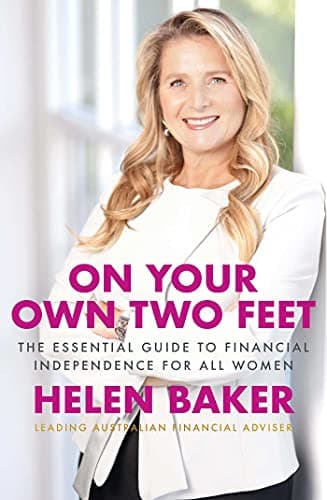
On Your Own Two Feet
An Aussie financial planner's essential guide to money independence for women, covering every life stage from single to separated. Warm, practical and genuinely on your side.
Some links above are affiliate links. If you buy through them, Snowball Invest may earn a small commission at no extra cost to you. We only recommend books we'd suggest anyway.
Sources
This article is general information only, not financial, legal or tax advice. Stamp duty rules, thresholds and eligibility change regularly and differ by state and territory. Always check your state or territory revenue office and a qualified conveyancer before making property decisions.
Was this article useful?
Put it to your own numbers
Every calculator runs entirely in your browser, with nothing stored. See what these numbers look like for your own situation.
Explore the calculators →General information only. This article is educational and does not constitute personal financial advice. It does not account for your circumstances. Consider your own situation and seek advice from a licensed adviser before acting. Read our full disclaimer.

Timothy Hirou Gaschereau
Founder of Snowball Invest, not a financial adviser.
I write about what I'm learning myself, because nobody ever taught us how to take control of our own money. It's a skill, not a mystery, and it's never too late to learn it. The best day to start was yesterday, the second best is today.
LinkedIn →Related articles

Stamp Duty Australia: The Complete State-by-State Guide
How stamp duty (transfer duty) works across every Australian state and territory: rates, first home buyer exemptions, a worked example, and upfront cost tips.

First Home Owners Grant SA: What You Get and How to Claim
The SA First Home Owner Grant is $15,000 with no property value cap on new homes. Eligibility, the stamp duty abolition, and how to apply for 2025-26.

First Home Owners Grant WA: What You Get and How to Claim
The WA First Home Owner Grant is $10,000 for a new home. Eligibility, the 26th parallel value caps, the stamp duty concession, and how to apply for 2025-26.