

How to Invest in Commercial Property in Australia
How to invest in commercial property in Australia: A-REITs, unlisted trusts and direct ownership, the yields, the lease and WALE, the risks, and the GST and SMSF rules.
 By Timothy Hirou GaschereauPublished
 12 min read
Commercial property is one of the most misunderstood asset classes in Australia, mostly because people compare it to residential and expect it to behave the same way. It does not. When you invest in commercial property, the building is almost a container: what you are really buying is a lease, a contractual income stream backed by a tenant.
Here is how to invest in commercial property in Australia, from the easy way to the hands-on way, and what actually drives the returns.
🎯 The essential: Commercial property means real estate used for business: office, retail, industrial/logistics, and specialised assets. You can get exposure from the price of one ASX unit via A-REITs, up to direct ownership needing hundreds of thousands in deposit. Gross yields are typically 5 to 8%+ (vs 3 to 4% residential), but vacancies are longer and more expensive, and the lease and tenant quality matter far more than the building. For most people a diversified A-REIT or unlisted trust is the sensible starting point. This is general information, not personal advice, and property values can fall.
What commercial property investment is
Commercial property is real estate used for business, and the main sectors are:
- Office: CBD towers and suburban parks, reshaped by work-from-home.
- Retail: shopping centres and strip shops, disrupted by e-commerce.
- Industrial and logistics: warehouses and distribution centres, the standout performer of recent years.
- Specialised: healthcare, childcare, service stations, data centres, often with long leases.
It differs from residential in ways that matter: tenants are businesses, leases run 3 to 10 years (sometimes much longer), and under a net lease the tenant pays the outgoings (rates, insurance, maintenance) directly, while a gross lease bundles them into a higher rent. Yields are higher, but a vacancy costs months or years of income, not a few weeks.
The ways to invest, easiest to hardest
| Method | Capital | Liquidity | Who it suits |
|---|---|---|---|
| Listed A-REITs (ASX) | Price of 1 unit | High, sell any trading day | Beginners wanting cheap, liquid, diversified exposure |
| Unlisted trusts / syndicates | $10,000 to $50,000+ | Low, locked 5 to 10 years | Investors comfortable with illiquidity for higher yield |
| Fractional platforms | $100 to $1,000+ | Variable | Beginners wanting direct exposure with low capital |
| Direct ownership | $200,000 to $500,000+ deposit | Very low, months to sell | Experienced or high-net-worth investors, business owners |
A-REITs (like the big listed property groups on the ASX) pool capital across hundreds of assets and trade like shares, which is why they are the most accessible option. If REITs are new to you, start with what a REIT is and how to invest in REITs.
Buying commercial property directly
If you are considering buying outright, know the numbers before you talk to agents:
- Bigger deposits: commercial loans often need 30 to 40% deposit (a 60 to 70% LVR), versus up to 80 to 95% for residential.
- Higher interest rates, typically 1 to 2 percentage points above residential mortgages.
- Shorter loan terms, often 10 to 15 years, so higher repayments relative to the balance.
- Lenders assess the lease and tenant: a strong national tenant on a long lease reassures the bank; a vacancy or a short lease to a small local business does the opposite.
Add stamp duty, more complex legal fees, inspections, and potentially GST (below).
What a commercial yield actually looks like
Numbers make it real. An $800,000 suburban warehouse on a net lease paying $56,000 rent:
That thin buffer is the whole point: commercial property rewards you with a higher yield precisely because a vacancy is so costly. If the tenant leaves, income drops to zero while interest, rates, insurance and management fees keep running. The lease and the tenant are everything.
The lease is the real asset (and WALE)
When you evaluate any commercial investment, direct or via a fund, four things drive value: the lease length, the rent review mechanism (fixed increases like 3% a year, CPI-linked, or market review), the tenant quality (a national retailer or ASX-listed company is gold; a small local business on a short lease is not), and who pays the outgoings.
The number that captures it is WALE (Weighted Average Lease Expiry), the average time until leases expire weighted by income. A high WALE means strong income security; a low WALE means re-leasing risk, and possibly vacancy or incentive costs, is approaching. It is one of the most important figures on the page.
The risks
- Longer vacancies: a commercial property can sit empty for months or years while you cover every cost, sometimes needing incentives (rent-free periods, fit-out contributions) to attract the next tenant.
- Economic sensitivity: more exposed to the cycle than residential, with office and retail facing structural shifts, not just cyclical dips.
- Tenant default: if the business fails you lose income and face re-leasing costs.
- Concentration risk: one property means one tenant, one sector, one location. A-REITs and funds spread this across many assets.
- Liquidity risk: selling takes months, longer in a soft market.
GST and tax on commercial property
This is where commercial gets more complex than residential, so get proper advice for your situation:
- GST: commercial transactions can involve GST at 10% (residential is generally input-taxed). A sale as a going concern (tenant in place, enterprise continuing) can be GST-free where both parties are GST-registered and agree in writing. Rental income over $75,000 a year means you must register for GST, and can then generally claim GST credits.
- Income tax: rent is assessable, and expenses (interest, management, repairs, depreciation) are generally deductible. Normal negative or positive gearing applies, similar to a residential rental. See negative gearing and property tax deductions.
- CGT: applies on sale, with the 50% discount for individuals and trusts holding over 12 months (not companies).
- SMSF: you can hold business real property in an SMSF and lease it to your own business at arm's length market rent, a popular strategy for business owners. The rules are strict, so get specialist advice.
Frequently asked questions
What is the minimum needed to invest in commercial property in Australia?
+
It depends on the method. Via listed A-REITs on the ASX the minimum is the price of one unit, sometimes under $50. Unlisted trusts and syndicates typically start at $10,000 to $50,000+, fractional platforms from $100 to $1,000+, and direct ownership usually needs a deposit of $200,000 to $500,000+.
Is commercial property a good investment in Australia?
+
It can be, but it is not for everyone. It offers higher yields and longer leases than residential, but with higher vacancy risk, more complexity, and greater economic sensitivity. Industrial and logistics have performed strongly while office and retail have faced headwinds, so sector, lease and tenant quality are the key variables. For most people, A-REITs are the simplest diversified entry point.
How does commercial property differ from residential investment?
+
Tenants are businesses not individuals, leases are much longer (typically 3 to 10 years), under a net lease tenants pay the outgoings, gross yields are higher (about 5 to 8%+ vs 3 to 4%), commercial loans need larger deposits (often 30 to 40%), and vacancies are more expensive and last longer. Values are driven by the income stream, not emotional buyer demand.
Can I hold commercial property in my SMSF?
+
Yes, subject to strict rules. It must be business real property (used wholly and exclusively in a business), meet the sole purpose test, and be dealt with at arm's length. Unlike residential property, business real property can be leased to a related party, including your own business, at market rent. Specialist SMSF advice is essential.
What is WALE and why does it matter?
+
WALE is the Weighted Average Lease Expiry, the average time until leases expire weighted by income. A high WALE (say 6 years or more) means strong near-term income security; a low WALE (say 1.5 years) means significant re-leasing risk is approaching, which can mean vacancies or incentive costs. Always check it when evaluating a property or fund.
Do I pay GST when buying commercial property?
+
Commercial property transactions can involve GST at 10%, unlike residential. But if the property is sold as a going concern (with a tenant in place and the leasing enterprise continuing), the sale may be GST-free where both parties are registered for GST and agree in writing in the contract. You must register for GST if your commercial rental income exceeds $75,000 a year. Get specific tax advice.
What are the main risks?
+
Long and expensive vacancies, economic sensitivity, tenant default, sector shifts (e-commerce hurting retail, remote work hurting office), concentration risk for direct owners of a single asset, and liquidity risk since selling takes months. These are manageable, but must be understood before you invest.
Books worth reading
📚 Recommended reading
The Barefoot Investor
Scott Pape

The Barefoot Investor
Australia's best-selling money book ever. A simple system for accounts, budgeting, debt and a real emergency fund in one.
The Armchair Guide to Property Investing
Ben Kingsley & Bryce Holdaway
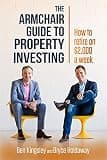
The Armchair Guide to Property Investing
Two of Australia's most trusted property voices lay out a plain-English roadmap to building a portfolio on an average income. Practical, local, and refreshingly free of get-rich-quick hype.
The Intelligent Investor
Benjamin Graham
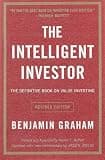
The Intelligent Investor
The value-investing bible Warren Buffett calls the best book on investing ever written. It is old-school and US-flavoured, so read it for the timeless mindset on risk and 'Mr Market', not the specific stock tips.
Some links above are affiliate links. If you buy through them, Snowball Invest may earn a small commission at no extra cost to you. We only recommend books we'd suggest anyway.
Sources
- ATO, GST and commercial property
- ATO, business real property in an SMSF
- ASIC Moneysmart, property investment
- ASX, A-REIT investor education
General information only, not personal financial advice. It does not take your circumstances into account, and property values and yields can fall. Read the relevant disclosure documents and consider a licensed financial adviser and registered tax agent before acting.
Was this article useful?
Put it to your own numbers
Every calculator runs entirely in your browser, with nothing stored. See what these numbers look like for your own situation.
Explore the calculators →General information only. This article is educational and does not constitute personal financial advice. It does not account for your circumstances. Consider your own situation and seek advice from a licensed adviser before acting. Read our full disclaimer.

Timothy Hirou Gaschereau
Founder of Snowball Invest, not a financial adviser.
I write about what I'm learning myself, because nobody ever taught us how to take control of our own money. It's a skill, not a mystery, and it's never too late to learn it. The best day to start was yesterday, the second best is today.
LinkedIn →Related articles

VAP ETF Australia: Vanguard's A-REIT Property ETF Guide
VAP is Vanguard's Australian property (A-REIT) ETF. What it holds, the Goodman Group concentration, interest-rate risk, tax, and how it compares to buying property.

The Rule of 72: How Long Until Your Money Doubles
Divide 72 by your return and you get the years until your money doubles. Worked Australian examples for super, ETFs, savings accounts and fees.

Dividend Reinvestment Plans (DRP): Should You Use One?
A DRP automatically reinvests your dividends into more shares. Here's how it works in Australia, the tax traps to know, and whether it suits you.